Off-Road Parks · Kentucky
Off-Road Parks in Kentucky
Ride 31 parks across Kentucky. Maps, hours, contact info, photos, and verified operator profiles, all in one place.
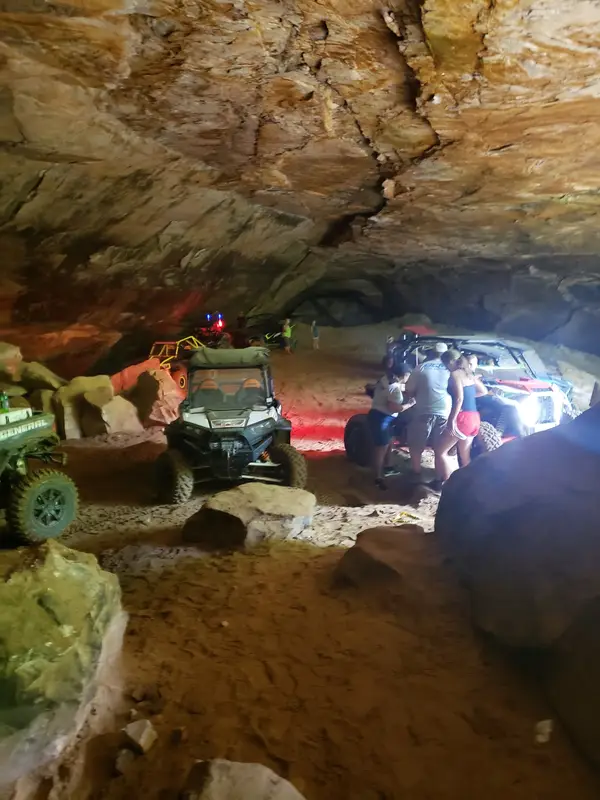
Cave country, the Cumberland Plateau, and the longest cave system on Earth.
About Kentucky
Best time to go
When to ride in Kentucky
April through November.
- March–May and September–November: the most comfortable riding
- Trails can be slick and rutted after heavy rain
- Summer: start early to beat heat and humidity
31 on the map
Tap a pin to open its profile.
Quick facts
- Trails mapped
- 482
- Parks listed
- 31
- Best season
- April through November
All listings
31 parks
across Kentucky

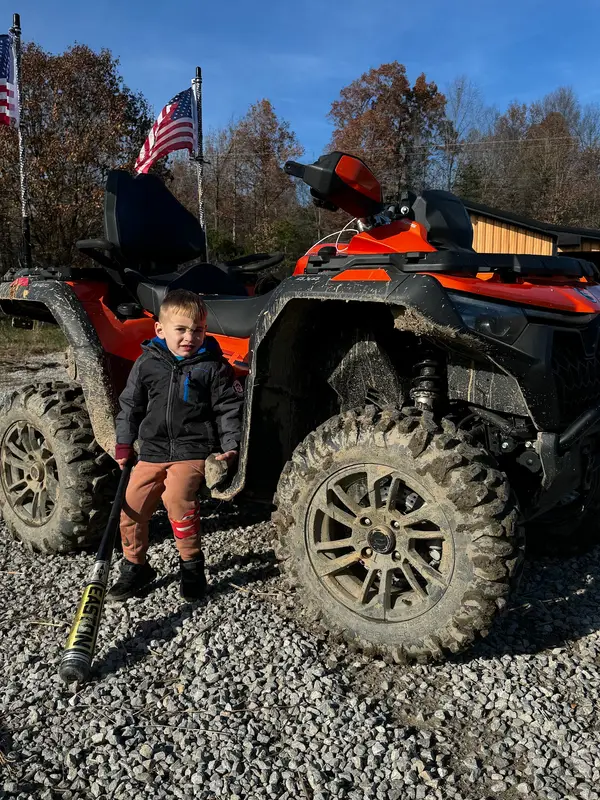

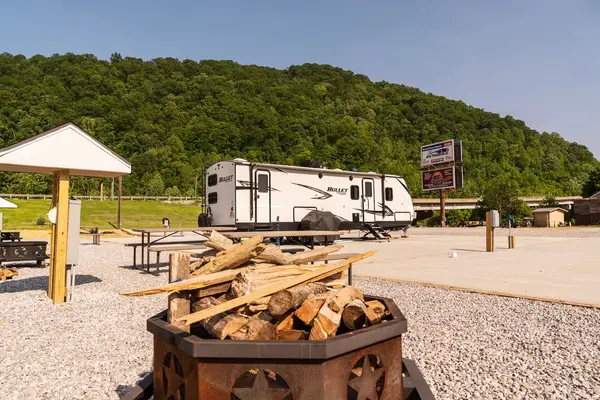
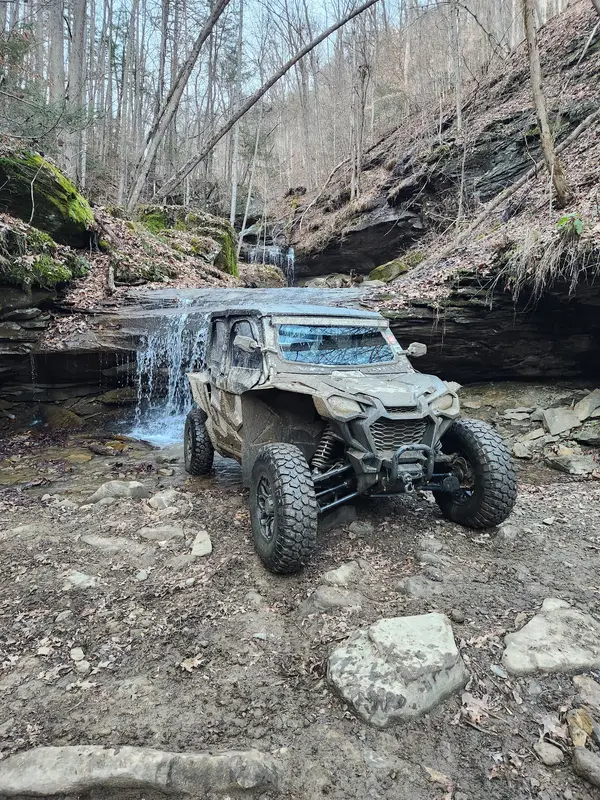
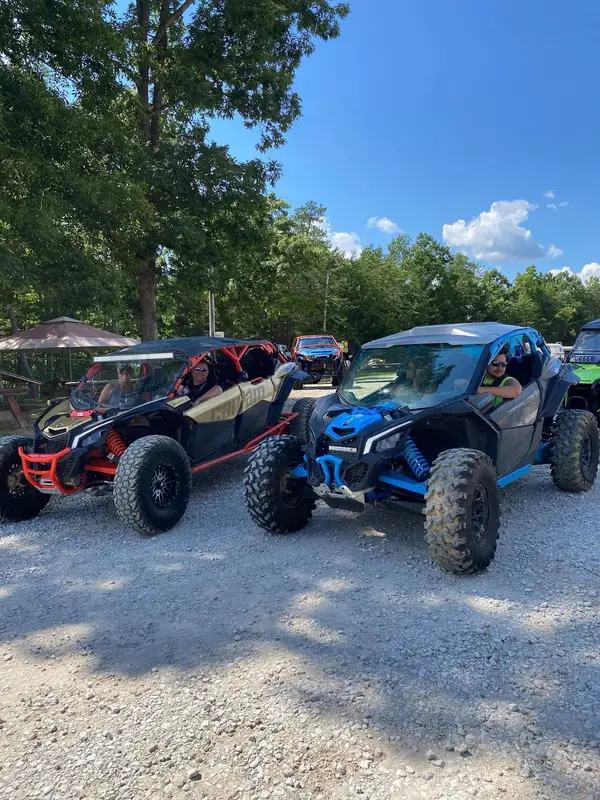
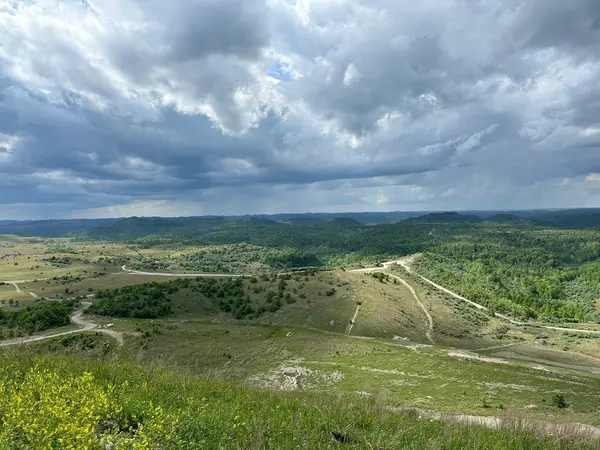
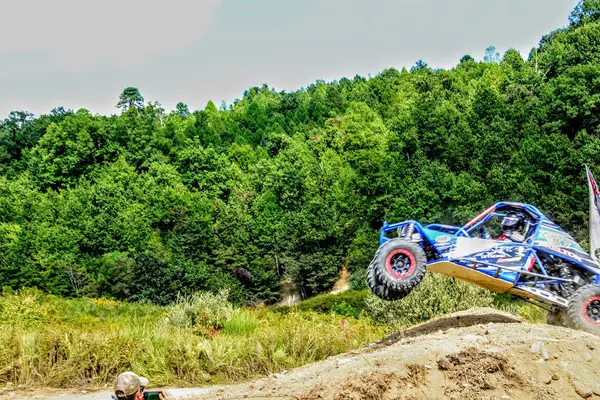


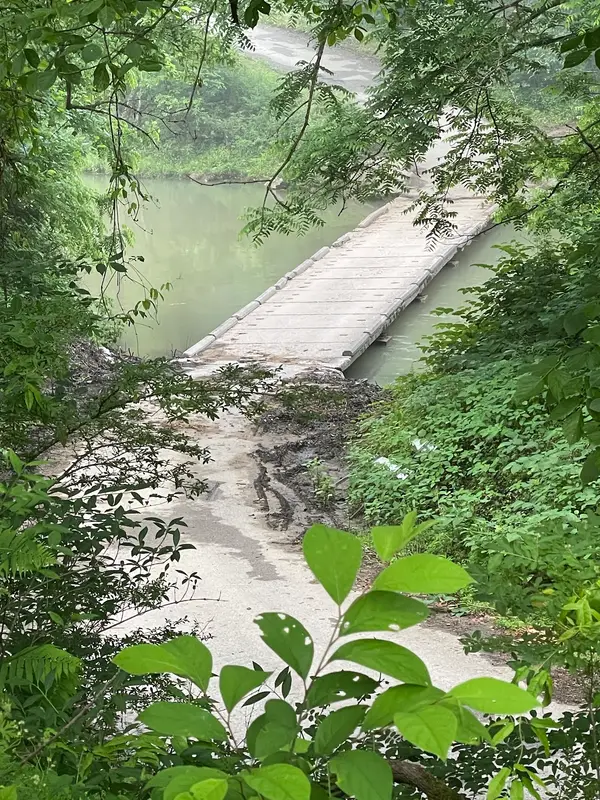
Plan your trip
Plan your trip to Kentucky
OHV Registration and Trail Passes
While Kentucky does not have a statewide OHV registration for trail use, most organized off-road parks and trail systems, whether public or private, require a specific day pass or annual permit. Always verify the pass requirements of your chosen destination before arriving.
Public vs. Private Land Access
Off-road riding in Kentucky occurs on a mix of private, state, and federal lands. Private parks typically have their own rules and fees. Public lands like the Daniel Boone National Forest have designated OHV trails with specific regulations regarding vehicle types and operating hours. Do not trespass on unmarked private property.
Sound and Spark Arrestor Rules
Most off-road parks and public lands in Kentucky require OHVs to be equipped with a U.S. Forest Service-approved spark arrestor. Many also enforce sound limits to minimize noise pollution, so ensure your exhaust system complies with local park regulations.
Terrain Variety
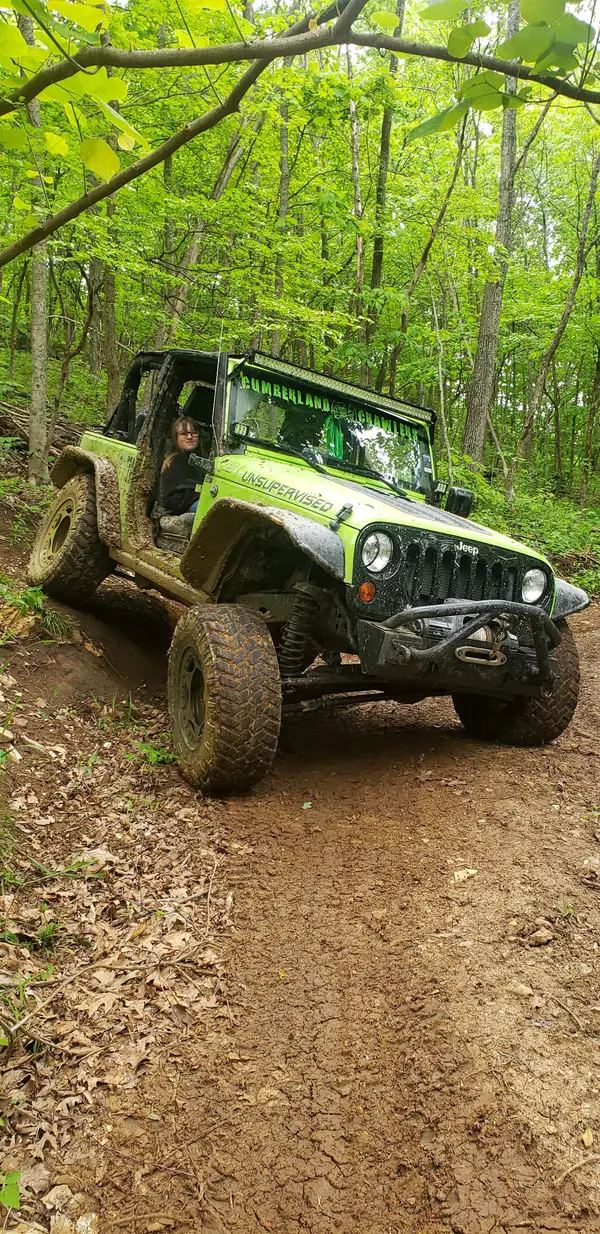
Kentucky's off-road terrain is predominantly dirt, mud, and moderate rock sections, particularly in the eastern Appalachian regions. Expect challenging climbs and descents. While sand is rare, some gravel roads connect trail segments. Prepare your vehicle and skills for varied conditions.
Seasonal Trail Closures
Trails may experience seasonal closures due to weather conditions such as heavy snow, prolonged rain leading to excessive mud, or for wildlife management and hunting seasons. Always check with the specific park or land manager for current trail status before planning your trip.
Confirm current requirements with the state agency before your trip. Rules and fees change every season.
OHV Titling
All ATVs and UTVs operated in Kentucky must be titled through the county clerk's office. This is distinct from registration for road use, as OHVs are generally prohibited on public roads. Verify specific requirements with the state agency.
Age and Supervision Requirements
Operators under the age of 16 are generally prohibited from operating an ATV on public lands unless under the direct supervision of a parent or guardian and operating an age-appropriate vehicle. Specific parks may have additional age restrictions or require rider education courses for minors.
Helmet and Safety Gear
Kentucky law requires approved headgear for any ATV operator or passenger under 16 at all times, and for operators 16 and older whenever they ride on public property (farm, commercial, and private-property use are exempt). Eye protection is also highly recommended. Some parks may extend this requirement to UTV occupants, so always check park-specific rules.
Spark Arrestor Requirement
Any off-road vehicle operating on public lands, including designated OHV trails within the Daniel Boone National Forest or state parks, must be equipped with a U.S. Forest Service-approved spark arrestor to prevent wildfires. Most private parks also enforce this rule.
- 01
1. Research and Select Your Destination
Match the destination to your machine and your nerve. The Black Mountain Off-Road Adventure Area and the Daniel Boone National Forest trails are the well-known starting points; both reward doing your homework on difficulty before you commit.
- 02
2. Verify Permits and Regulations
Hit the park's official website or call before you go. Permit requirements, operating hours, vehicle restrictions, and house rules all vary by system, and finding out at the gate is the expensive way to learn.
- 03
3. Prepare Your Vehicle and Gear
Spark arrestor fitted, tires matched to the terrain, machine mechanically sound. Helmets and eye protection for everyone aboard, plus a basic first-aid kit, Kentucky hills are unforgiving of shortcuts.
- 04
4. Plan Your Route and Pack Essentials
Study the trail map, flag the hard sections and the views, and pack like you might get stuck, because in this state, eventually you will. Water, snacks, a communication device, and recovery basics: winch, tow strap, shovel.
- 05
5. Inform Someone of Your Plans
Route, return time, emergency contact, leave all three with someone staying home. Cell coverage in the hollows is spotty at best, and that one text message is the backstop for everything else on this list.
01How many off-road parks are in Kentucky?
02Are helmets required for off-road riding in Kentucky?
03Do I need a special license or permit to ride off-road in Kentucky?
04What kind of terrain can I expect on Kentucky's off-road trails?
05Can I ride my OHV on public roads in Kentucky?
06Are spark arrestors mandatory for OHVs in Kentucky?
07What is the best time of year to go off-roading in Kentucky?
Free tools
Your free outdoor toolkit

Everything Map
Listings, trails, spots, clubs and public land on a single full-screen map. Switch layers on and off, then tap any point for the details.
Open Everything MapTrail Explorer
Browse a community map of named trails with distance, difficulty, and where each one starts.
Open Trail ExplorerRoute Planner
Drop stops on a map and watch distance and drive time add up. Export a GPX or share the link.
Open Route PlannerOff-Road Clubs
Browse local clubs with meeting info and how to join, or start your own for free.
Open Off-Road ClubsGear Checklists
Printable, save-as-you-go packing lists. Tick items off and pull them up on your phone.
Open Gear ChecklistsMaintenance Schedules
Pick your equipment and get its full service schedule. Add your usage to turn intervals into dates.
Open Maintenance Schedules


Keep exploring