Off-Road Parks · Washington
Off-Road Parks in Washington
Ride 28 parks across Washington. Maps, hours, contact info, photos, and verified operator profiles, all in one place.
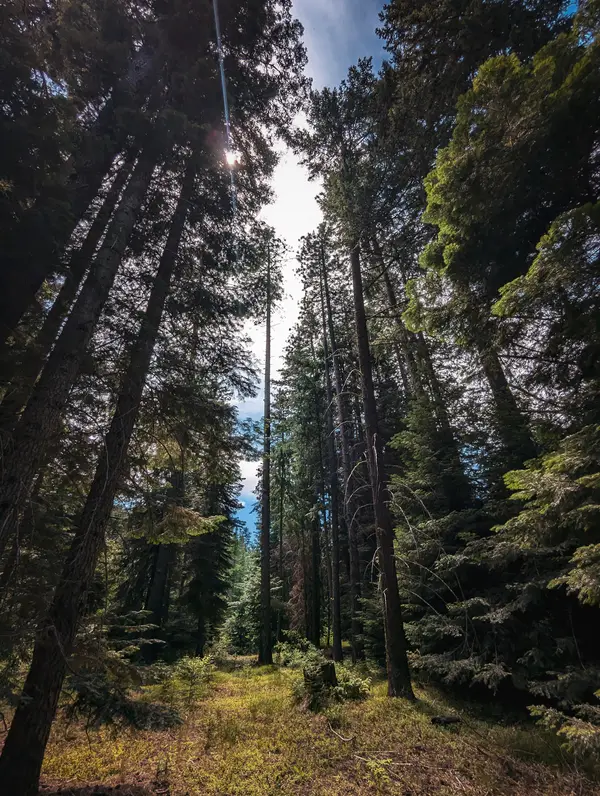
North Cascades, the Olympics, and 3,000 miles of saltwater coastline.
About Washington
Best time to go
When to ride in Washington
June through October.
- June–October: the driest, firmest riding
- Winter rain makes forest trails muddy, but coastal dunes still ride
- Check fire-season restrictions in late summer
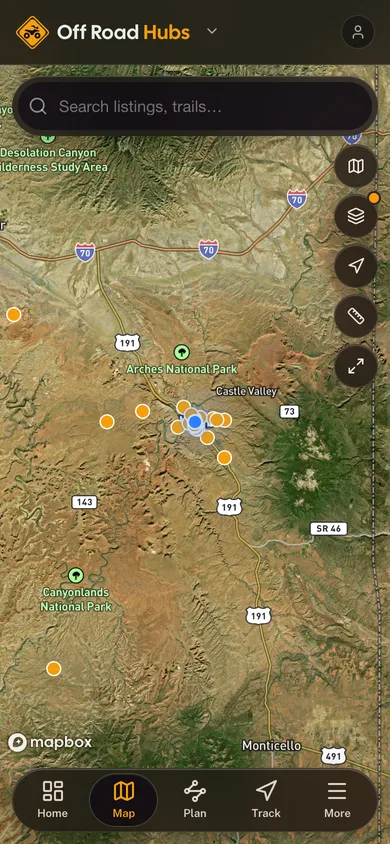
28 on the map
Tap a pin to open its profile.
Quick facts
- Trails mapped
- 511
- Parks listed
- 28
- Best season
- June through October
All listings
28 parks
across Washington
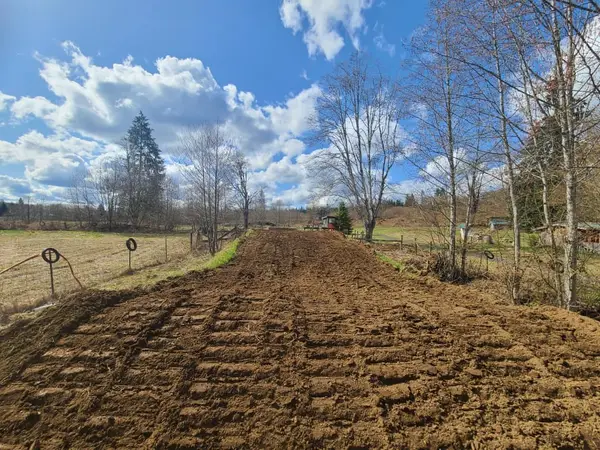
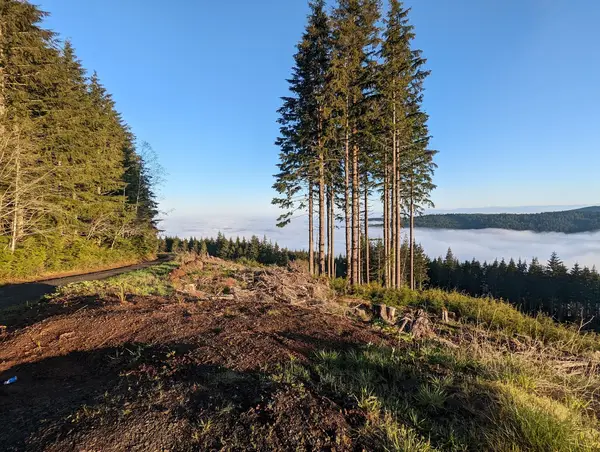
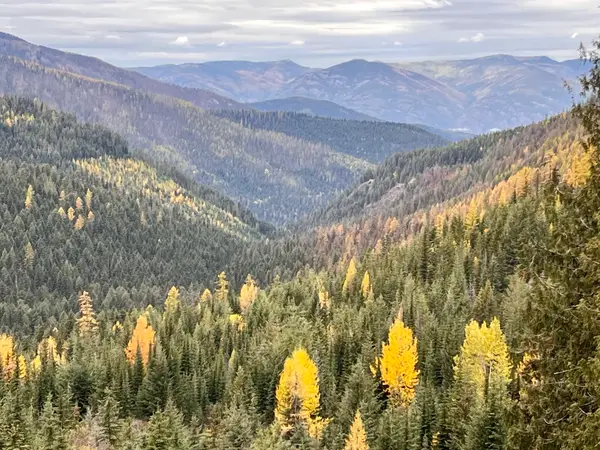
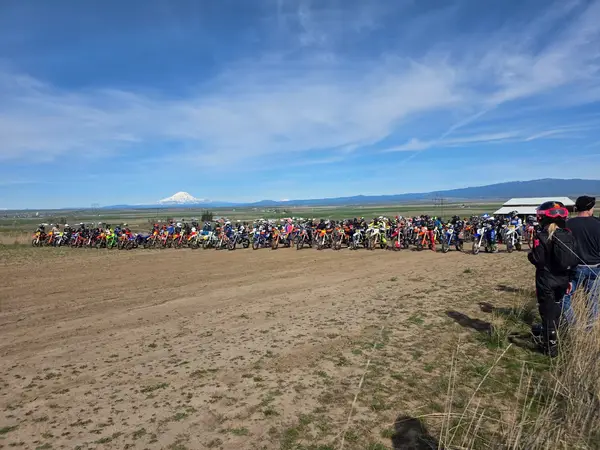




Plan your trip
Plan your trip to Washington
OHV Registration and Permits
All off-road vehicles (OHVs) operating on non-street legal trails in Washington must be registered and display a valid Off-Road Vehicle Use Permit (OHV tab). This applies to ATVs, UTVs, dirt bikes, and 4x4 vehicles. Street-legal vehicles may also require an ORV tag if operating off designated roads.
Sound and Spark Arrestor Rules
Washington state enforces strict sound limits for OHVs to minimize noise pollution. All OHVs must be equipped with a U.S. Forest Service (USFS) approved spark arrestor in good working condition to prevent wildfires, especially crucial during dry seasons.
Public vs. Private Land Access
Most OHV riding occurs on designated trails within lands managed by the Washington State Department of Natural Resources (DNR) or the U.S. Forest Service (USFS). It is illegal to ride on private land without explicit permission from the landowner or on non-designated public lands.
Seasonal Trail Closures
Trails are frequently subject to seasonal closures due to snowpack at higher elevations, excessive mud during wet periods, or fire danger during hot, dry summers. Always check current trail status and restrictions with the managing agency (DNR, USFS) before heading out.
Terrain Variety and Preparation
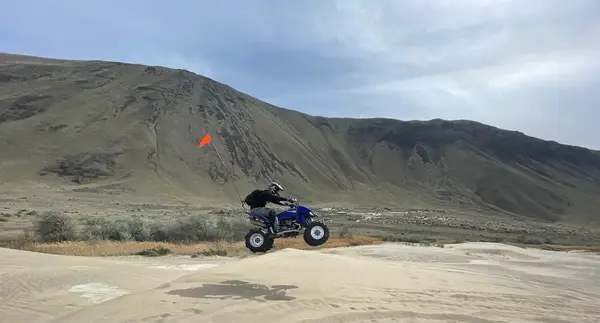
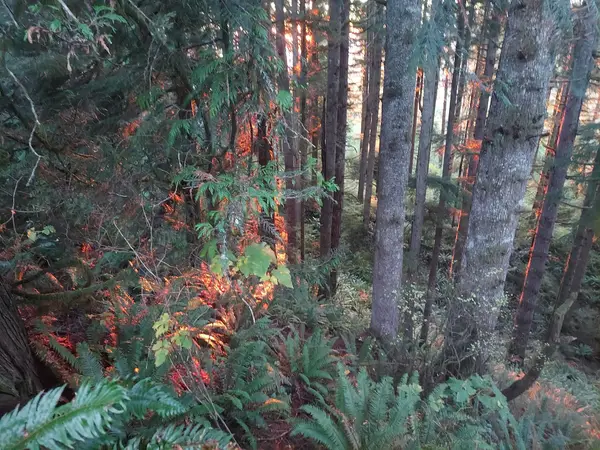
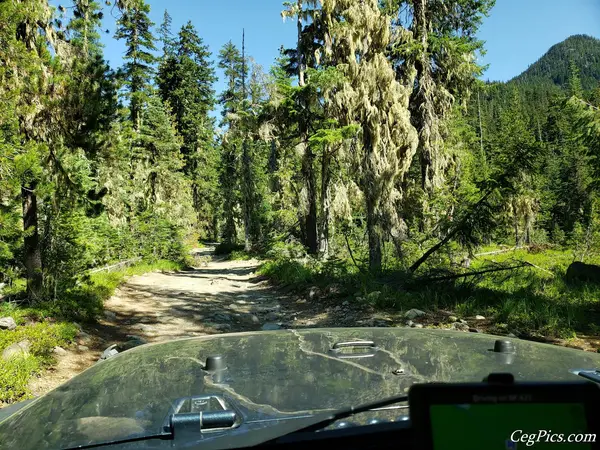
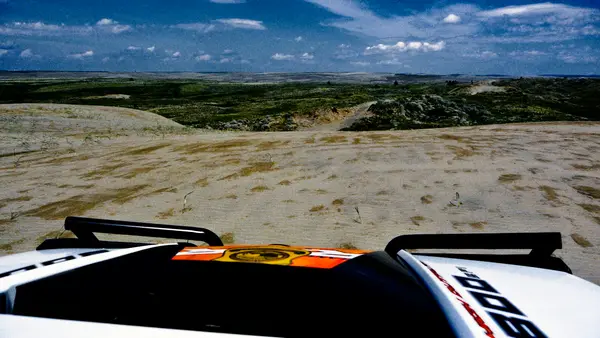
Washington's diverse terrain includes everything from sandy dunes and arid desert washes in the east to rocky mountain passes and dense, root-filled forest trails in the west. Riders should prepare their vehicles and skills for the specific type of terrain they plan to encounter.
Confirm current requirements with the state agency before your trip. Rules and fees change every season.
OHV Registration
All non-street legal off-road vehicles (ATVs, UTVs, dirt bikes, and certain 4x4s) operating on public lands or designated OHV trails in Washington must be registered annually. This involves purchasing an Off-Road Vehicle Use Permit (OHV tab) from the Department of Licensing.
Spark Arrestor Requirement
All off-road vehicles must be equipped with a U.S. Forest Service (USFS) approved spark arrestor that is in good working order. This is a critical safety measure to prevent wildfires, particularly during the state's dry summer and fall months.
Sound Level Limits
Washington sets a single sound limit for off-road vehicles, no more than 105 decibels measured 20 inches from the exhaust outlet (or 86 decibels at 50 feet under the SAE J331a test). The limit does not vary by year of manufacture; verify current standards with the state agency.
Youth Rider Safety
Washington requires a motorcycle helmet for every operator and passenger of an off-road vehicle regardless of age, the main exception is a machine with seat belts and roll bars or an enclosed cab (most UTVs). Washington's youth rule is a supervision rule, not an engine-size rule: no one under 16 may operate an off-road vehicle on a nonhighway road or a signed crossing without the direct supervision of a licensed adult 18 or older.
- 01
1. Research Your Destination
Match the region to your machine and your skill: desert dunes, mountain passes, and rainforest mud ride nothing alike. Washington State Parks, DNR, and USFS all publish trail maps and area details.
- 02
2. Secure Required Permits and Registration
Get a current Washington OHV Use Permit (the tab) on the machine, confirm it meets sound and spark arrestor rules, and carry proof of registration. Checkpoints happen.
- 03
3. Check Trail Conditions and Regulations
Verify trail status right before you go: snow, mud, and fire closures come and go quickly, especially in the mountains, and every area carries its own local rules.
- 04
4. Prepare Your Vehicle and Gear
Run a pre-ride inspection, then load helmets, eye protection, gloves, recovery gear, first aid, water, and navigation. Much of this state's best riding is a long way from a tow truck.
- 05
5. Plan Your Route and Inform Others
Read the maps, be honest about trail difficulty, and leave your route and return time with someone who will notice if you're late. Cell coverage disappears fast in the backcountry.
01How many off-road parks are in Washington?
02Are helmets required for off-road riding in Washington?
03What are the age restrictions for operating OHVs in Washington?
04Do I need a special license to ride an OHV in Washington?
05Where can I find maps of OHV trails in Washington?
06Are there any noise restrictions for OHVs in Washington?
07What should I know about fire restrictions when riding off-road?
Free tools
Your free outdoor toolkit

Everything Map
Listings, trails, spots, clubs and public land on a single full-screen map. Switch layers on and off, then tap any point for the details.
Open Everything MapTrail Explorer
Browse a community map of named trails with distance, difficulty, and where each one starts.
Open Trail ExplorerRoute Planner
Drop stops on a map and watch distance and drive time add up. Export a GPX or share the link.
Open Route PlannerOff-Road Clubs
Browse local clubs with meeting info and how to join, or start your own for free.
Open Off-Road ClubsGear Checklists
Printable, save-as-you-go packing lists. Tick items off and pull them up on your phone.
Open Gear ChecklistsMaintenance Schedules
Pick your equipment and get its full service schedule. Add your usage to turn intervals into dates.
Open Maintenance Schedules