Off-Road Parks · Oregon
Off-Road Parks in Oregon
Ride 20 parks across Oregon. Maps, hours, contact info, photos, and verified operator profiles, all in one place.
Cascades, the high desert, and the most varied coastline in the lower 48.
About Oregon
Best time to go
When to ride in Oregon
June through October.
- June–October: the driest, firmest riding
- Winter rain makes forest trails muddy, but coastal dunes still ride
- Check fire-season restrictions in late summer
20 on the map
Tap a pin to open its profile.
Quick facts
- Trails mapped
- 315
- Parks listed
- 20
- Best season
- June through October
All listings
20 parks
across Oregon





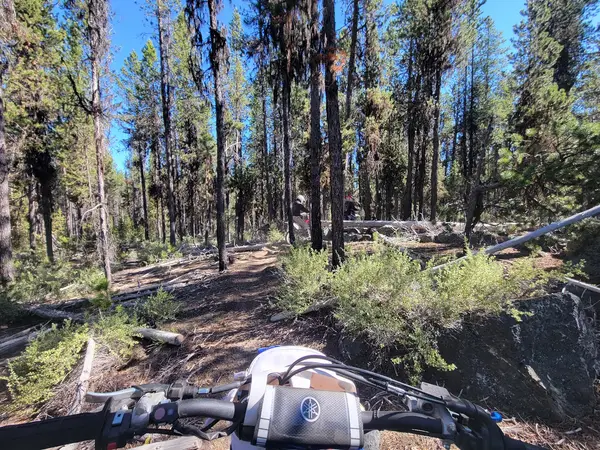
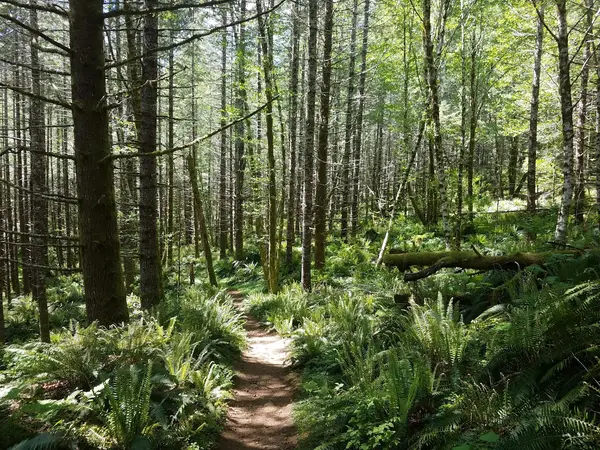
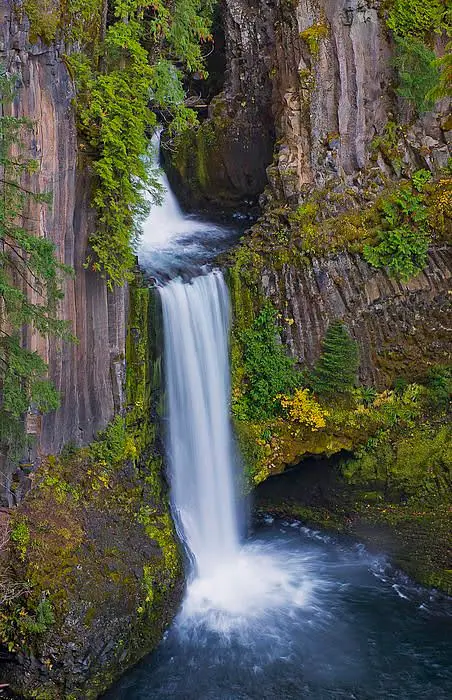
Watch it live
Live webcams in Oregon
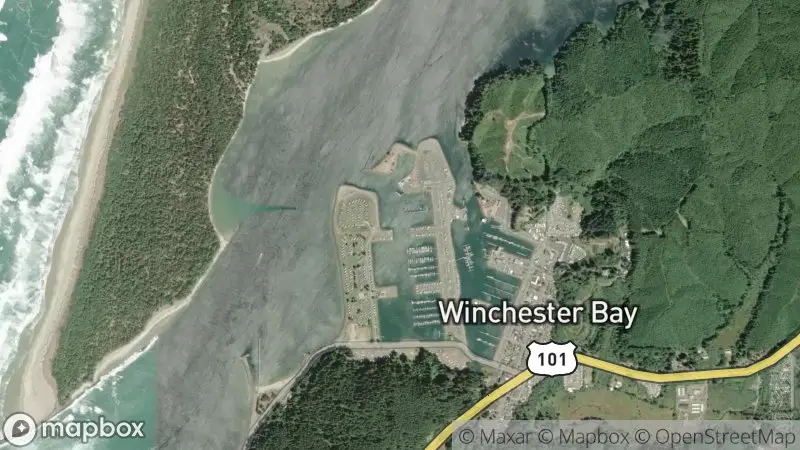 Location
Winchester Bay Cam (Oregon Dunes NRA gateway)
via Discover Winchester Bay
Watch livePlan your trip
Plan your trip to Oregon
OHV Permit Required
All OHVs operating on public lands or designated OHV areas in Oregon must display a valid Oregon OHV operating permit. This permit helps fund trail maintenance and development.
Spark Arrestors are Mandatory
All off-road vehicles must be equipped with a U.S. Forest Service approved spark arrestor to prevent wildfires. This is strictly enforced across all public lands.
Sound Limits Enforced
Oregon has strict noise regulations for OHVs. As of 2025 the statewide limit is 96 dB(A), measured 20 inches from the tip of the muffler; the Oregon Dunes National Recreation Area holds machines to a stricter 93 dB(A).
Diverse Terrain Awaits
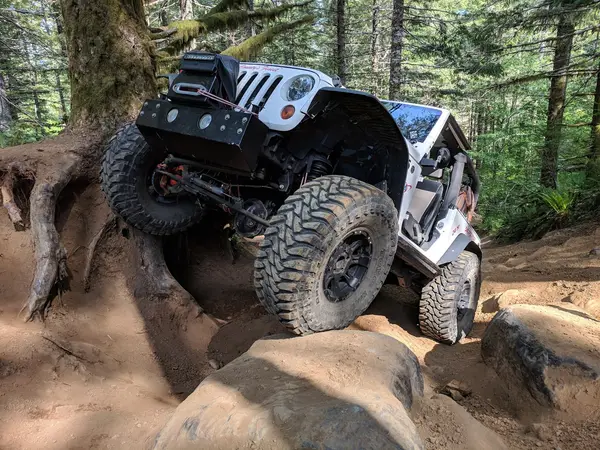
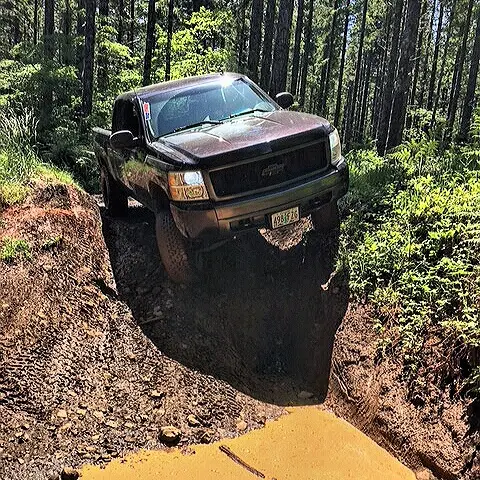
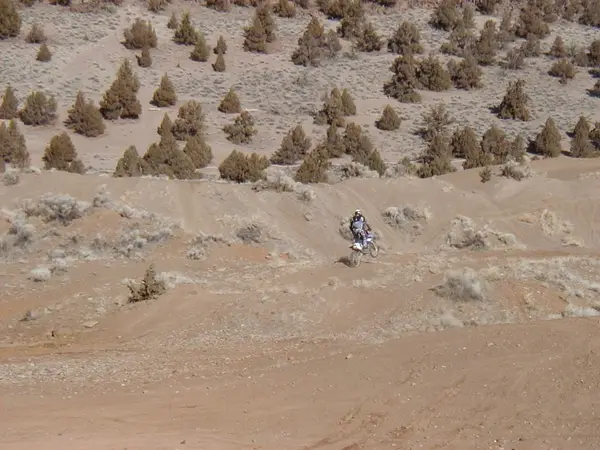
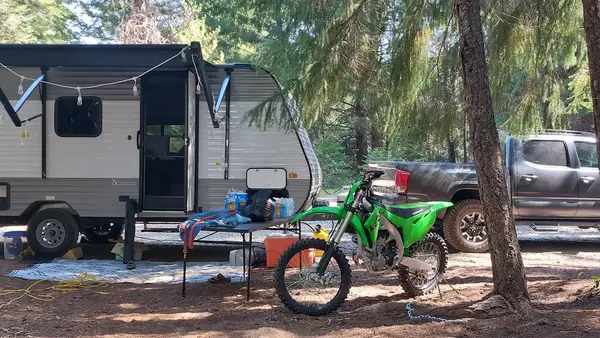
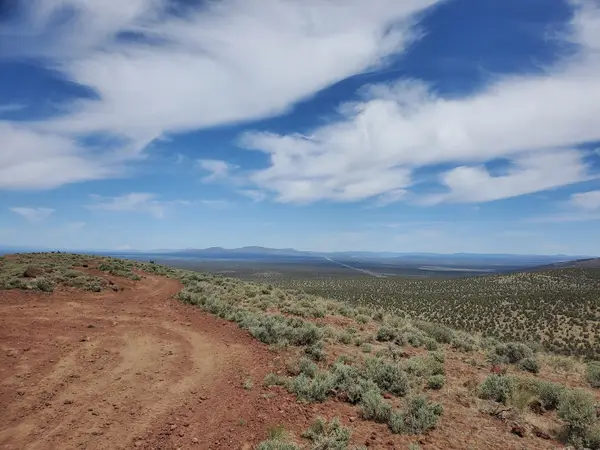
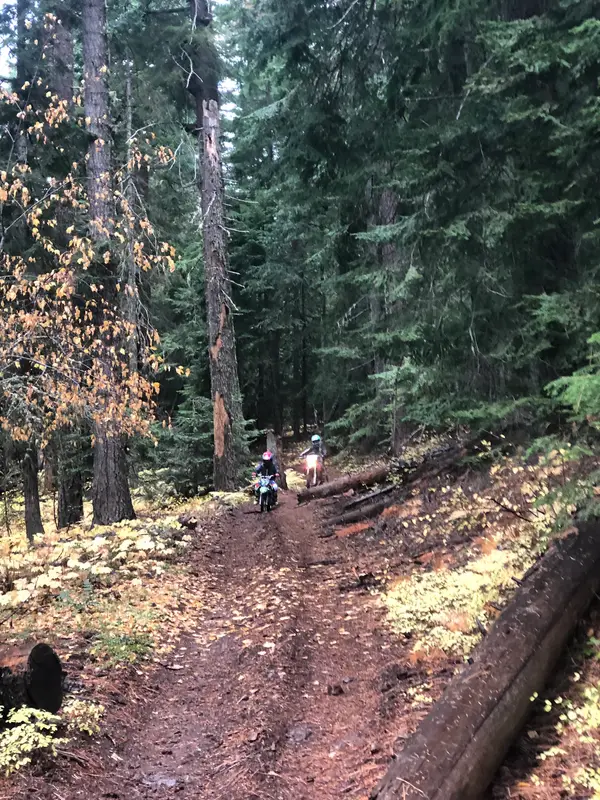
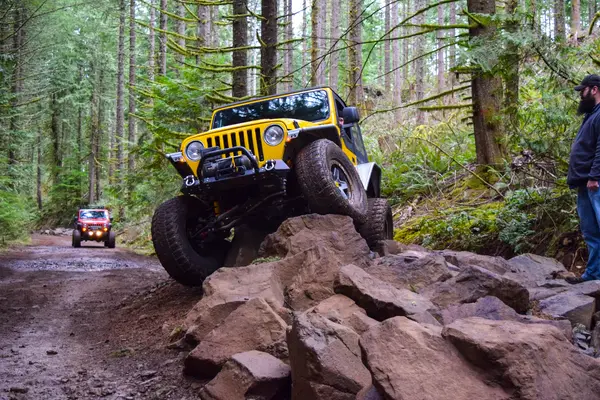
Be prepared for varied terrain, from the soft, shifting sands of the Oregon Dunes to the rocky, technical trails of the high desert and the muddy, rooted paths of the Coast Range forests. Each requires different riding skills and vehicle setups.
Seasonal Closures are Common
Trails are subject to seasonal closures due to snow, excessive mud, or fire danger. Always check with local land management agencies (USFS, BLM, OPRD) before heading out, especially during spring thaw or dry summer months.
Confirm current requirements with the state agency before your trip. Rules and fees change every season.
Oregon OHV Operating Permit
All off-road vehicles (ATVs, UTVs, dirt bikes, 4x4s) must display a valid Oregon OHV operating permit when used on designated public lands or OHV areas. Funds support trail systems.
Oregon Parks and Recreation DepartmentYouth Rider Education Card
Every operator of a Class I (quad) or Class III (off-road motorcycle) on Oregon public land must carry an ATV Safety Education Card, regardless of age; for Class IV side-by-sides the card is required for operators under 16 (adults use a driver's license). Riders under 16 must additionally complete a hands-on course and ride under adult supervision.
Sound and Spark Arrestor Requirements
All OHVs must be equipped with a U.S. Forest Service approved spark arrestor and meet specific sound limits. These regulations are critical for safety and environmental protection.
Vehicle Classification and Usage
Oregon classifies OHVs into several categories (Class I, II, III, IV), each with specific rules regarding passenger limits, helmet use, and where they can operate. Verify your vehicle's classification and applicable rules with OPRD.
- 01
1. Obtain Your Oregon OHV Permit
First stop: the Oregon OHV operating permit. It's mandatory in designated riding areas, and the money loops straight back into the trail systems you'll be riding, one of the fairer deals in state permitting.
- 02
2. Research Designated Riding Areas
Dunes, desert, or forest? Pick the terrain that fits your machine and your skill, then look up that specific area's access status and house rules, they vary more than you'd expect across the state.
- 03
3. Check Current Trail Conditions and Regulations
Before every trip, hit the OPRD, BLM, or USFS pages for the area you're riding. Trail status, weather advisories, and fire restrictions all change fast in Oregon, last month's information is stale.
- 04
4. Prepare Your Vehicle and Gear
Sound check, spark arrestor, mechanical once-over, get the machine legal and reliable before you load it. Then pack for the terrain: safety gear, first-aid, navigation, and enough supplies to cover a slow day out.
- 05
5. Plan Your Route and Inform Others
Study the map, read the difficulty ratings honestly, and leave your itinerary with someone staying home. Out on the trail, stay on the marked routes, it keeps you found and keeps the land open.
01Do I need a special license to operate an OHV in Oregon?
02Are there age restrictions for OHV riders in Oregon?
03What types of terrain can I expect to find for OHV riding in Oregon?
04Are there noise restrictions for OHVs in Oregon?
05Where can I find maps and information about specific OHV trails?
06Are OHV trails in Oregon open year-round?
Free tools
Your free outdoor toolkit

Everything Map
Listings, trails, spots, clubs and public land on a single full-screen map. Switch layers on and off, then tap any point for the details.
Open Everything MapTrail Explorer
Browse a community map of named trails with distance, difficulty, and where each one starts.
Open Trail ExplorerRoute Planner
Drop stops on a map and watch distance and drive time add up. Export a GPX or share the link.
Open Route PlannerOff-Road Clubs
Browse local clubs with meeting info and how to join, or start your own for free.
Open Off-Road ClubsGear Checklists
Printable, save-as-you-go packing lists. Tick items off and pull them up on your phone.
Open Gear ChecklistsMaintenance Schedules
Pick your machine and get its full service schedule. Add your hours to turn intervals into dates.
Open Maintenance Schedules


Keep exploring