Off-Road Parks · Nevada
Off-Road Parks in Nevada
Ride 22 parks across Nevada. Maps, hours, contact info, photos, and verified operator profiles, all in one place.
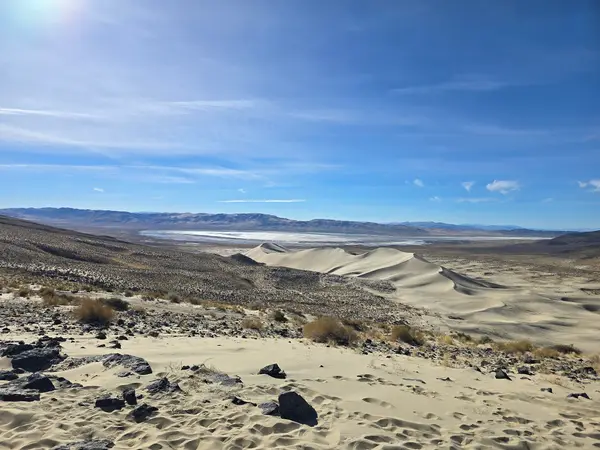
Great Basin desert, Sierra eastside, and the loneliest road in America.
About Nevada
Best time to go
When to ride in Nevada
October through May for desert; June through October for high country.
- October–April: cool temperatures and prime desert riding
- Summer: dangerous heat, so avoid midday desert riding
- Holiday weekends are extremely busy at the big dunes
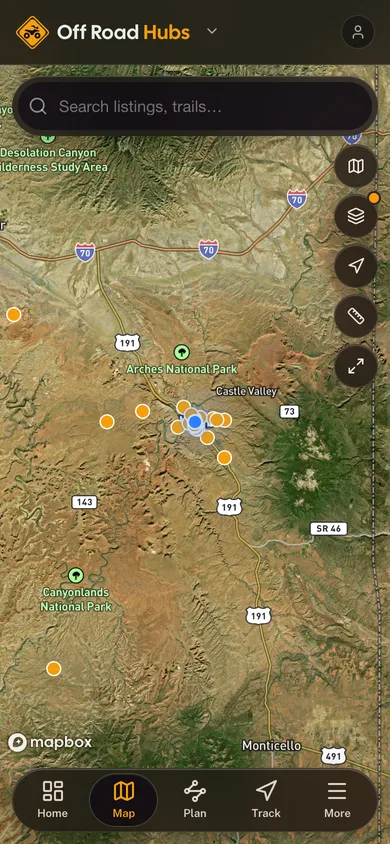
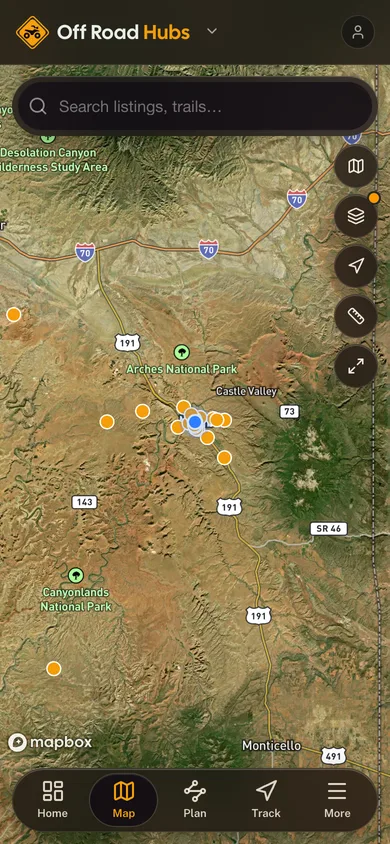
22 on the map
Tap a pin to open its profile.
Quick facts
- Trails mapped
- 465
- Parks listed
- 22
- Best season
- October through May
All listings
22 parks
across Nevada
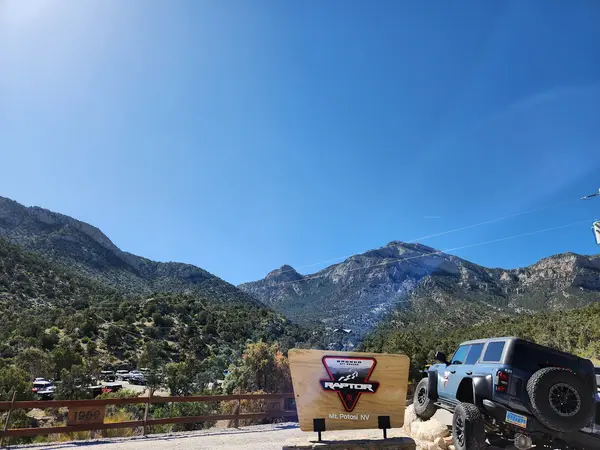
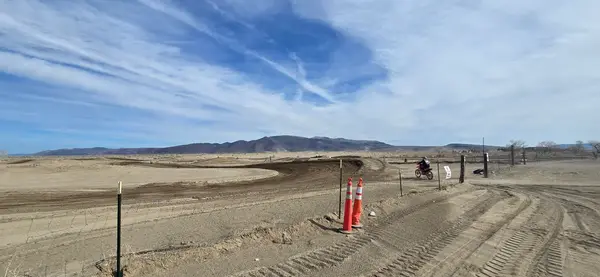
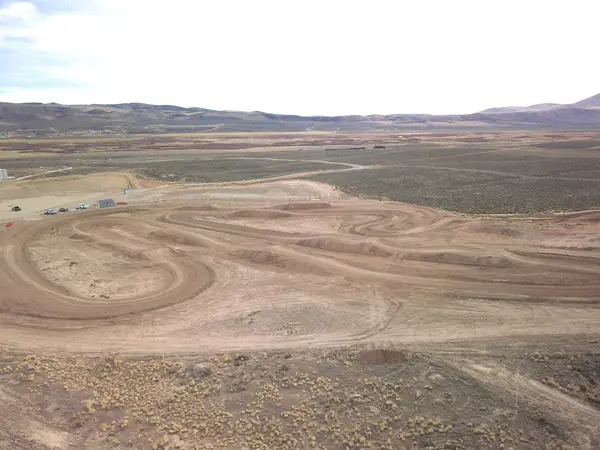
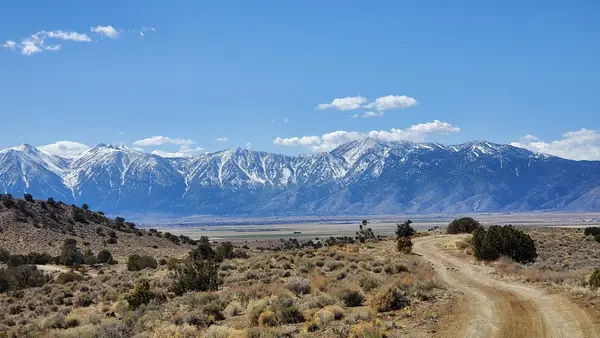
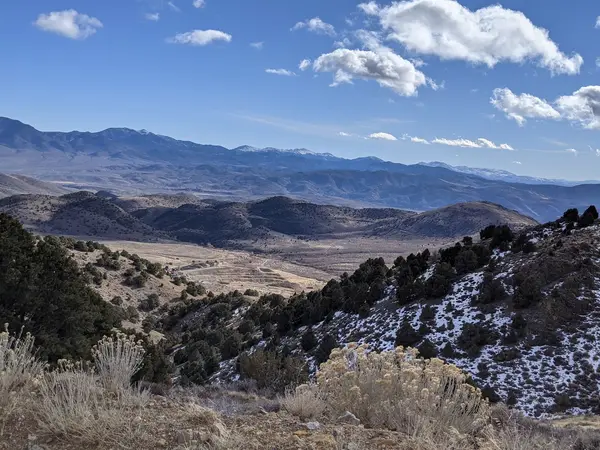


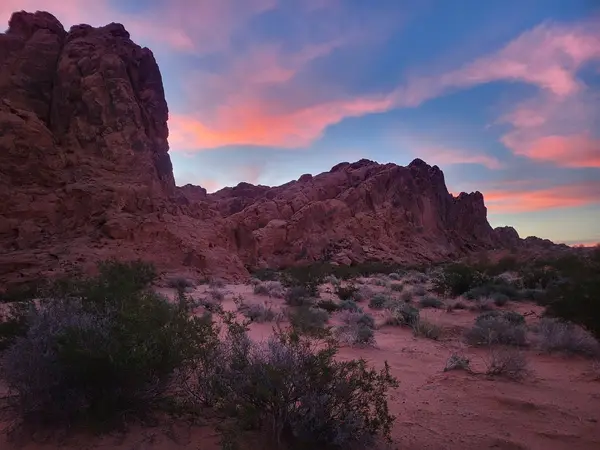
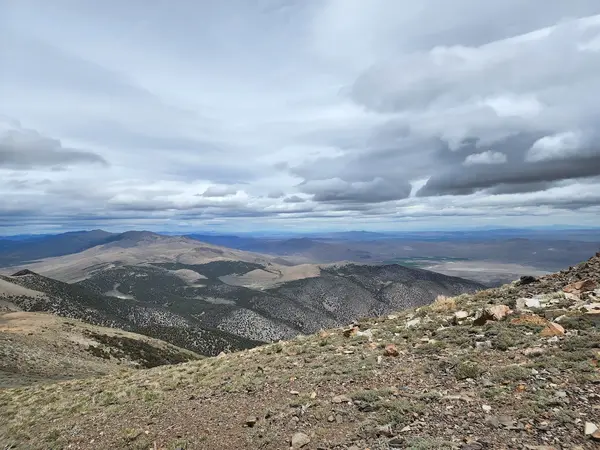
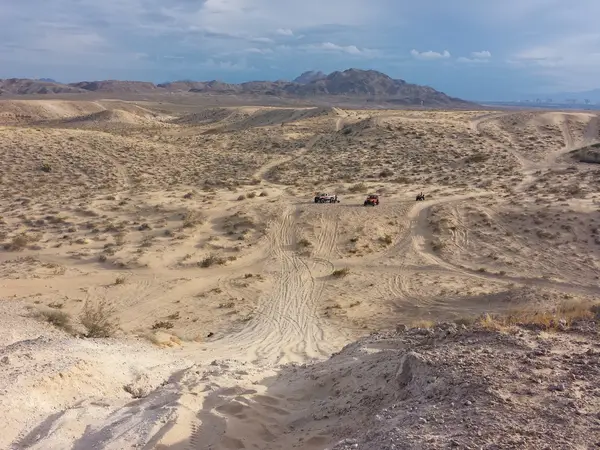

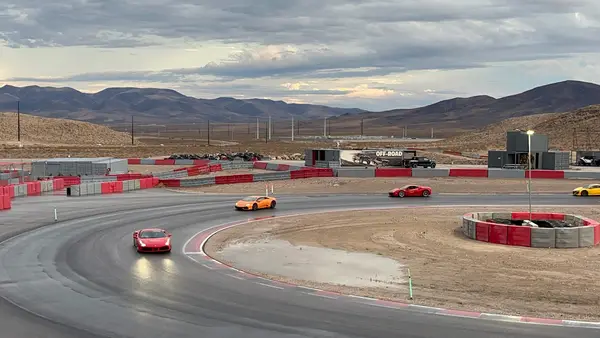
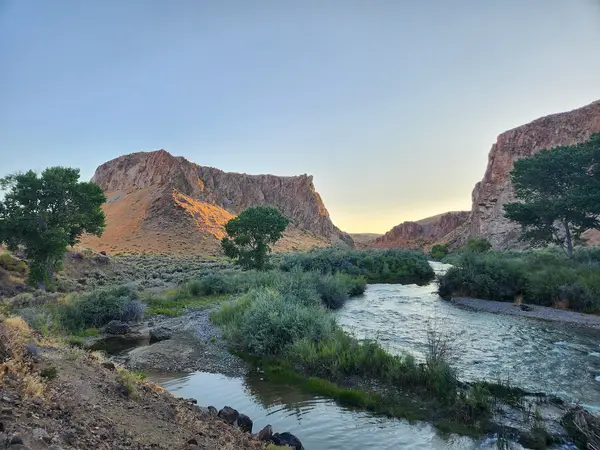
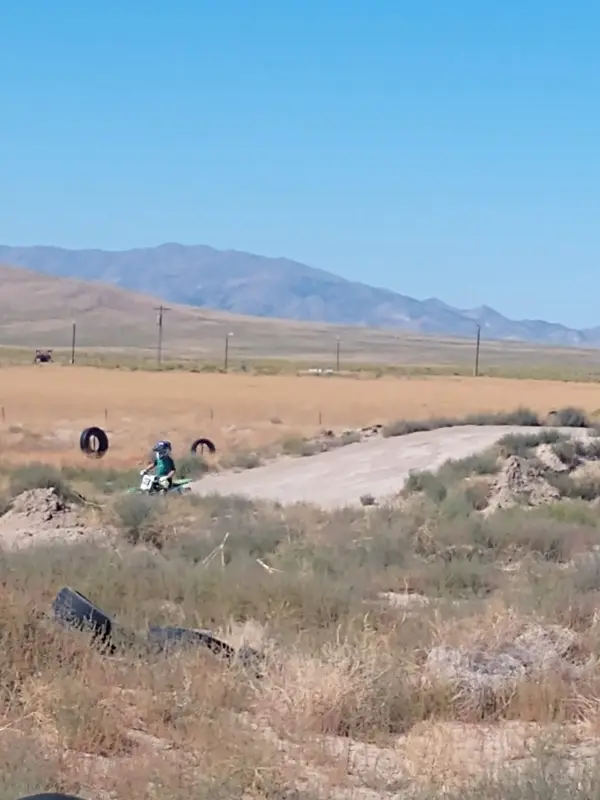
Plan your trip
Plan your trip to Nevada
OHV Registration and Trail Passes
OHVs owned by Nevada residents must be registered to operate on public lands. Nevada honors a valid out-of-state OHV registration for visiting riders, there's no reciprocal-agreement or non-resident-registration requirement, and the state's OHV FAQ notes registration isn't required for an OHV registered in another state and located in Nevada 15 days or fewer. Funds from these registrations often support trail maintenance and development.
Public vs. Private Land Access
Most off-road riding in Nevada occurs on vast tracts of public land managed by the BLM and USFS. Respect private property boundaries and always stay on designated trails to prevent trespassing and environmental damage. Maps indicating land ownership are crucial.
Sound and Spark Arrestor Rules
All OHVs must be equipped with a U.S. Forest Service approved spark arrestor to prevent wildfires. Noise limits are also enforced; ensure your vehicle's exhaust system complies with state regulations to minimize sound pollution.
Diverse Terrain Considerations
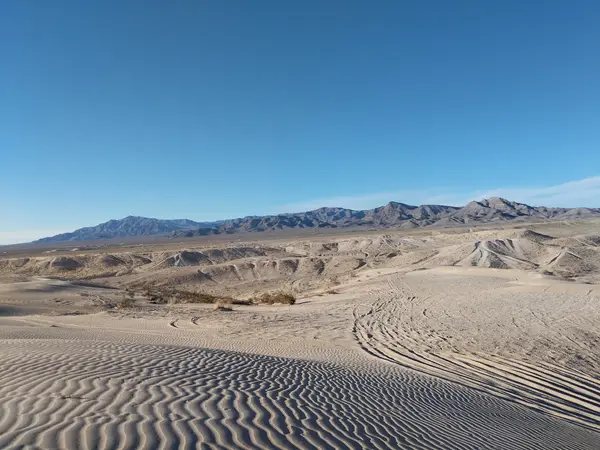
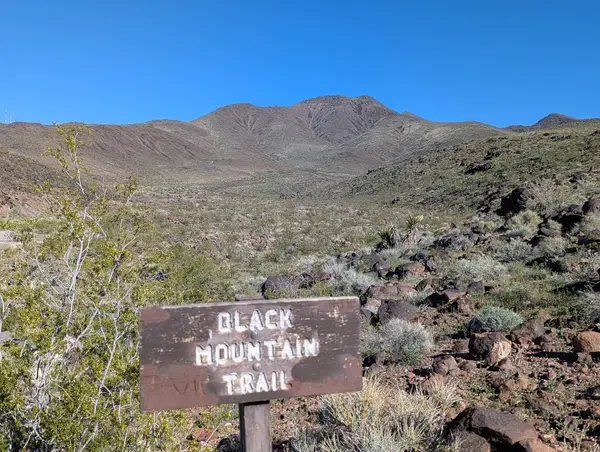
Nevada's terrain ranges from soft sand dunes and sandy washes to hard-packed dirt roads and extremely rocky mountain trails. Prepare your vehicle and riding skills for the specific type of terrain you plan to encounter, as conditions can change rapidly.
Seasonal Trail Closures and Restrictions
Be aware of seasonal trail closures. Higher elevation trails may close due to snow in winter, while fire restrictions are common during hot, dry summer months and can lead to temporary trail or area closures. Always check current conditions with the managing agency.
Confirm current requirements with the state agency before your trip. Rules and fees change every season.
OHV Registration
All off-highway vehicles (OHVs) operated on public lands or trails in Nevada must be registered. This registration requirement applies to Nevada residents. Nevada operates no reciprocal-agreement program; an out-of-state OHV already registered or certified in another state is honored while visiting, and the state's OHV FAQ notes registration isn't required for such a vehicle located in Nevada 15 days or fewer.
Helmet Requirement
Nevada does not mandate helmets for general off-highway riding on public land at any age, but a DOT-approved helmet is required when operating on a road open to street-legal vehicles and in Nevada State Parks (all ages), and many riding areas require one. Wear a helmet regardless.
Spark Arrestor Mandate
Every OHV operated in Nevada must be equipped with a U.S. Forest Service approved spark arrestor. This device is critical for preventing wildfires, especially in the arid conditions prevalent across much of the state's riding areas.
Age and Supervision Requirements
Nevada sets no statewide minimum age or supervision requirement for off-highway riding on public land; the under-16 supervision rule applies only where a city or county has designated a public road for OHV use. Federal land managers (BLM, USFS) and individual areas may impose their own age rules, so check locally.
- 01
1. Research and Plan Your Route
Pick your area, then dig into the specific trails: difficulty, length, and whether they suit your machine. BLM and USFS maps and online resources are the starting point.
- 02
2. Ensure OHV Registration and Compliance
Confirm your OHV is registered for Nevada, out-of-state visitors especially. Make sure the machine clears the state's requirements on spark arrestors, sound levels, and safety equipment before it touches dirt.
- 03
3. Prepare Your Gear and Supplies
Pack helmets where required, a first-aid kit, GPS or paper maps, and more water and food than the plan calls for, plus repair tools. In Nevada's remote country, a satellite messenger is worth its weight.
- 04
4. Check Weather and Trail Conditions
Check the forecast and current trail status before leaving pavement. Snow, mud, and fire restrictions all close routes seasonally, and out here a closed trail can mean a very long detour.
- 05
5. Inform Others of Your Plans
Tell someone reliable your route, your return time, and who's riding with you. When a breakdown happens fifty empty miles from anywhere, that phone call you made beforehand is the rescue plan.
01Do I need a special permit to ride OHVs in Nevada?
02What kind of terrain can I expect when off-roading in Nevada?
03Are there age restrictions for OHV operators in Nevada?
04When is the best time to go off-roading in Nevada?
05Are there fire restrictions I need to be aware of?
06What are the rules regarding spark arrestors and sound limits?
Free tools
Your free outdoor toolkit

Everything Map
Listings, trails, spots, clubs and public land on a single full-screen map. Switch layers on and off, then tap any point for the details.
Open Everything MapTrail Explorer
Browse a community map of named trails with distance, difficulty, and where each one starts.
Open Trail ExplorerRoute Planner
Drop stops on a map and watch distance and drive time add up. Export a GPX or share the link.
Open Route PlannerOff-Road Clubs
Browse local clubs with meeting info and how to join, or start your own for free.
Open Off-Road ClubsGear Checklists
Printable, save-as-you-go packing lists. Tick items off and pull them up on your phone.
Open Gear ChecklistsMaintenance Schedules
Pick your machine and get its full service schedule. Add your hours to turn intervals into dates.
Open Maintenance Schedules


Keep exploring