Off-Road Parks · Idaho
Off-Road Parks in Idaho
Ride 24 parks across Idaho. Maps, hours, contact info, photos, and verified operator profiles, all in one place.
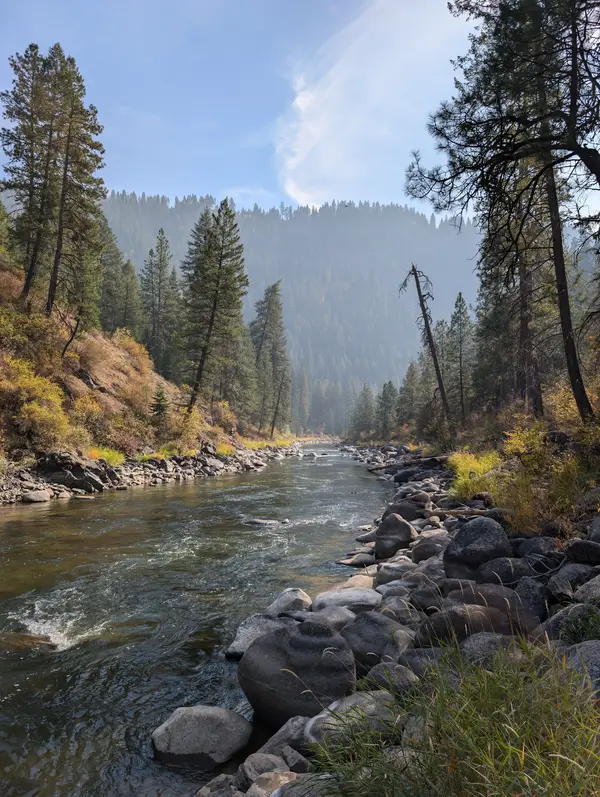
Wilderness density second only to Alaska. Salmon, Sawtooths, and Snake River.
About Idaho
Best time to go
When to ride in Idaho
June through October. Winter is for resorts.
- June–September: prime high-country trail riding
- Respect spring mud-season closures, they protect the trails
- Fall brings firm trails and aspen colors
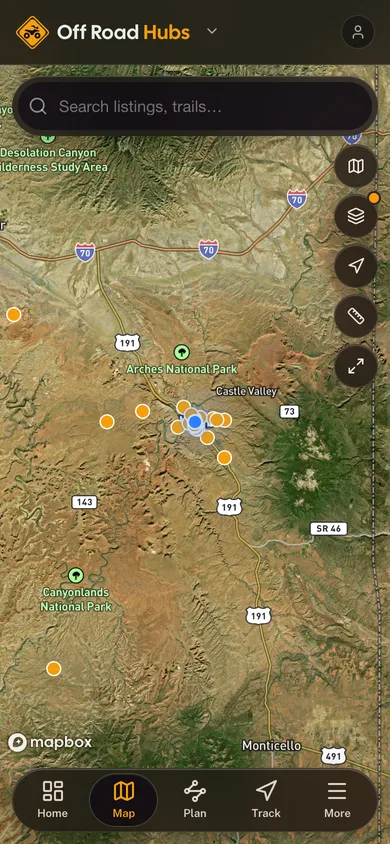
24 on the map
Tap a pin to open its profile.
Quick facts
- Trails mapped
- 767
- Parks listed
- 24
- Best season
- June through October
All listings
24 parks
across Idaho

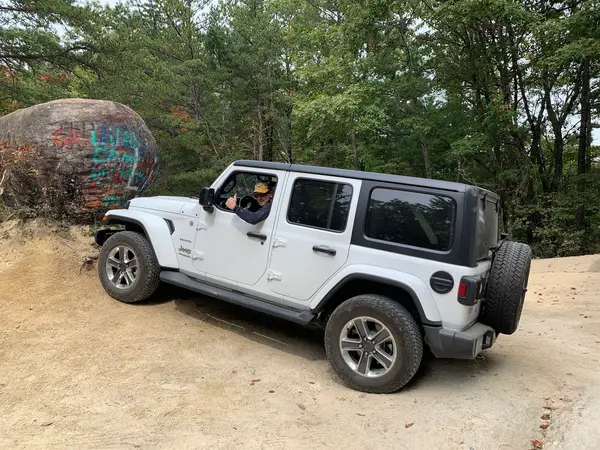
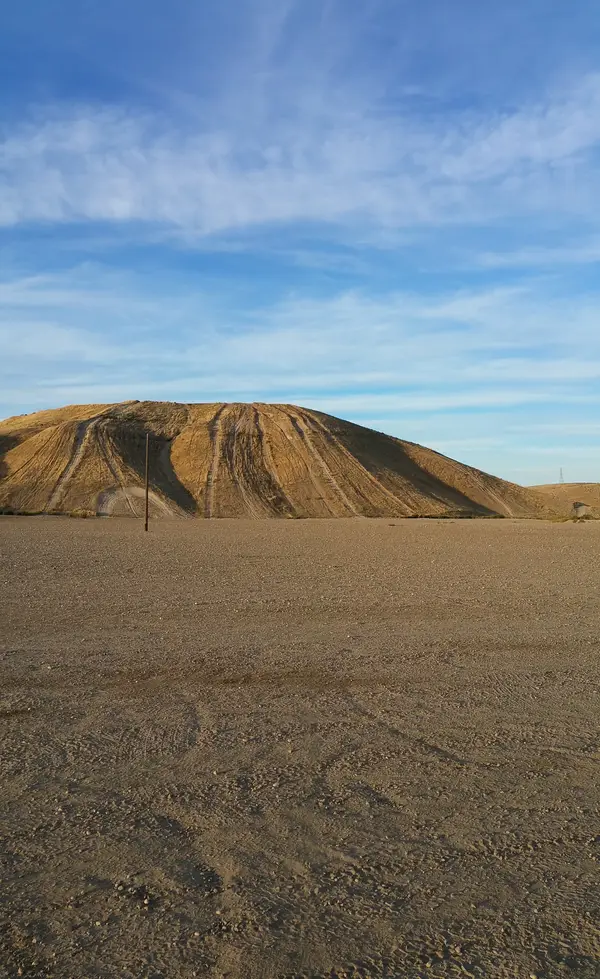
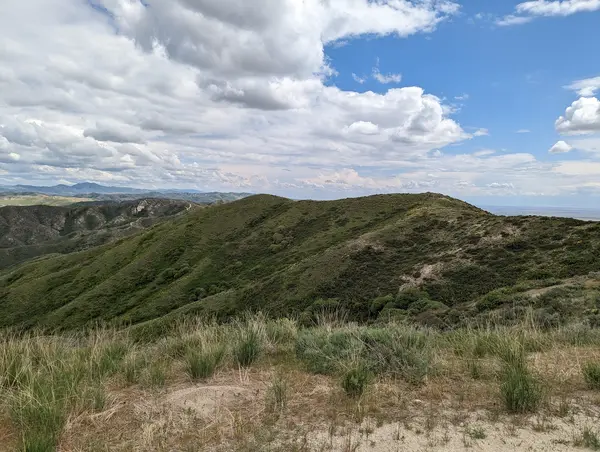
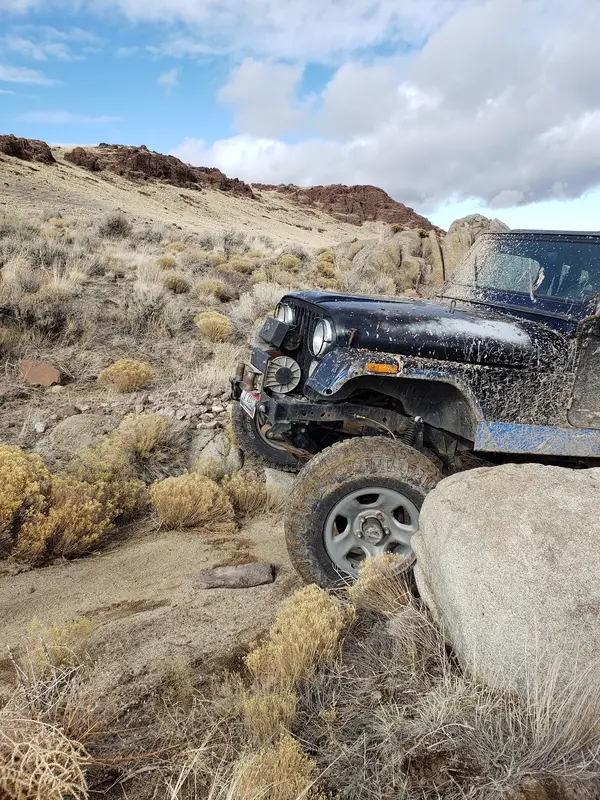

Plan your trip
Plan your trip to Idaho
OHV Registration and Trail Passes
All OHVs operating on public lands or designated trails in Idaho must be registered. Non-residents need to purchase an Idaho OHV Non-Resident Trail Sticker. These funds support trail maintenance and development.
Public vs. Private Land Access
A majority of Idaho's off-road opportunities are on public lands (National Forests, BLM land). Always verify land ownership before riding and respect private property boundaries. Treading lightly and staying on designated trails is paramount.
Sound and Spark Arrestor Requirements
Idaho law mandates that all OHVs must be equipped with a U.S. Forest Service approved spark arrestor. Sound limits are also enforced; ensure your vehicle's exhaust system complies with state regulations to minimize noise impact.
Terrain Variety and Preparation
Idaho offers a mix of terrain including rocky climbs, muddy forest paths, dusty desert roads, and sandy washes. Prepare your vehicle and gear for diverse conditions. Tire choice, suspension setup, and recovery equipment should match your intended riding area.
Seasonal Trail Closures and Restrictions
Trails are subject to seasonal closures due to snowpack, muddy conditions during spring thaw, or fire restrictions in summer and fall. Always check with the local land management agency (e.g., USFS, BLM) for current trail status before heading out.
Confirm current requirements with the state agency before your trip. Rules and fees change every season.
OHV Registration and Non-Resident Sticker
All off-highway vehicles (OHVs) operated in Idaho must display current registration. Idaho residents must register their OHVs with the state. Non-residents operating an OHV in Idaho must purchase a Non-Resident OHV Trail Sticker.
Idaho Parks & RecreationSpark Arrestor Requirement
Idaho law requires all off-highway vehicles to be equipped with a U.S. Forest Service approved spark arrestor. This is a critical safety measure to prevent wildfires, particularly in forested and dry areas.
Idaho Parks & RecreationSound Level Limits
OHVs operating in Idaho must comply with state noise regulations. Most vehicles are required to have an exhaust system that limits sound output to 96 decibels or less, measured at 20 inches from the exhaust outlet. Check your vehicle's specifications.
Idaho Parks & RecreationYouth Operator Requirements
Unlicensed operators under 16 must complete an IDPR-approved OHV safety course to ride on U.S. Forest Service (national forest) roads and carry proof of completion, it's a Forest Service-road rule, not a blanket public-lands requirement. Minimum age requirements may also apply depending on the specific OHV type and location. Verify with the state agency for specifics.
- 01
Research Your Destination
Match a trail system to your machine and your skill level before anything else. Land-agency maps, online resources, and local riding forums will tell you what a given area actually rides like and how to get in.
- 02
Verify OHV Requirements
Registration current, spark arrestor fitted, and if you're coming from out of state, buy the Idaho Non-Resident OHV Trail Sticker. Sort out any age or safety-certificate requirements for the operators in your group too.
- 03
Prepare Your Vehicle and Gear
Give the machine a real pre-ride inspection: tires, fluids, brakes. Then pack for remote country: safety gear, first-aid kit, navigation, plenty of water, and the repair items that turn a breakdown into an inconvenience instead of an emergency.
- 04
Understand Local Regulations and Closures
Call or check with the local Forest Service or BLM office before you go: snow closures, spring mud, and fire restrictions all move trail status around. Once out there, respect the signage and stay on designated routes.
- 05
Plan for Safety and Environmental Stewardship
Ride within your limits, never alone, and leave an itinerary with someone. Stay on marked trails, pack out what you pack in, and treat the country well, Idaho's backcountry stays this good because riders keep it that way.
01Do I need a special permit or registration to ride my OHV in Idaho?
02Are there age restrictions for operating OHVs in Idaho?
03What types of OHVs are allowed on Idaho's trails?
04What is the best time of year to go off-roading in Idaho?
05Are spark arrestors and sound limits enforced in Idaho?
06Can I ride my OHV on any public land in Idaho?
Free tools
Your free outdoor toolkit

Everything Map
Listings, trails, spots, clubs and public land on a single full-screen map. Switch layers on and off, then tap any point for the details.
Open Everything MapTrail Explorer
Browse a community map of named trails with distance, difficulty, and where each one starts.
Open Trail ExplorerRoute Planner
Drop stops on a map and watch distance and drive time add up. Export a GPX or share the link.
Open Route PlannerOff-Road Clubs
Browse local clubs with meeting info and how to join, or start your own for free.
Open Off-Road ClubsGear Checklists
Printable, save-as-you-go packing lists. Tick items off and pull them up on your phone.
Open Gear ChecklistsMaintenance Schedules
Pick your machine and get its full service schedule. Add your hours to turn intervals into dates.
Open Maintenance Schedules