Off-Road Parks · British Columbia
Off-Road Parks in British Columbia
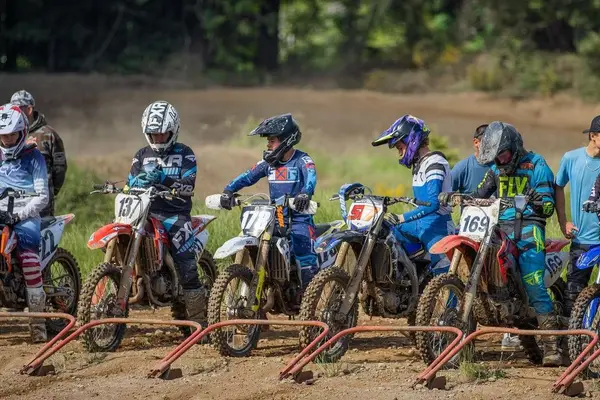
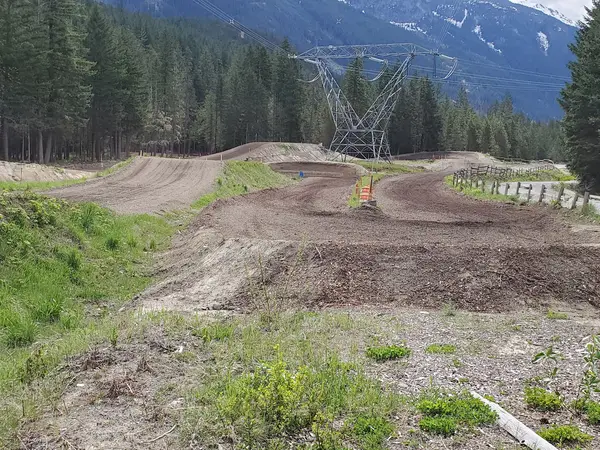
Ride 9 parks across British Columbia. Maps, hours, contact info, photos, and verified operator profiles, all in one place.
Updated
At a glance
Off-Road Parks in British Columbia at a glance
All 9 parks listed in British Columbia.
| Park | City |
|---|---|
| Alberni Motocross | Port Alberni |
| Green River MX | Pemberton |
| Kelowna Dirtbike Club | Kelowna |
| Popkum Motor Park | Rosedale |
| South Cariboo Track & Trail Dirtbike Association | 100 Mile House |
| Sunshine Coast Motocross Compound | Sechelt |
| Tansky Off-road Vehicle Riding Area (VIDRA) | Jordan River |
| Thunder Mountain Off Road Park | Beaverdell |
| Whiskey Creek Off-road Riding Area | Qualicum Beach |
All listings
9 parks in British Columbia
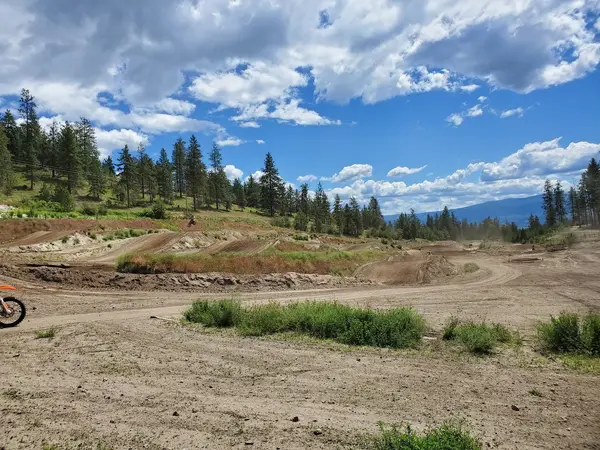
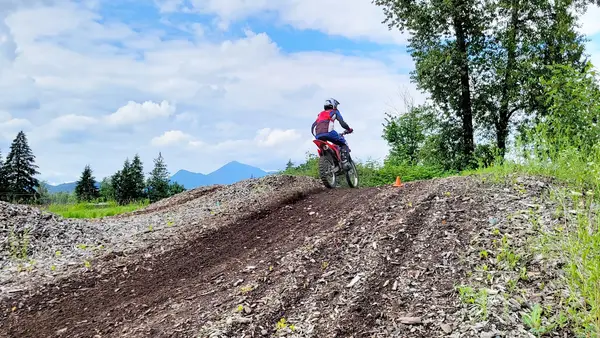
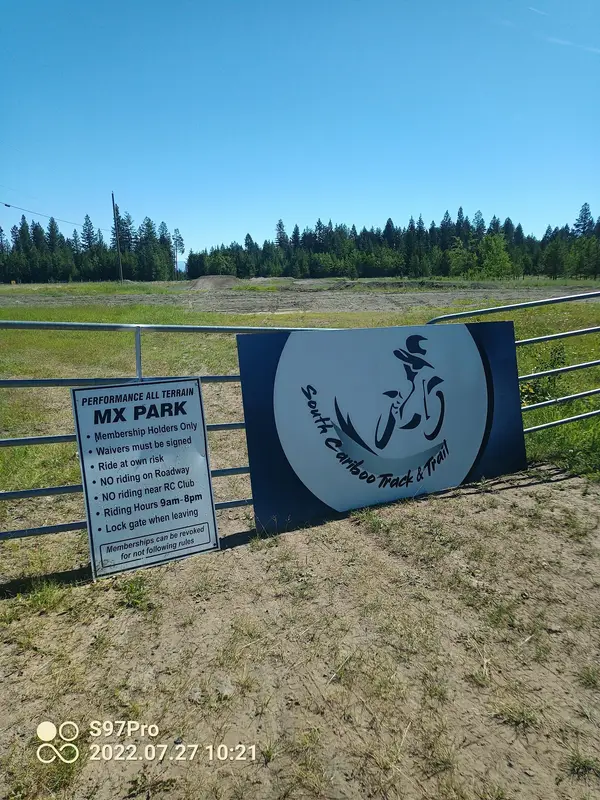
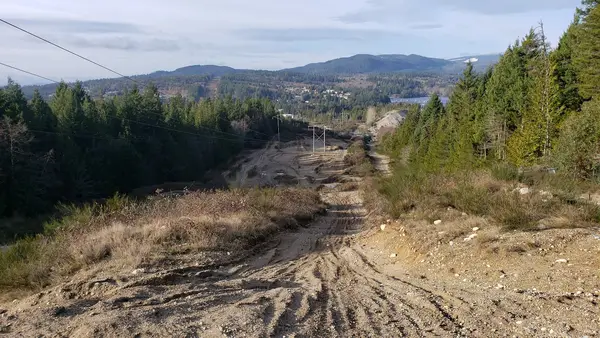
On the map
Off-road parks in British Columbia
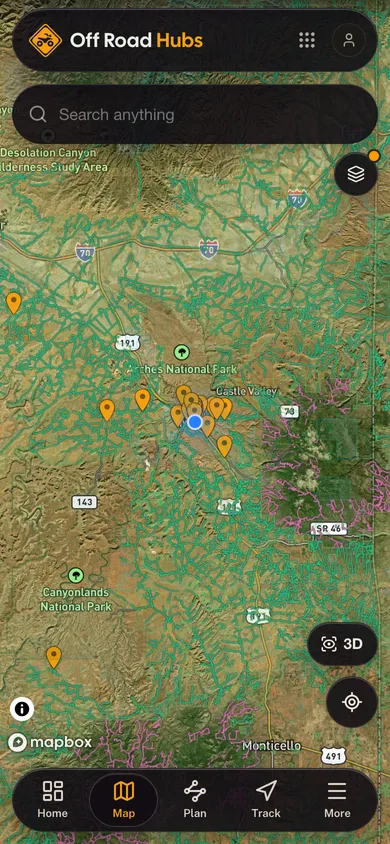
Everything we have mapped in British Columbia, on one map. Tap anything for its details.
Loads the full map of British Columbia. We leave it off by default so the page opens fast on mobile data.
About British Columbia
Quick facts
- Parks listed
- 9
Trip guide
Know before you go in British Columbia
Confirm current requirements with the state agency before your trip. Rules and fees change every season.
Off-Road Vehicle Registration
All off-road vehicles operated on Crown land in British Columbia must be registered. BC residents register with ICBC and display a plate or decal. Non-residents must register their ORV in their home jurisdiction if available, displaying that plate. If their home jurisdiction does not offer ORV registration, they must carry proof of ownership.
Helmet Requirement
Operators and passengers of off-road vehicles in British Columbia must wear an approved helmet. This regulation is in place for safety, regardless of the rider's age or experience level.
Spark Arrestor Requirement
A working spark arrestor is legally required on all off-road vehicles operated on Crown land in British Columbia. This is a critical measure under the Wildfire Regulation to prevent ignitions from engine exhaust.
Minor Operator Supervision and Vehicle Sizing
Off-road vehicle operators under 16 years of age must be supervised by an adult. Additionally, the ORV must be appropriately sized for the young rider, ensuring safe and controlled operation.
01Do I need a driver's licence to operate an ORV in British Columbia?
02What are the main regulations for riding an ORV on Crown land?
03Is a spark arrestor truly mandatory for my ORV?
04Are helmets required for ORV operators and passengers?
05Can I ride my ORV anywhere on Crown land in BC?
06What are the registration requirements for visitors from outside British Columbia?
When to go
Season by season in British Columbia
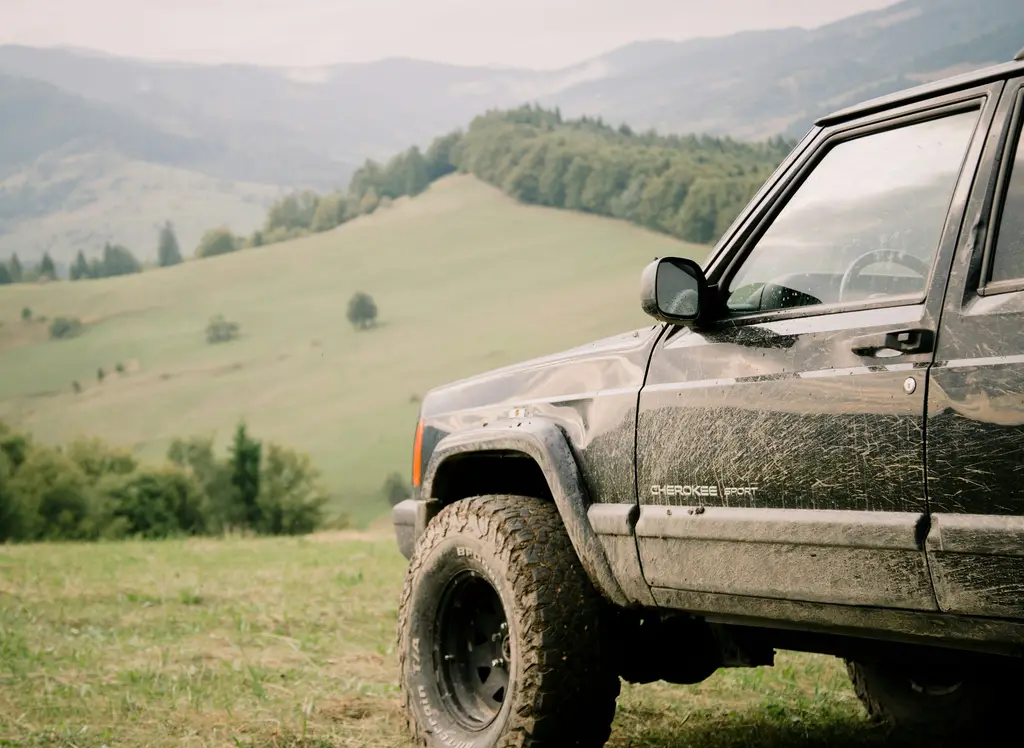
Spring
Snowmelt often means muddy conditions on lower elevation trails, while higher routes remain under snow. Many areas begin to open up as the ground dries, offering fresh challenges.
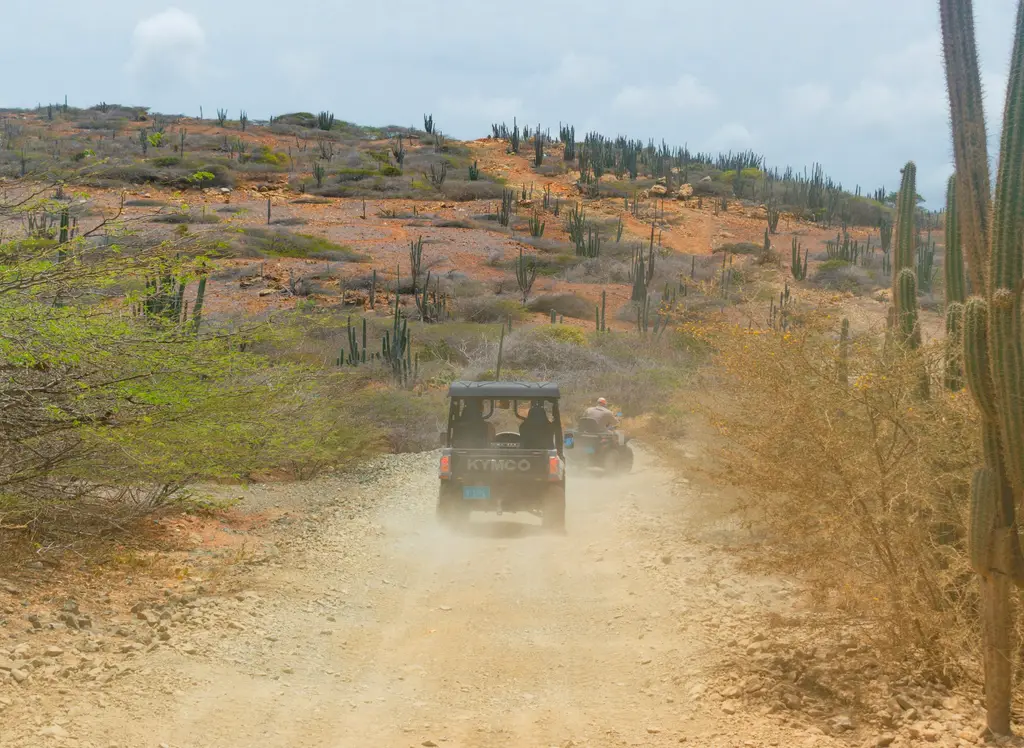
Summer
This is peak riding season across most of the province, with extensive access to trails and Forest Service Roads. Riders must be vigilant for wildfire risks and associated ORV use restrictions.
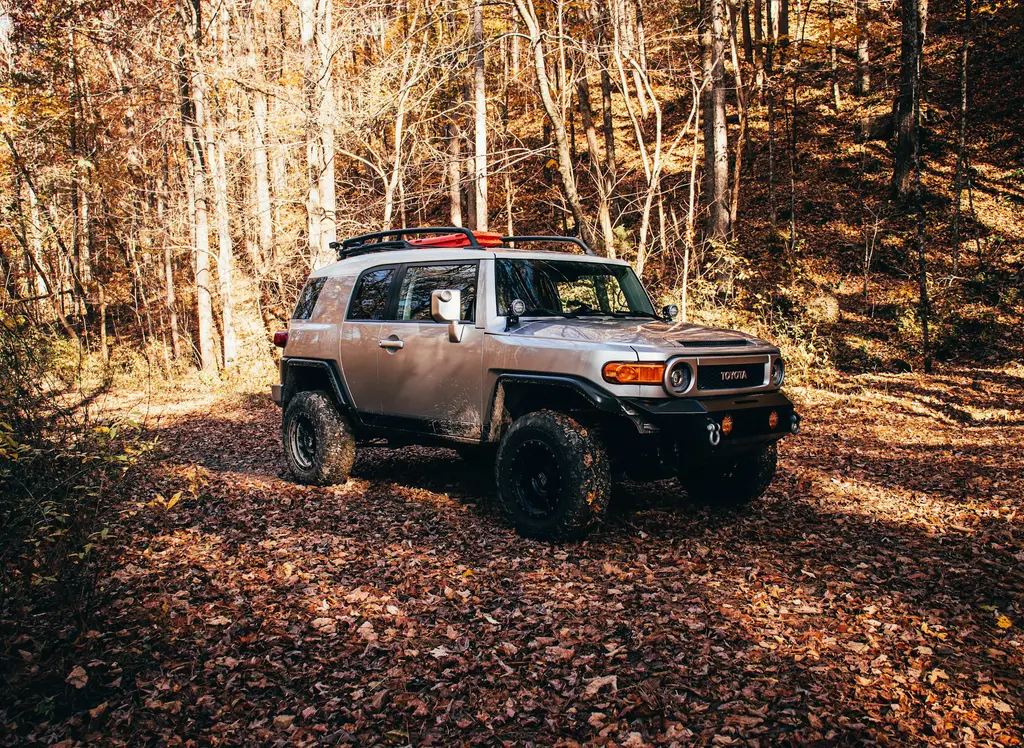
Fall
Cooler temperatures and vibrant foliage make fall a popular time for riding, often with fewer crowds. Be aware of hunting seasons and changing weather conditions, especially at higher elevations.
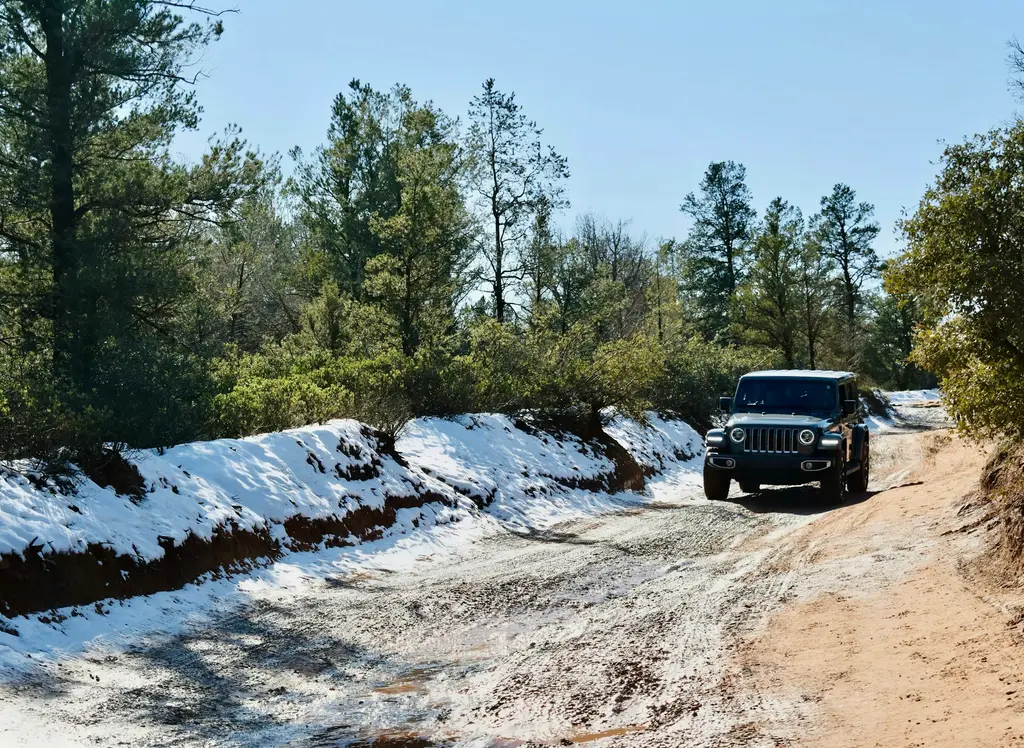
Winter
Winter riding is primarily limited to snowmobiling or specific snow-adapted ORVs in designated areas. Most traditional ORV trails become inaccessible due to deep snow and frozen conditions.
Free tools
Your free outdoor toolkit


Keep exploring