Off-Road Parks · Alaska
Off-Road Parks in Alaska
Ride 10 parks across Alaska. Maps, hours, contact info, photos, and verified operator profiles, all in one place.
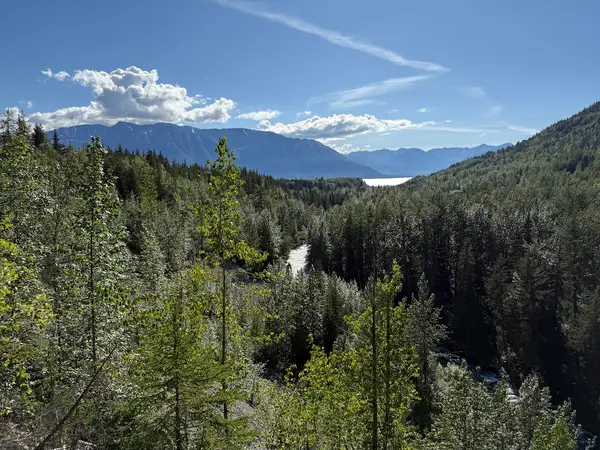
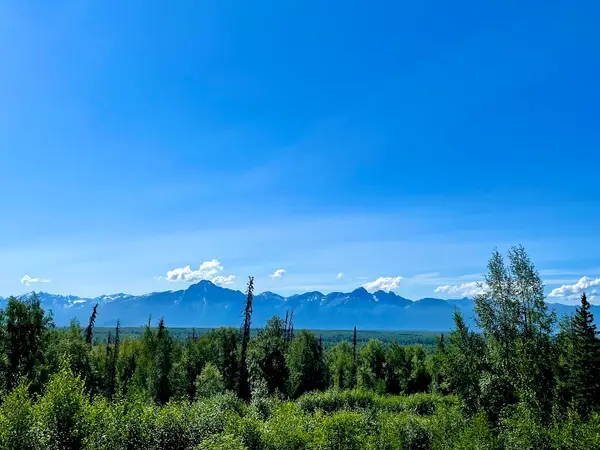
America's last great frontier. Fjords, glaciers, and 17 of the 20 highest peaks in the country.
About Alaska
Best time to go
When to ride in Alaska
June through early September. Long days and an accessible interior.
- June–September: prime high-country trail riding
- Respect spring mud-season closures, they protect the trails
- Fall brings firm trails and aspen colors
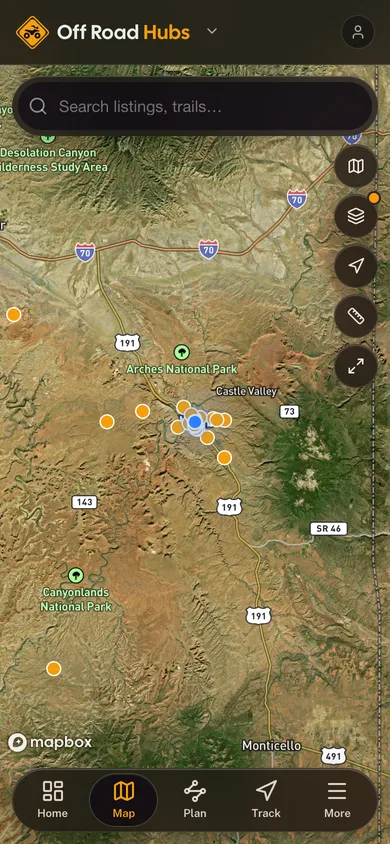
10 on the map
Tap a pin to open its profile.
Quick facts
- Trails mapped
- 81
- Parks listed
- 10
- Best season
- June through early September
All listings
10 parks
across Alaska
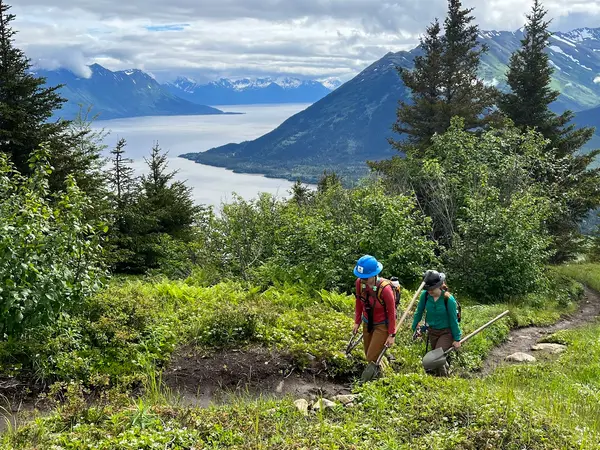
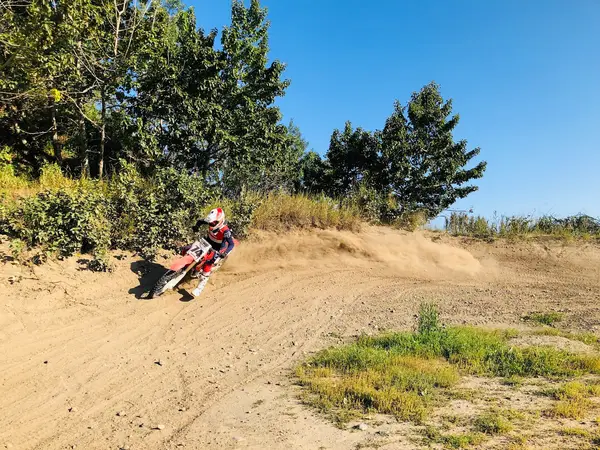
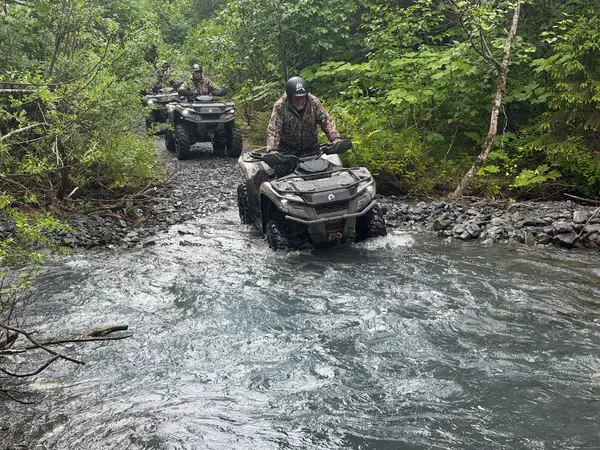
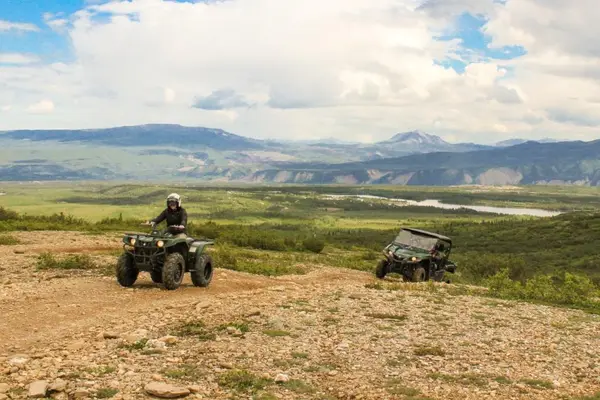
Plan your trip
Plan your trip to Alaska
OHV Registration & Trail Passes
In Alaska, an OHV must be registered with the DMV to operate on or cross a public road or highway; a machine ridden purely off-road on public land is, by statute, an unregistered "off-road vehicle." While specific trail passes are less common than in some other states, always verify any local requirements for specific OHV parks or managed areas before your trip.
Public vs. Private Land Access
Much of Alaska is public land, but it is a complex mosaic of state, federal, and Native corporation lands. Always know your location and respect private property boundaries. Unauthorized access can lead to significant penalties.
Sound & Spark Arrestor Rules
OHVs operating on public lands in Alaska are generally required to be equipped with an approved spark arrestor to prevent wildfires. Sound limits are also enforced; ensure your vehicle meets state noise regulations to protect sensitive environments and wildlife.
Terrain & Challenges
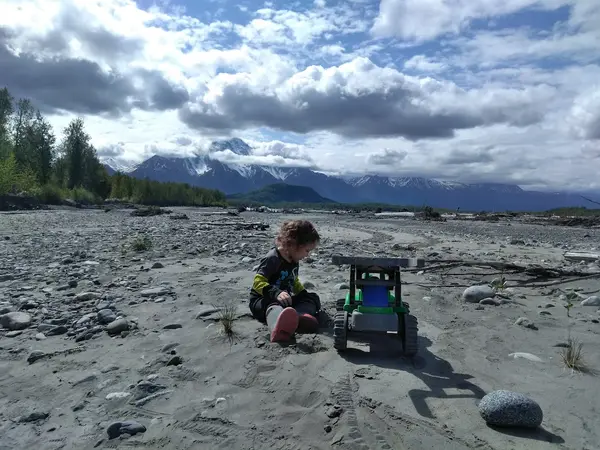
Alaska's diverse terrain includes everything from rocky riverbeds and loose gravel to boggy tundra and dense forest trails. Riders should be prepared for varying conditions, including potential for deep mud, water crossings, and encounters with large wildlife. Navigation skills are critical due to limited signage in remote areas.
Seasonal Trail Closures
Trails can close due to heavy snow, severe mud conditions during thaw, or for wildlife protection (e.g., during calving season). Fire restrictions are also common during dry periods. Always check current conditions and closure notices with the land managing agency before heading out.
Confirm current requirements with the state agency before your trip. Rules and fees change every season.
OHV Registration
In Alaska, off-highway vehicles are registered through the Division of Motor Vehicles (DMV), and that registration is required to operate on or cross a public road or highway, a machine ridden purely off-road on public land is, by statute (AS 28.10.011), an "off-road vehicle" that is not required to be registered. Registration ensures compliance with state regulations and helps fund trail maintenance and safety programs. Verify current registration fees and renewal periods with the state agency.
Age Restrictions & Supervision
Alaska statute imposes no adult-supervision requirement on under-16 OHV operators off-road; the state's only youth-specific off-road rule is that anyone under 16 who operates or rides on an OHV must wear a helmet (AS 28.05.102). While there are no specific OHV safety education requirements for adults, it is highly recommended. Some OHV parks may have additional age restrictions.
Safety Equipment
Riders under 16 years of age are required to wear a helmet when operating or riding on an OHV. It is strongly recommended that all operators and passengers wear appropriate safety gear, including helmets, eye protection, and protective clothing, regardless of age. Spark arrestors are required on all OHVs operated on public land.
- 01
Research Designated Riding Areas
Start with the state and federal land management websites, not word of mouth. Not all Alaskan land is open to OHVs, and official maps are the only reliable way to match a legal route to your skill level and the trip you actually want.
- 02
Understand Alaskan OHV Regulations
Get your registration squared away, know the age and safety-equipment rules, and make sure your machine meets spark arrestor and sound standards. Then check again with the specific land manager: State Parks, BLM, and the National Forests each run their own rulebook.
- 03
Prepare for Extreme Conditions
Alaskan weather doesn't negotiate. Pack layers, emergency shelter, extra fuel, food, water, and a first-aid kit, and carry a satellite communicator, because cell service quits early out here. Know what to do when a moose or bear is standing in your line.
- 04
File a Trip Plan
Give a trusted contact your route, your return time, and a description of your vehicle before you leave. On remote trails, that piece of paper is your search-and-rescue plan, help can be hours or days out, and it only comes if someone knows to send it.
- 05
Inspect Your Vehicle Thoroughly
Tires, brakes, fluids, lights, go over all of it, then pack the tools and spares to fix what breaks. Alaskan trails punish machines, and the shop you'd limp to in the lower 48 doesn't exist out here.
01What is the best time of year to go off-road riding in Alaska?
02Do I need a special permit or license to ride an OHV in Alaska?
03What hazards make Alaska different from riding anywhere else?
04Can I ride my OHV on any public land in Alaska?
05What kind of terrain can I expect on Alaska's OHV trails?
Free tools
Your free outdoor toolkit

Everything Map
Listings, trails, spots, clubs and public land on a single full-screen map. Switch layers on and off, then tap any point for the details.
Open Everything MapTrail Explorer
Browse a community map of named trails with distance, difficulty, and where each one starts.
Open Trail ExplorerRoute Planner
Drop stops on a map and watch distance and drive time add up. Export a GPX or share the link.
Open Route PlannerOff-Road Clubs
Browse local clubs with meeting info and how to join, or start your own for free.
Open Off-Road ClubsGear Checklists
Printable, save-as-you-go packing lists. Tick items off and pull them up on your phone.
Open Gear ChecklistsMaintenance Schedules
Pick your machine and get its full service schedule. Add your hours to turn intervals into dates.
Open Maintenance Schedules