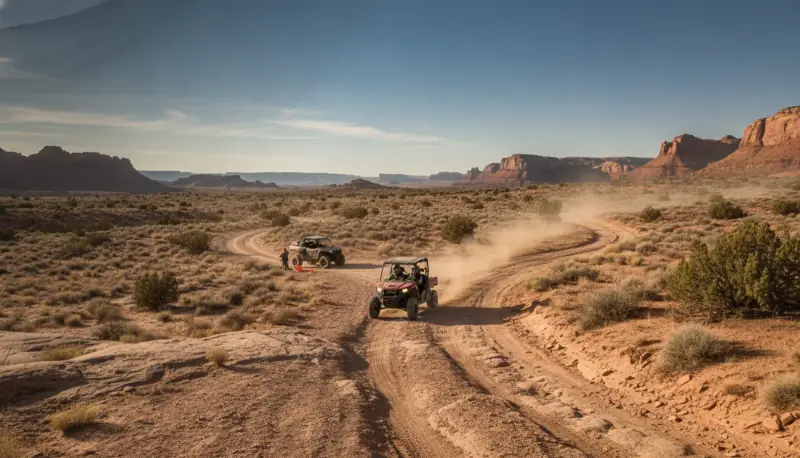
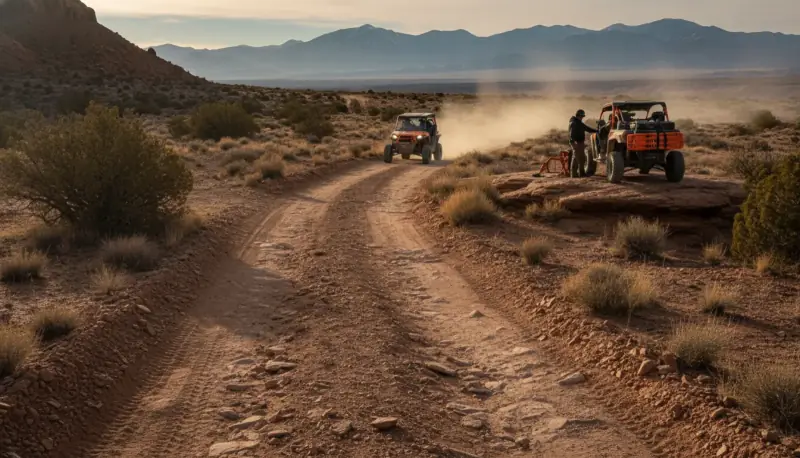
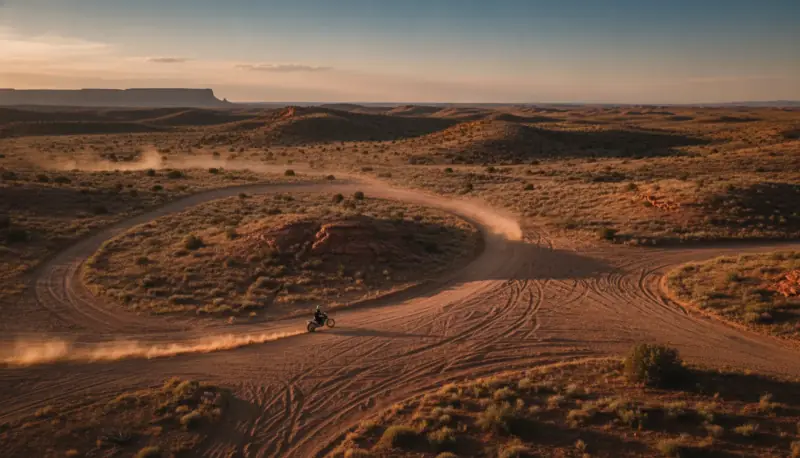
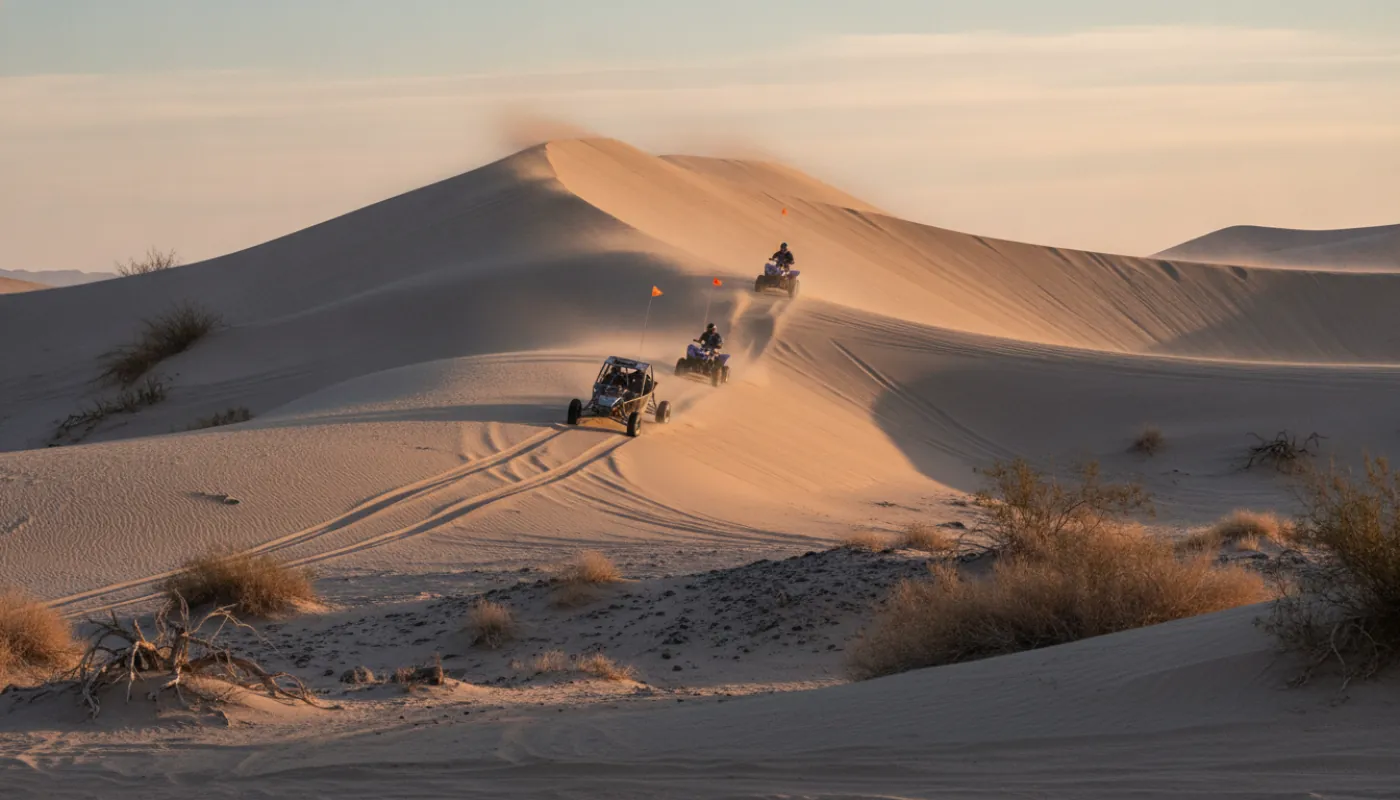
Glamis Sand Dunes (part of the Imperial Sand Dunes Recreation Area, which spans roughly 118,000 acres of open OHV riding across Imperial County desert), is one of the most-visited OHV areas in the country, drawing more than a million visitors a year. But those crowds thin considerably once September arrives. Fall and winter bring a completely different riding experience: one that demands respect, different vehicle setup, and a realistic understanding of seasonal hazards that most spring riders never encounter. If you've only ridden Glamis during the peak season, fall and winter conditions will test your judgment, your rig, and your preparation.
Glamis Season: Fall & Winter Timing
Glamis' shoulder seasons blur together, but the operational rhythm shifts clearly once the summer furnace breaks:
- September is still genuinely hot: afternoon highs routinely push past 100°F, and heat management remains a safety issue, not a comfort issue. What changes is the nights: evening cool becomes real, and the casual crowds that abandoned the dunes after Labor Day don't come back.
- October moderates but stays warm, average highs hover around 90, easing into the mid-80s late in the month. This is the start of the sweet spot: real riding weather without true winter's quirks.
- November is the transition month, wildly inconsistent, with swings of 30+ degrees between night and afternoon.
- December–February is the serious season: lows regularly dip into the 40s, occasional freezes hit hardpan areas, and moisture creeps in unpredictably. Dedicated enthusiasts and winter-proof rigs only; casual traffic goes sparse.
- March–April brings the warmth push and the spring crowds return en masse, the ISDRA permit season ends April 15.
Most hardcore riders and vehicle testers target October through early November for the combination of manageable temperatures and thinner traffic.
Trail Conditions by Season
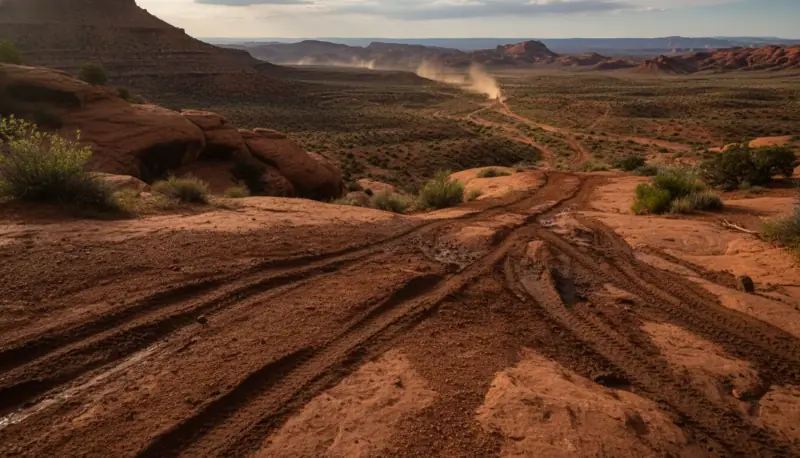
Early fall (September–October) presents the clearest conditions: summer heat bakes the sand hard, dust settles with little wind, and visibility is usually excellent. Your biggest variables are afternoon thermals, which create unpredictable wind shear in valleys and around larger dunes, and occasional dust storms triggered by distant monsoon remnants. The sand itself is hard-packed from months of baking: firmer traction than you'd expect, but also less give, so your rig handles more like hardpan than powder.
Late fall (November) introduces moisture volatility. Morning dew settles on sand, creating a crusty surface that softens quickly once the sun climbs. This transitional texture, crusty-then-soft, catches riders off guard. Afternoon winds pick up unpredictably, sometimes clearing visibility and sometimes turning a clear morning into a wall of fine silt by noon.
Winter (December–February) demands the most adaptation:
- Frozen patches. Cold nights freeze moisture into hardpack, especially in shadowed valleys and around camps where traffic has compacted the sand for weeks. They offer deceptive traction until a wheel catches hard and torques your suspension.
- Creeping moisture. Not rain (that's rare), but ground-level humidity that works into fuel tanks, air filters, and electrical connections.
- Inconsistent texture. Fine-silt sections alternate with hard flats, creating frequent bogging and sudden releases that test suspension tuning and driver anticipation.
- Glare and short days. Low-angle winter sun bounces hard off light sand, and dust devils form without warning as thermal differentials fight cooler stable air.
Vehicle Prep for Sand Dune Riding
Cooling system. Fall heat still stresses radiators; winter cold thickens coolant. Before the season, drain and flush the cooling system, check every hose clamp (sand vibration loosens them), and fill with coolant rated for the low end you'll actually see.
Suspension. Fall and winter riding demands fresh fluid in shocks and dampers, old fluid loses responsiveness in cold and allows harsh bottoming. Inspect bushings and ball joints for slack; sand gets inside everything, and movement creates voids that worsen with temperature cycling.
Tire pressure. Summer pressures work for hard-packed fall sand, but as the surface softens in late fall, drop 2–3 psi from your baseline. Winter temperature swings make pressure a moving target, a tire set to 12 psi at 50 degrees might read 10.5 after a cold night or 13.5 in afternoon sun. Carry a compressor and check mid-day.
Fuel system. Moisture intrusion is insidious in winter, water condenses in tanks during cold nights and sits until you run the engine. Buy fuel from sealed pumps rather than cans, add a fuel-system water absorber before winter trips, and check the fuel filter before you leave.
Permits, Rules & Access
Glamis sits on BLM land, and the document that matters is the ISDRA seasonal permit, not a state OHV pass. It's required October 1 through April 15, which is exactly the window this guide covers:
| Permit | Price (as of Oct 2025) |
|---|---|
| Weekly, bought off-site in advance | ~$55 |
| Weekly, bought on-site | ~$70 |
| Season | ~$185 |
One permit is required per primary (street-legal) vehicle, it's vehicle-specific and non-transferable, and off-site is the cheaper option, buy before you arrive. Your off-road machines still need current registration (a California OHV green/red sticker, or your home state's equivalent); rental and borrowed rigs complicate this, so verify before you leave camp.
Three ISDRA equipment rules riders regularly get wrong:
- Helmets are required for everyone on an ATV, and for all occupants of ROVs/UTVs, not just minors. BLM rules at Imperial Sand Dunes require an approved helmet regardless of age.
- A whip flag is mandatory equipment, not a rescue accessory. Every OHV must run a whip mast with a 6×12-inch red or orange flag, with the mast tip at least 8 feet off the ground. Install the mount before the trip.
- Spark arresters and working lights are required, you'll be riding near or after dusk in winter whether you plan to or not.
Area closures are rare but real, environmental surveys and military activity close sections several times a year, sometimes mid-season. Check the BLM's Imperial Sand Dunes page before each trip. The real winter constraint isn't closure, though; it's darkness. Sunset lands before 5:30 PM in December, so your riding window is compressed.
Essential Recovery & Safety Gear
Sand recovery demands different priorities than rock or mud:
- Traction boards, long enough to bridge your wheelbase, at least 40 inches for a UTV. Sand absorbs force instead of returning it, so you sink faster and dig deeper once wheels lose momentum.
- Kinetic rope or tree-saver strap, ~30 feet, rated for your vehicle's gross weight. Never chain; chain shock-loads and fails violently in sand.
- Portable air compressor, winter's best tool. Recovery often means deflating from 15 psi to 10 and crawling out rather than yanking. An onboard 12V unit means you adjust pressure without flagging down another rig.
- Satellite communicator (Garmin inReach, iPhone satellite SOS, or a PLB) plus a radio for group coordination, cell service is spotty beyond the main camps.
- Fuel margin, sand driving burns far more fuel than you expect, especially after a bogging. Top off before remote sections and lash down jerry cans.
- Eyes and hands, sealed goggles and spare glasses for fine silt, plus wash supplies; embedded sand causes infection if it isn't cleaned promptly.
- Extra water beyond personal consumption, your radiator may need topping from a can if you're running sustained climbs.