Off-Road Parks · Virginia
Off-Road Parks in Virginia
Ride 27 parks across Virginia. Maps, hours, contact info, photos, and verified operator profiles, all in one place.
Shenandoah, the Chesapeake, and the southern Appalachians.
About Virginia
Best time to go
When to ride in Virginia
April through November.
- March–May and September–November: the most comfortable riding
- Trails can be slick and rutted after heavy rain
- Summer: start early to beat heat and humidity
27 on the map
Tap a pin to open its profile.
Quick facts
- Trails mapped
- 552
- Parks listed
- 27
- Best season
- April through November
All listings
27 parks
across Virginia
Plan your trip
Plan your trip to Virginia
OHV Registration
Virginia has no statewide OHV registration or trail-use permit. Gas or diesel ATVs and off-road motorcycles over 50cc bought new on or after July 1, 2006 must be titled with the Virginia DMV, and individual trail systems (like Spearhead Trails) sell their own trail permits. Check with the DMV and the specific trail operator for details.
Public vs. Private Land
Most designated OHV trails are on public lands (e.g., National Forests) or within private off-road parks. Riding on private land without explicit permission is strictly prohibited.
Sound & Spark Arrestors
All OHVs are required to be equipped with a U.S. Forest Service approved spark arrestor. Sound limits may also apply, so ensure your vehicle meets state and local regulations.
Terrain & Trails
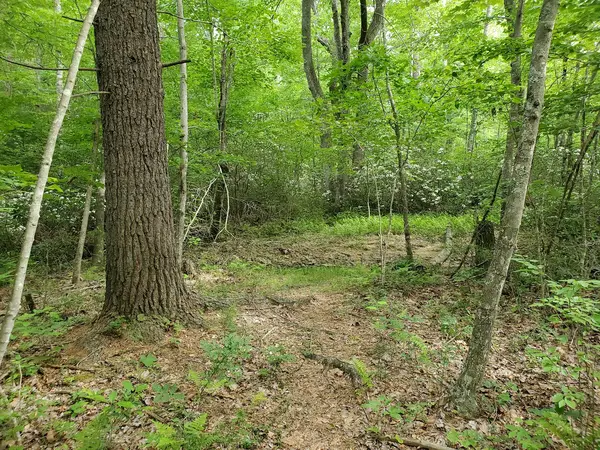
Virginia offers a mix of terrain, from rocky mountain trails in the west to muddy forest paths and some sandy sections in the coastal plain. Research specific park or trail systems to match your vehicle and skill level.
Seasonal Closures
Trails, especially in national forests, may experience seasonal closures due to heavy rain, snow, or mud conditions to prevent damage. Always verify trail status before planning your trip.
Confirm current requirements with the state agency before your trip. Rules and fees change every season.
OHV Registration/Permit
Virginia has no statewide OHV registration program and no state trail-use permit. Gas or diesel ATVs and off-road motorcycles over 50cc purchased new on or after July 1, 2006 must be titled with the Virginia DMV. Individual trail systems, such as Spearhead Trails, require their own trail permit, bought from the operator, not the state.
Age and Supervision Requirements
No one under 16 may operate an adult-size ATV in Virginia, children under 12 are limited to engines of 70cc or less, and those aged 12 to 15 to engines of 90cc or less. There are also specific age restrictions for operating certain types of OHVs, with minimum ages often set for ATVs based on engine size.
Safety Equipment
Riders of ATVs, UTVs, and dirt bikes are required to wear a DOT-approved helmet and eye protection when operating their vehicles. Other protective gear like gloves and sturdy footwear are highly recommended.
Spark Arrestor Requirement
All off-road vehicles must be equipped with a U.S. Forest Service approved spark arrestor in good working condition to prevent wildfires. This is a crucial safety and environmental regulation.
- 01
Step 1: Research Virginia's OHV Regulations
Get the legal groundwork done first: registration, permits, age rules, and required safety gear. Ten minutes of reading beats a turned-away trailer at the trailhead.
- 02
Step 2: Choose Your Riding Area
Match the destination to your machine and skill. Southwest Virginia delivers mountain trails; the Piedmont's private parks offer a more contained day. Pick the experience you actually want.
- 03
Step 3: Obtain Necessary Permits/Passes
Public trails, national forest systems especially, often require a trail pass or permit on top of OHV registration. Buy ahead or at a designated vendor so it's sorted before you arrive.
- 04
Step 4: Prepare Your Vehicle and Gear
Sound machine, working spark arrestor, tires suited to the terrain you chose. Then load the safety gear, tools, and emergency supplies, mountain trails don't come with roadside assistance.
- 05
Step 5: Check Trail Conditions and Weather
Verify trail status right before you go: weather, maintenance, and closures can change the map on short notice. Read the forecast the same morning, because up in the mountains it can be wrong by noon.
01Do I need a special license to ride an OHV in Virginia?
02Are there age restrictions for OHV operators in Virginia?
03What safety gear is required for off-roading in Virginia?
04Can I ride my OHV on public roads in Virginia?
05What kind of terrain can I expect on Virginia's OHV trails?
06Are there any environmental regulations I should be aware of?
Free tools
Your free outdoor toolkit

Everything Map
Listings, trails, spots, clubs and public land on a single full-screen map. Switch layers on and off, then tap any point for the details.
Open Everything MapTrail Explorer
Browse a community map of named trails with distance, difficulty, and where each one starts.
Open Trail ExplorerRoute Planner
Drop stops on a map and watch distance and drive time add up. Export a GPX or share the link.
Open Route PlannerOff-Road Clubs
Browse local clubs with meeting info and how to join, or start your own for free.
Open Off-Road ClubsGear Checklists
Printable, save-as-you-go packing lists. Tick items off and pull them up on your phone.
Open Gear ChecklistsMaintenance Schedules
Pick your machine and get its full service schedule. Add your hours to turn intervals into dates.
Open Maintenance Schedules

Keep exploring