Off-Road Parks · California
Off-Road Parks in California
Ride 51 parks across California. Maps, hours, contact info, photos, and verified operator profiles, all in one place.
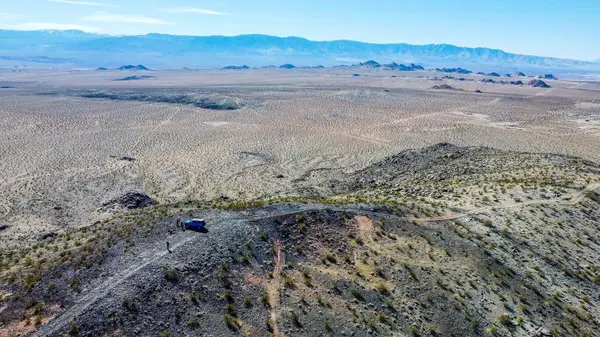
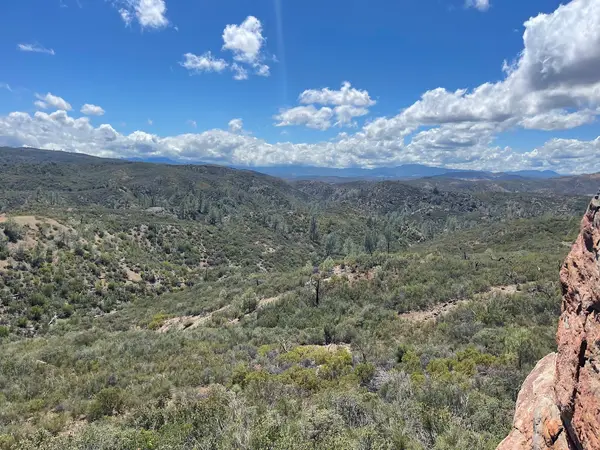
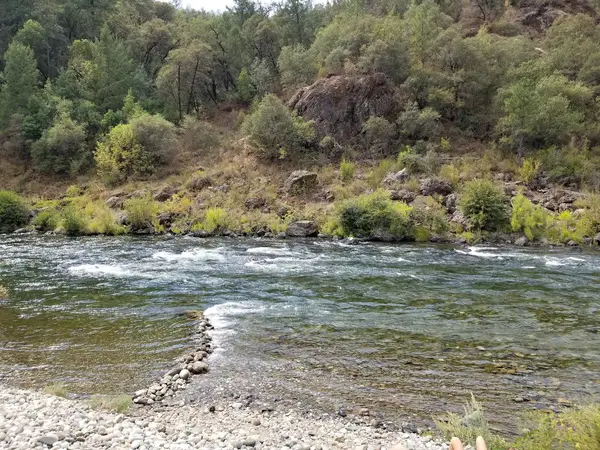
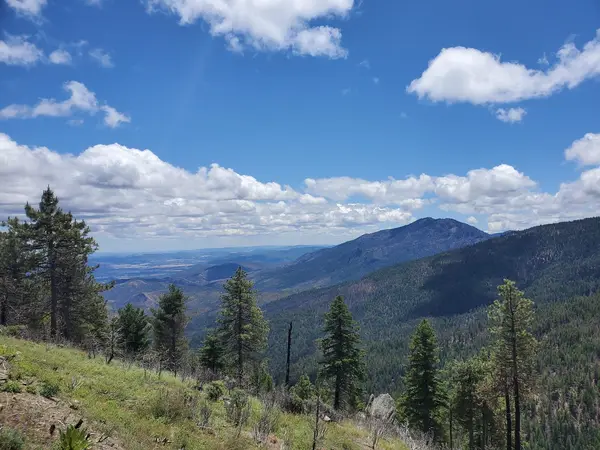
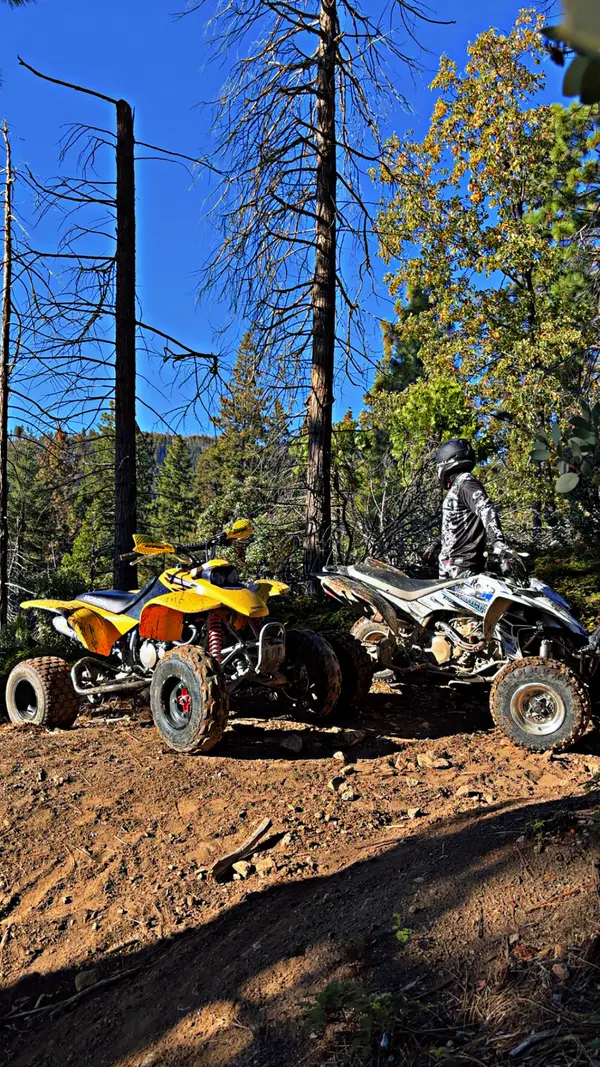
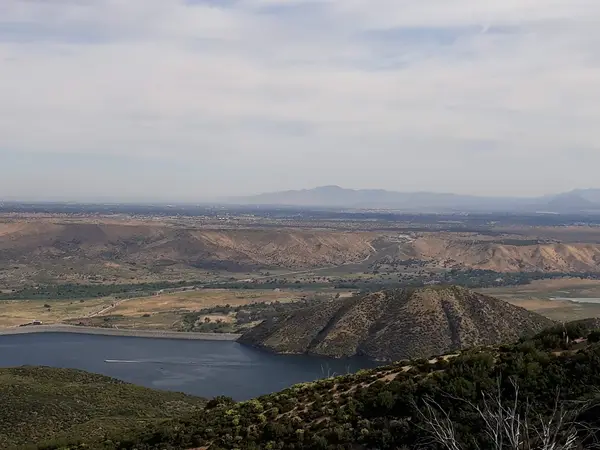
Coastline, Sierras, deserts, and redwoods. Every outdoor environment in one state.
About California
Best time to go
When to ride in California
Year-round. Conditions vary dramatically by region.
- June–October: the driest, firmest riding
- Winter rain makes forest trails muddy, but coastal dunes still ride
- Check fire-season restrictions in late summer
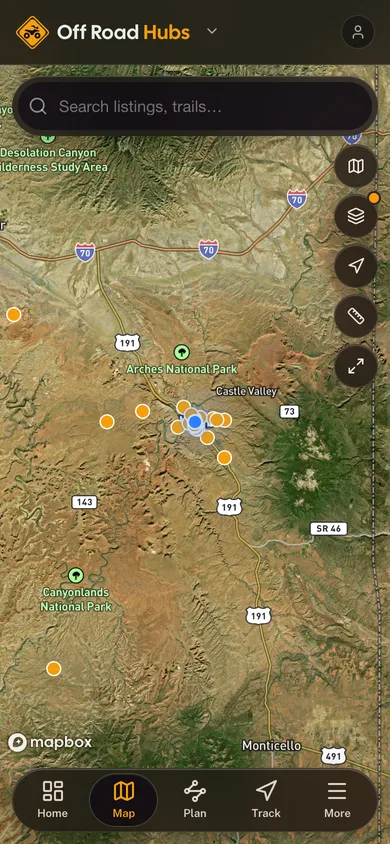
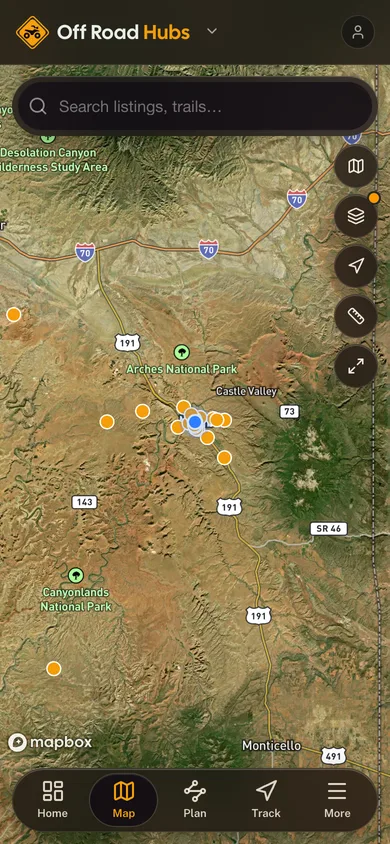
51 on the map
Tap a pin to open its profile.
Quick facts
- Trails mapped
- 982
- Parks listed
- 51
- Best season
- Year-round
All listings
51 parks
across California

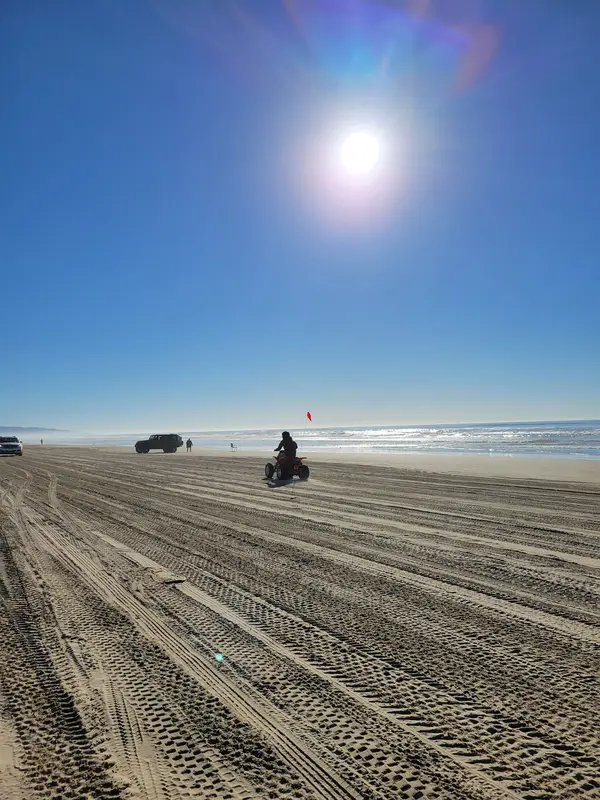
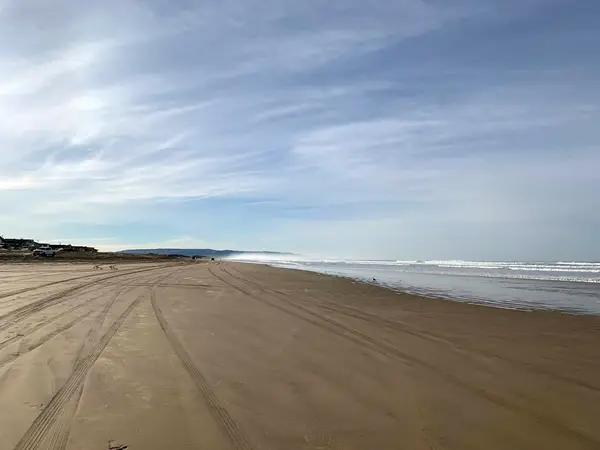
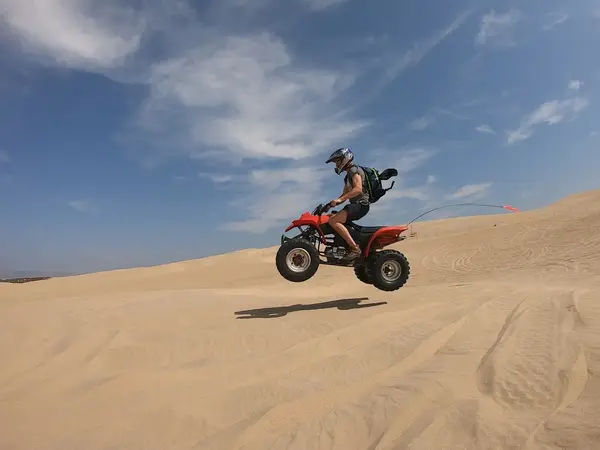
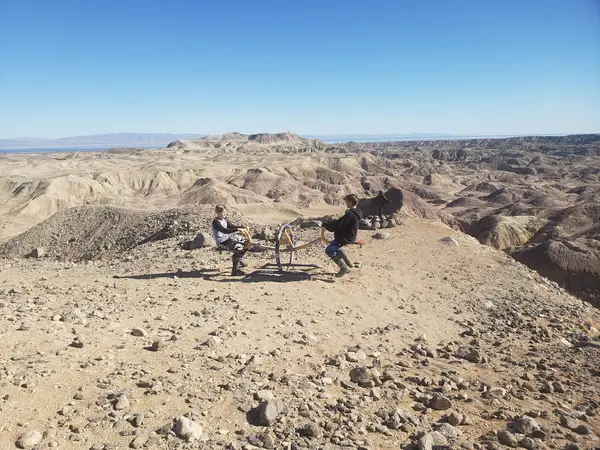
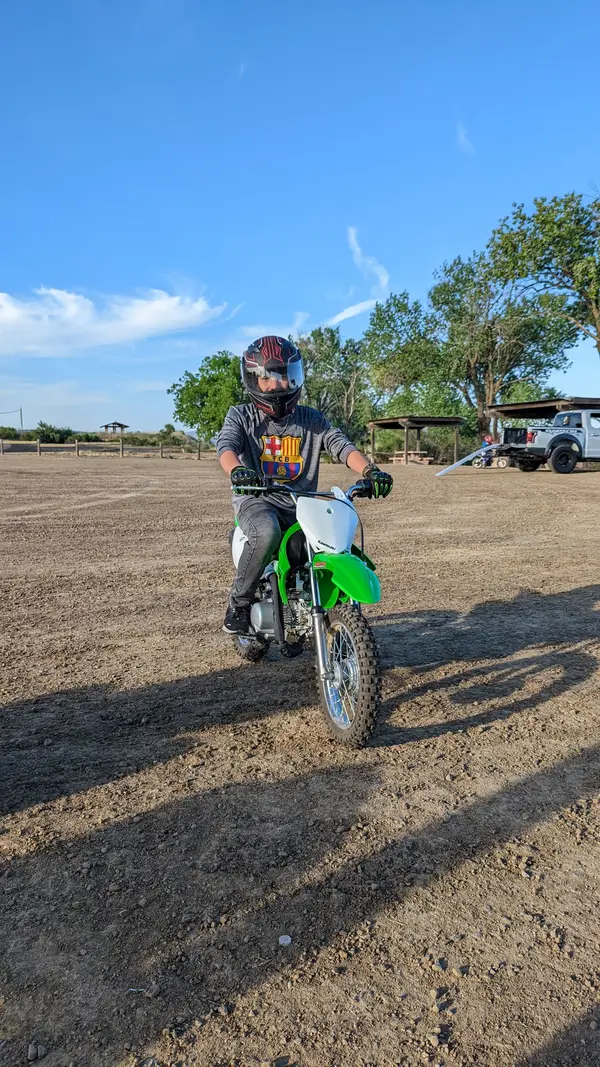
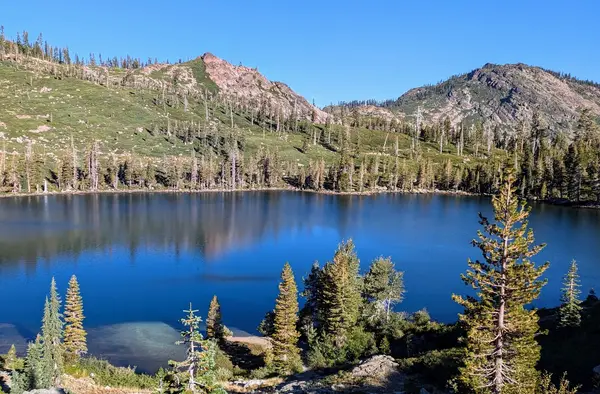
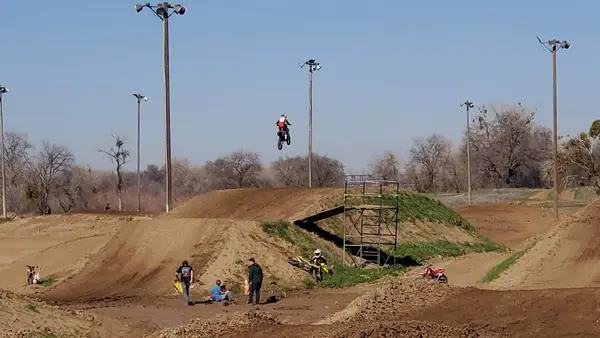
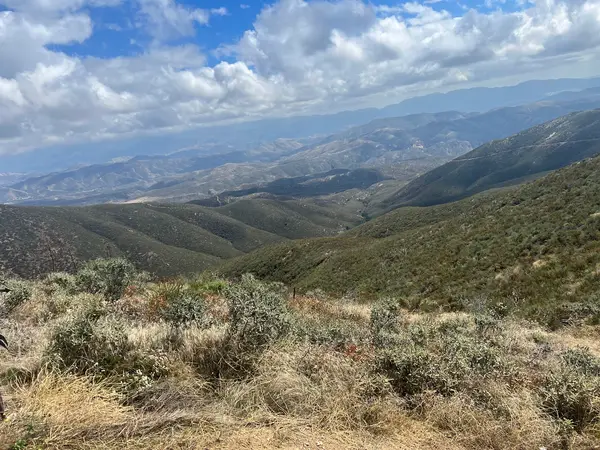
Watch it live
Live webcams in California
 Location
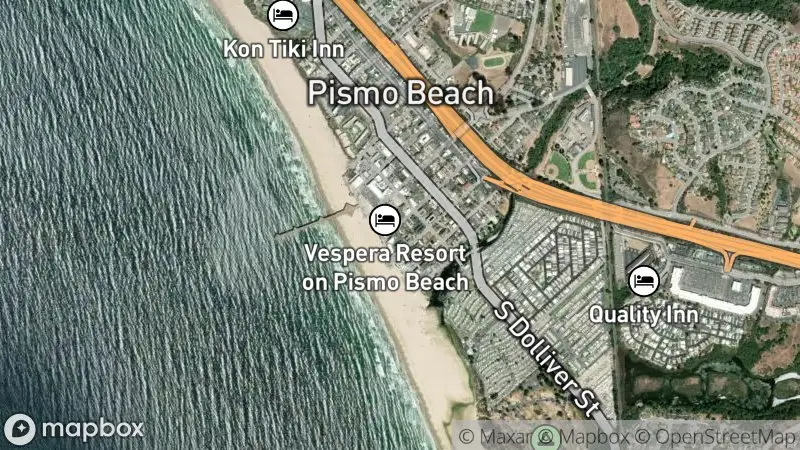
Pismo Beach Pier Cam (Oceano Dunes gateway)
via Experience Pismo Beach (CVB)
Watch live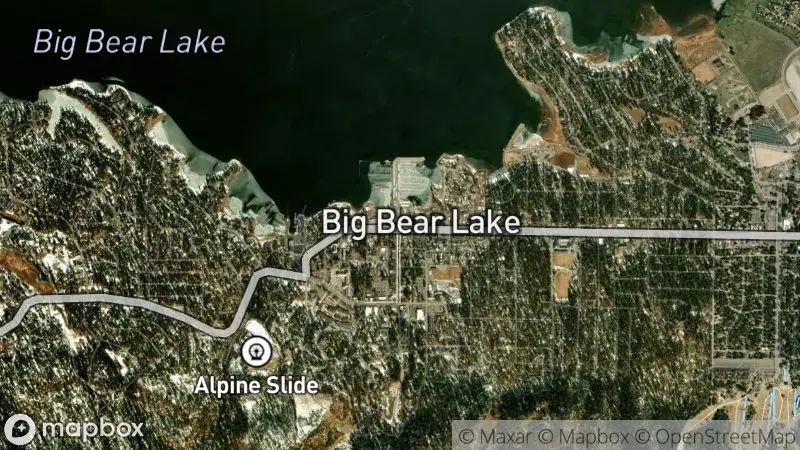 Location
Big Bear Lake Webcams
via Getboards Ride Shop, Big Bear Lake
Watch livePlan your trip
Plan your trip to California
OHV Registration (Green/Red Sticker)
Most off-highway vehicles in California require either a Green Sticker or Red Sticker for operation on public lands. As of January 1, 2025, both Green Sticker and Red Sticker OHVs may be ridden year-round on public lands, the old seasonal Red Sticker restriction was lifted. Newer machines that don't meet CARB emission standards are now classed as 'Competition' and limited to private land or sanctioned events. Out-of-state OHVs must also comply with California's non-resident OHV permit requirements.
Spark Arrestors and Sound Limits
All OHVs operating on public land must be equipped with a U.S. Forest Service approved spark arrestor. Additionally, vehicles must meet specific sound emission limits, which vary by vehicle type and model year. Excessive noise can lead to citations and is a major concern for land managers.
Terrain Variety and Preparation
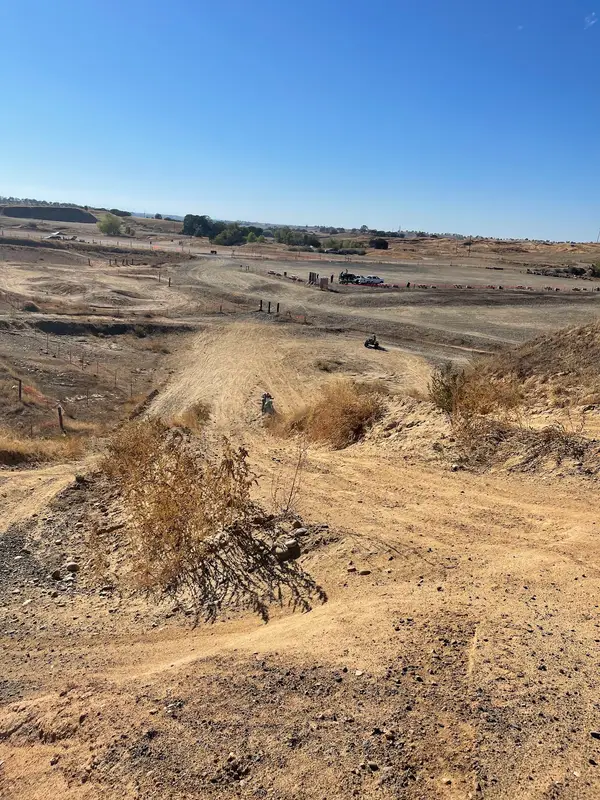
California offers diverse terrain including deep sand dunes, technical rock crawling, muddy forest trails, and open desert washes. Riders should prepare their vehicle and themselves for the specific conditions of their chosen area, including appropriate tires, suspension, and recovery gear. Carrying sufficient water and communication devices is crucial in remote desert regions.
Seasonal and Fire-Related Closures
Many trails, especially in national forests and higher elevations, are subject to seasonal closures due to snow, mud, or wildlife protection. During dry periods, fire restrictions and full area closures are common, particularly in Southern California and the Sierra Nevada. Always check local conditions and restrictions before heading out.
Public vs. Private Land Access
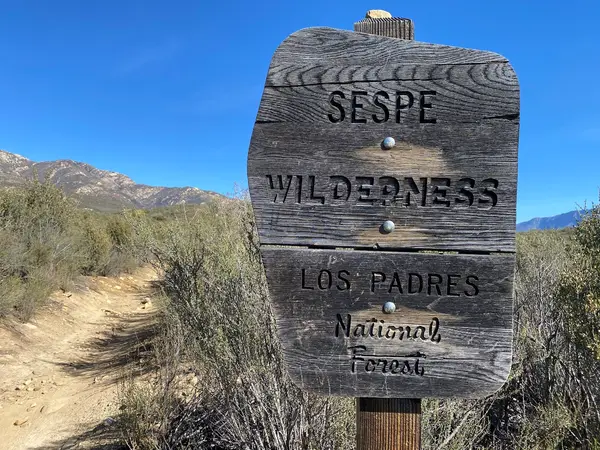
Off-road riding is generally permitted on designated trails within State Vehicular Recreation Areas (SVRAs), National Forests, and Bureau of Land Management (BLM) lands. Private land requires explicit permission from the landowner. Trespassing is strictly enforced and can result in significant penalties.
Confirm current requirements with the state agency before your trip. Rules and fees change every season.
OHV Registration and Non-Resident Permits
All OHVs operated on public lands in California must be registered with the California Department of Motor Vehicles (DMV) and display a valid Green or Red Sticker. Non-resident OHV users must obtain a California Non-Resident OHV Use Permit, which is valid through December 31 of the year it is purchased.
Spark Arrestor and Sound Requirements
Every OHV operated on public lands must be equipped with a U.S. Forest Service approved spark arrestor that is properly maintained. Additionally, vehicles must comply with state-mandated sound limits; for most OHVs this means 96 dB(A) for machines manufactured in 1986 or later and 101 dB(A) for older ones, measured at 20 inches under the SAE J1287 test.
Safety Helmets and Age Restrictions
All riders and passengers on ATVs, dirt bikes, and other two-wheeled OHVs must wear a U.S. DOT compliant safety helmet, on public lands California requires it at every age, not just for those under 18. Operators under 18 must complete an approved ATV safety course or ride under the direct supervision of an adult who holds a safety certificate; those under 14 must additionally be under the direct supervision of a parent, guardian, or authorized adult.
Safety Flags in Dune Areas
When riding in designated open desert and dune areas, such as the Imperial Sand Dunes or Oceano Dunes SVRA, all OHVs must display a whip flag. The flag must be at least eight feet from the ground to the top of the flag, which helps improve visibility in undulating terrain.
- 01
Research Your Destination
Match the area to your machine and your skill, Glamis sand and Sierra rock are different sports. State and federal land management sites carry the maps, current conditions, and area-specific rules and closures.
- 02
Verify Vehicle Compliance
Green Sticker, Red Sticker, or non-resident permit, have the right one, displayed. Confirm the USFS-approved spark arrestor and sound compliance, then go through tires, brakes, and fluids before loading up.
- 03
Prepare Safety Gear and Supplies
Helmet, eye protection, gloves: then the survival layer: first-aid kit, water, food, navigation, and a communication device. A tire repair kit and basic tools earn their space the first time you need them.
- 04
Understand Local Regulations
Each area has its own fine print: speed limits, designated riding zones, whip-flag requirements in the dunes. Read it before you ride, and follow 'Tread Lightly!' principles everywhere.
- 05
Plan Your Route and Share It
Study the trail map, flag the hazards and hard sections, and leave your itinerary, with an expected return time, with someone staying home. In remote country, that's your safety net.
01What is the difference between a Green Sticker and a Red Sticker?
02Do I need a special license to operate an OHV in California?
03Are there any age restrictions for OHV operators?
04Can I ride my OHV on any public land in California?
05What are common reasons for trail closures in California?
06Are spark arrestors and sound limits strictly enforced?
Free tools
Your free outdoor toolkit

Everything Map
Listings, trails, spots, clubs and public land on a single full-screen map. Switch layers on and off, then tap any point for the details.
Open Everything MapTrail Explorer
Browse a community map of named trails with distance, difficulty, and where each one starts.
Open Trail ExplorerRoute Planner
Drop stops on a map and watch distance and drive time add up. Export a GPX or share the link.
Open Route PlannerOff-Road Clubs
Browse local clubs with meeting info and how to join, or start your own for free.
Open Off-Road ClubsGear Checklists
Printable, save-as-you-go packing lists. Tick items off and pull them up on your phone.
Open Gear ChecklistsMaintenance Schedules
Pick your machine and get its full service schedule. Add your hours to turn intervals into dates.
Open Maintenance Schedules