Off-Road Parks · South Carolina
Off-Road Parks in South Carolina
Ride 22 parks across South Carolina. Maps, hours, contact info, photos, and verified operator profiles, all in one place.
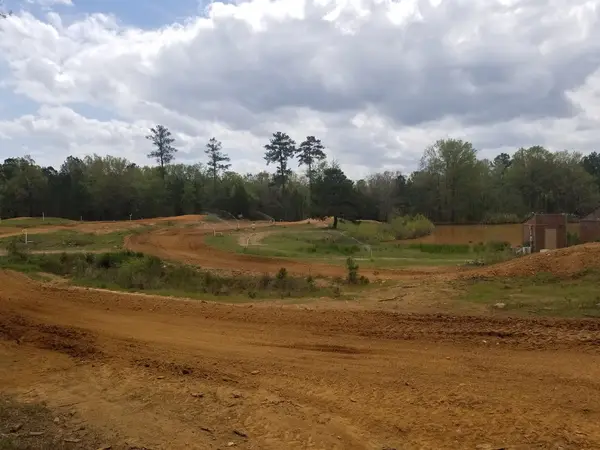
Lowcountry marsh, the Blue Ridge escarpment, and Atlantic barrier islands.
About South Carolina
Best time to go
When to ride in South Carolina
October through May.
- March–May and September–November: the most comfortable riding
- Trails can be slick and rutted after heavy rain
- Summer: start early to beat heat and humidity
22 on the map
Tap a pin to open its profile.
Quick facts
- Trails mapped
- 111
- Parks listed
- 22
- Best season
- October through May
All listings
22 parks
across South Carolina
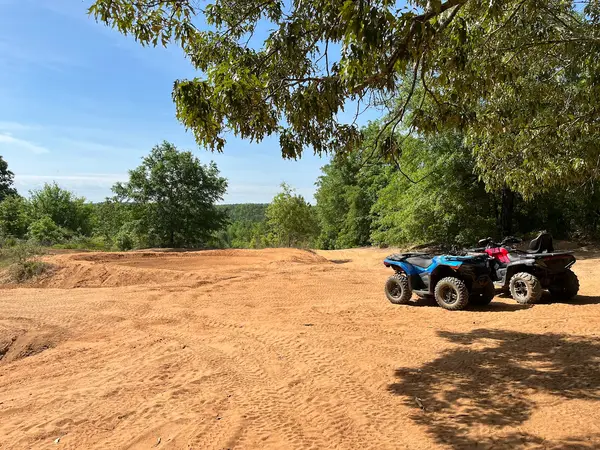
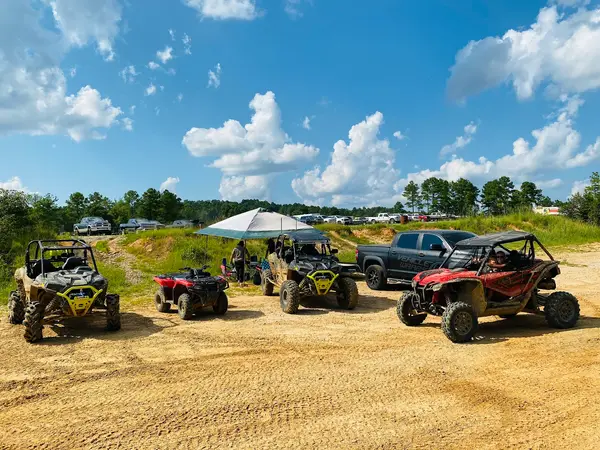
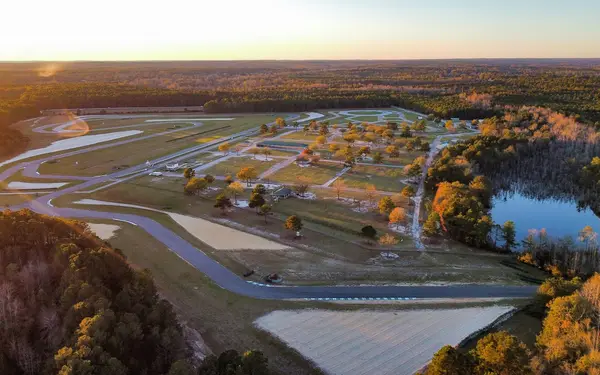
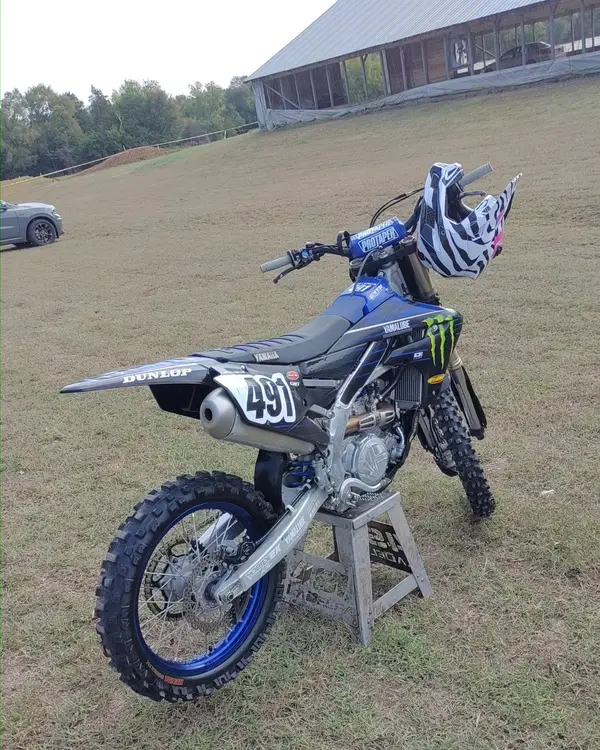
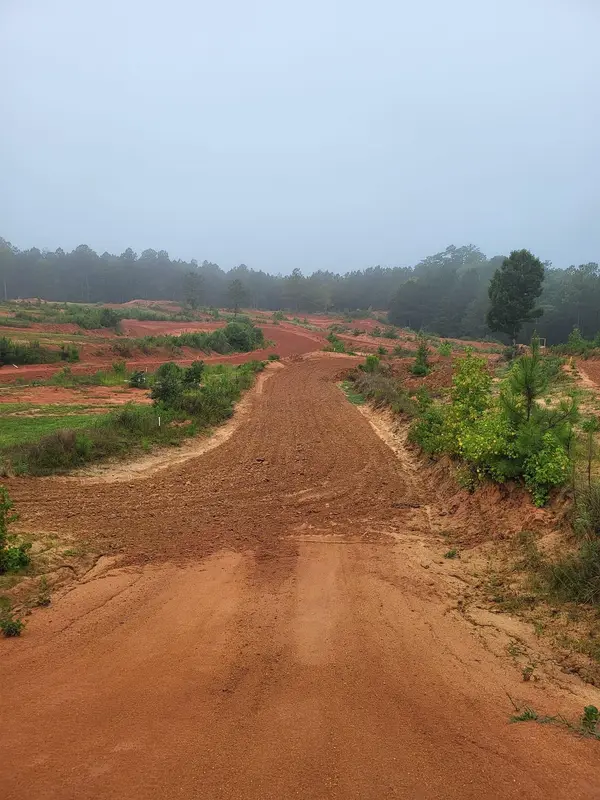
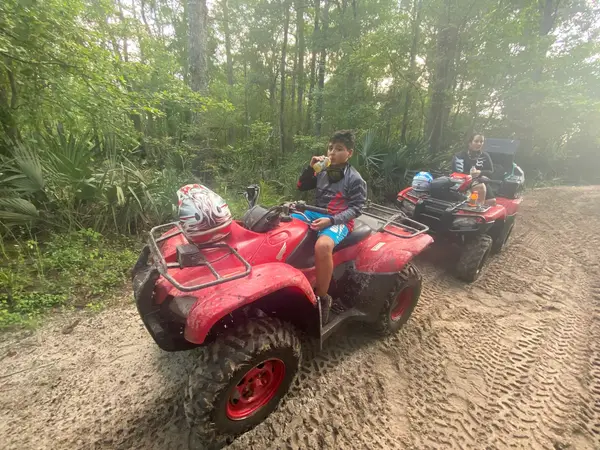
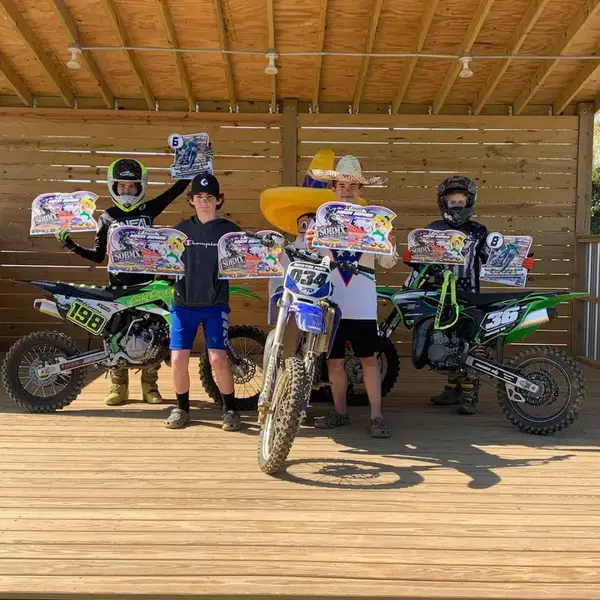
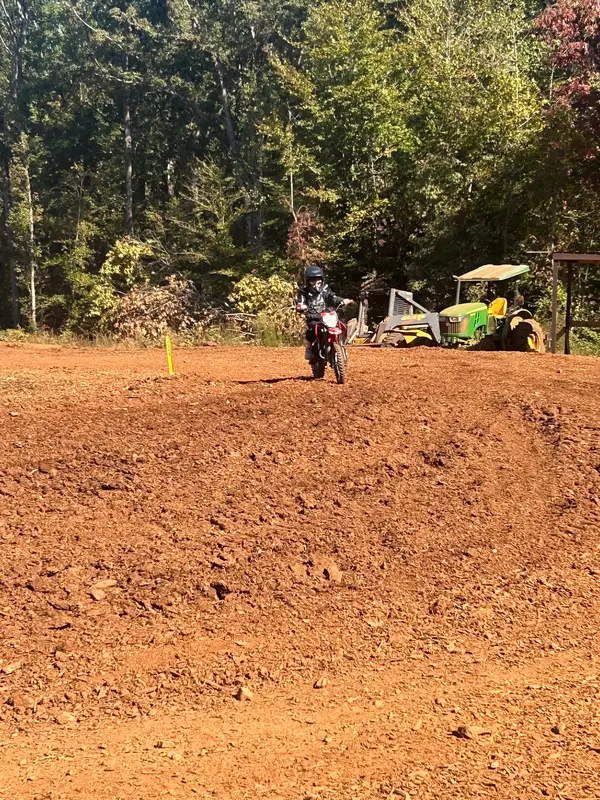
Plan your trip
Plan your trip to South Carolina
OHV Registration and Trail Passes
While South Carolina does not have a statewide OHV registration system for recreational use, many public lands, such as national forests, require a specific permit or trail pass. Private parks will have their own entry fees and membership requirements. Always verify requirements with the specific park or land management agency before visiting.
Public vs. Private Land Access
The majority of dedicated off-road riding (OHV trails, parks, and OHV areas) in South Carolina occurs on privately owned and operated parks. Public land access is more limited and subject to strict regulations, often requiring specific permits and adherence to designated trail systems to protect natural resources.
Sound and Spark Arrestor Rules
All off-highway vehicles operating in South Carolina, particularly on public lands or within regulated private parks, are generally required to be equipped with an approved spark arrestor. Many parks also enforce sound level limits to minimize noise pollution; check with your chosen riding area for specific decibel restrictions.
Terrain Variety
Riders will encounter a range of terrain. The Lowcountry offers sandy, often wet, trails, while the Piedmont and Upstate feature dirt, mud, and some rocky sections, particularly in the foothills. Prepare your vehicle and tires accordingly for the specific region you plan to ride in.
Seasonal Trail Closures
While snow closures are rare, trails in South Carolina may experience temporary closures due to heavy rainfall, leading to excessive mud or flooding, especially in low-lying areas. Fire restrictions can also be implemented during dry periods. Always check trail status before heading out.
Confirm current requirements with the state agency before your trip. Rules and fees change every season.
OHV Operation Age Limits
Under South Carolina's ATV Safety Act (Chandler's Law), a rider sixteen or younger must be accompanied by an adult, and one fifteen or younger must also hold a state-approved ATV safety certificate and wear both a helmet (FMVSS 218) and eye protection; children under six may not operate at all. Those requirements are waived only for a minor riding on private property under a parent's or guardian's direct visual supervision. Private parks may set stricter rules on top.
Safety Equipment Requirements
While South Carolina state law mandates both a helmet (FMVSS 218) and eye protection for riders under 16, many off-road parks and public-land areas strongly recommend or require helmets for all riders, regardless of age. Eye protection, gloves, and sturdy footwear are also highly recommended for safety.
Spark Arrestor Compliance
All off-highway vehicles (OHVs) operated in South Carolina on any public land or designated off-road riding (OHV trails, parks, and OHV areas) must be equipped with a U.S. Forest Service approved spark arrestor. This is a critical safety measure to prevent wildfires, particularly during dry seasons.
Designated Trail Use
Off-road vehicles are strictly prohibited from operating on public roads or highways unless specifically designated and marked for such use. Riding is permitted only on designated OHV trails, parks, and OHV areas. Trespassing on private property is illegal and strictly enforced.
- 01
1. Research Off-Road Parks and Trails
Start with the parks and designated OHV areas that fit your machine and your skill. Since most South Carolina riding lives at private parks, their websites are the source of truth for hours, fees, and trail types.
- 02
2. Verify Vehicle and Rider Requirements
Confirm registration, permit, and safety-gear rules before you load the trailer: spark arrestors, helmets, and age limits all vary by location, and a missing item can end the day at the gate.
- 03
3. Prepare Your Vehicle and Gear
Get the machine dialed and put tires on it that match the ground, sand and red clay want different things. Pack safety gear, a first-aid kit, water, and trail tools, and assume the weather will change on you.
- 04
4. Plan Your Route and Inform Others
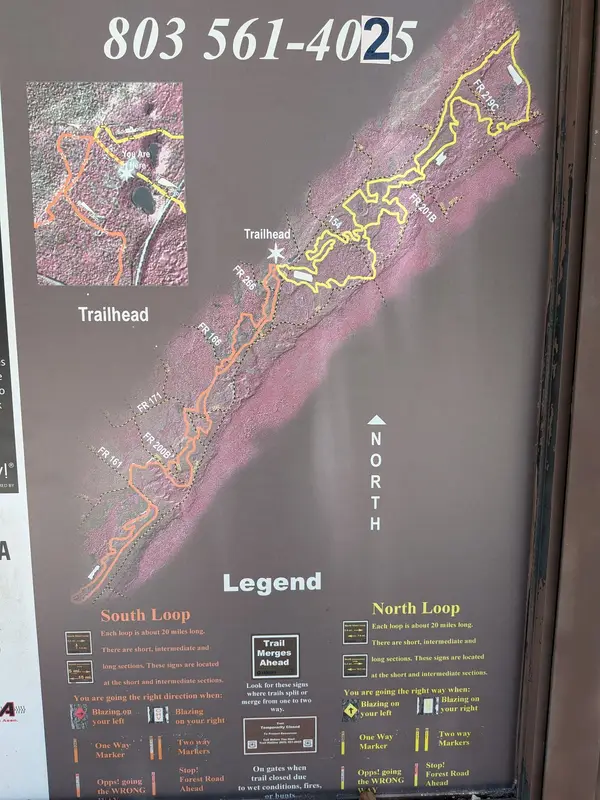
Study the trail map before you ride it. Then tell someone staying home where you're going and when you'll be back, the simplest safety habit is still the best one.
- 05
5. Understand Local Rules and Etiquette
Read the posted rules when you arrive, follow the trail markers, give wildlife room, and pack out what you pack in. The trails stay open because riders treat them that way.
01How many off-road parks are in South Carolina?
02Are helmets required for off-road riding in South Carolina?
03Can I ride my OHV on public roads in South Carolina?
04What types of terrain can I expect when off-roading in South Carolina?
05Do I need a special license or permit to ride an OHV in South Carolina?
06Are there age restrictions for operating an OHV in South Carolina?
07Are spark arrestors required on OHVs in South Carolina?
Free tools
Your free outdoor toolkit

Everything Map
Listings, trails, spots, clubs and public land on a single full-screen map. Switch layers on and off, then tap any point for the details.
Open Everything MapTrail Explorer
Browse a community map of named trails with distance, difficulty, and where each one starts.
Open Trail ExplorerRoute Planner
Drop stops on a map and watch distance and drive time add up. Export a GPX or share the link.
Open Route PlannerOff-Road Clubs
Browse local clubs with meeting info and how to join, or start your own for free.
Open Off-Road ClubsGear Checklists
Printable, save-as-you-go packing lists. Tick items off and pull them up on your phone.
Open Gear ChecklistsMaintenance Schedules
Pick your equipment and get its full service schedule. Add your usage to turn intervals into dates.
Open Maintenance Schedules

Keep exploring