Off-Road Parks · North Carolina
Off-Road Parks in North Carolina
Ride 31 parks across North Carolina. Maps, hours, contact info, photos, and verified operator profiles, all in one place.
Outer Banks, the Smokies, and the longest segment of the Blue Ridge.
About North Carolina
Best time to go
When to ride in North Carolina
April through November.
- March–May and September–November: the most comfortable riding
- Trails can be slick and rutted after heavy rain
- Summer: start early to beat heat and humidity
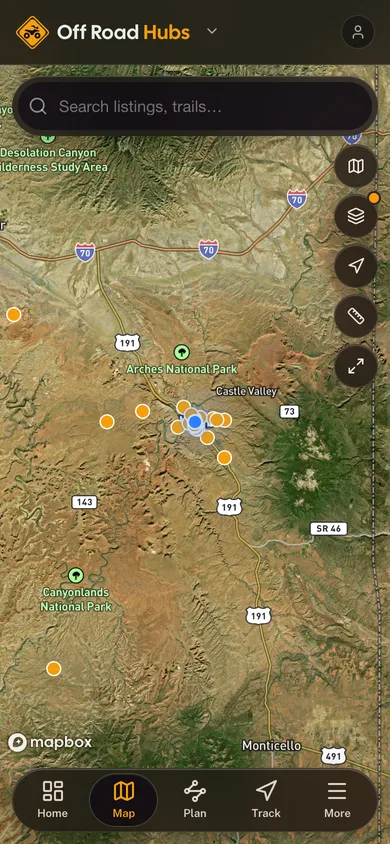
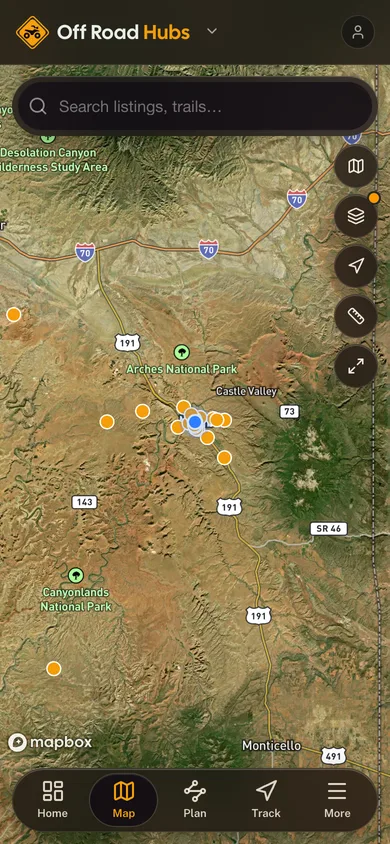
31 on the map
Tap a pin to open its profile.
Quick facts
- Trails mapped
- 253
- Parks listed
- 31
- Best season
- April through November
All listings
31 parks
across North Carolina


Plan your trip
Plan your trip to North Carolina
OHV Registration and Trail Passes
While North Carolina does not have a statewide OHV registration requirement for private land use, vehicles operating on designated public trails, such as those in the Uwharrie National Forest, typically require a specific trail pass or permit. These passes are often available for purchase on-site or through authorized vendors.
Public vs. Private Land Access
Most extensive off-road riding opportunities in North Carolina are found within national forests or private OHV parks. Riding on private land requires explicit permission from the landowner. Unauthorized riding on private property or non-designated public lands is prohibited and subject to penalties.
Sound and Spark Arrestor Rules
All off-road vehicles operating on public lands or in organized parks are generally required to be equipped with a U.S. Forest Service-approved spark arrestor to prevent wildfires. Sound limits may also be enforced, especially in areas near residential zones; verify specific decibel limits with the operating authority of your chosen riding location.
Terrain Variety and Vehicle Suitability
North Carolina offers a mix of terrain, including rocky mountain trails, forested dirt paths, and sandy sections. Riders should assess their vehicle's capabilities and prepare for the specific terrain type of their chosen destination. Muddy conditions are common after rain, particularly in forested areas.
Seasonal Trail Closures and Restrictions
Certain trails, particularly in the mountainous regions, may be subject to seasonal closures due to weather conditions like heavy snow, excessive mud, or for wildlife protection. Fire restrictions can also be implemented during dry periods. Always check with the relevant land management agency or park operator for current status updates before your trip.
Confirm current requirements with the state agency before your trip. Rules and fees change every season.
OHV Trail Pass/Permit
For riding on designated public OHV trails within national forests, a specific trail pass or permit is required. These are typically purchased for a daily, seasonal, or annual period. Verify the current pass requirements and purchase locations with the specific national forest or park you plan to visit.
USDA Forest ServiceSafety Equipment Requirements
Under North Carolina's ATV Safety Act, riders under 18 must wear a DOT-approved safety helmet and eye protection when operating an ATV off-road; on public streets, highways, or public vehicular areas, all riders regardless of age must wear both. Specific requirements for safety gear may vary slightly between public lands and private parks, so always confirm with the operating entity.
Age Restrictions for OHV Operators
North Carolina law stipulates age restrictions for operating OHVs on public lands or roads. Generally, operators under 16 years old must be supervised by an adult and may be restricted to certain types of vehicles or areas. Private parks often have their own specific age and supervision policies; verify directly with the park.
Vehicle Sound and Spark Arrestor
All off-road vehicles must be equipped with a U.S. Forest Service-approved spark arrestor when operating on national forest land to prevent wildfires. Exhaust systems must also meet noise emission standards, typically not exceeding 96 decibels for off-highway motorcycles and 99 decibels for ATVs/UTVs.
- 01
Research Designated Riding Areas
Pick the park or national forest trail system that fits your machine and your skill level. Official websites and the land management agencies themselves are the reliable sources for access, hours, and amenities.
- 02
Understand State and Local Regulations
Learn North Carolina's OHV rules before you load up: trail passes, required safety gear, spark arrestors. Then check the specific park or forest you're visiting, since each layers on its own requirements.
- 03
Prepare Your Vehicle and Gear
Go over the ATV, UTV, dirt bike, or truck before the trip, and confirm the spark arrestor is fitted and working. Helmets, eye protection, and a first-aid kit ride along every time.
- 04
Plan Your Route and Check Conditions
Study the trail map and be honest about route difficulty. Then check current conditions (weather, mud, snow, fire restrictions), because a trail that was open last month may not be open today.
- 05
Ride Responsibly and Respect the Environment
Stay on marked trails, pack out what you bring, and give other trail users and wildlife room. Keep your speed reasonable. Trail access in this state survives on riders who treat it like something worth keeping.
01Are there any age restrictions for riding ATVs or UTVs in North Carolina?
02Do I need a special license or permit to ride off-road in North Carolina?
03What kind of terrain can I expect when off-roading in North Carolina?
04Are spark arrestors required on off-road vehicles?
05Can I ride my OHV on public roads in North Carolina?
06What is the best time of year to go off-roading in North Carolina?
Free tools
Your free outdoor toolkit

Everything Map
Listings, trails, spots, clubs and public land on a single full-screen map. Switch layers on and off, then tap any point for the details.
Open Everything MapTrail Explorer
Browse a community map of named trails with distance, difficulty, and where each one starts.
Open Trail ExplorerRoute Planner
Drop stops on a map and watch distance and drive time add up. Export a GPX or share the link.
Open Route PlannerOff-Road Clubs
Browse local clubs with meeting info and how to join, or start your own for free.
Open Off-Road ClubsGear Checklists
Printable, save-as-you-go packing lists. Tick items off and pull them up on your phone.
Open Gear ChecklistsMaintenance Schedules
Pick your machine and get its full service schedule. Add your hours to turn intervals into dates.
Open Maintenance Schedules

Keep exploring