Off-Road Parks · Florida
Off-Road Parks in Florida
Ride 32 parks across Florida. Maps, hours, contact info, photos, and verified operator profiles, all in one place.
Saltwater flats, springs, and the largest subtropical wilderness in the US.
About Florida
Best time to go
When to ride in Florida
October through May. The wet season runs hot and humid from June through September.
- March–May and September–November: the most comfortable riding
- Trails can be slick and rutted after heavy rain
- Summer: start early to beat heat and humidity
32 on the map
Tap a pin to open its profile.
Quick facts
- Trails mapped
- 629
- Parks listed
- 32
- Best season
- October through May
All listings
32 parks
across Florida
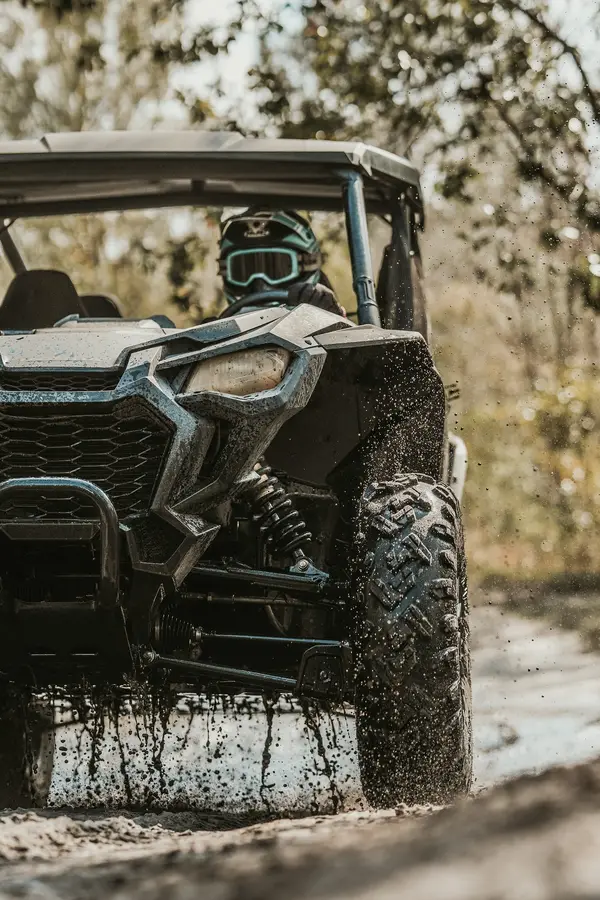
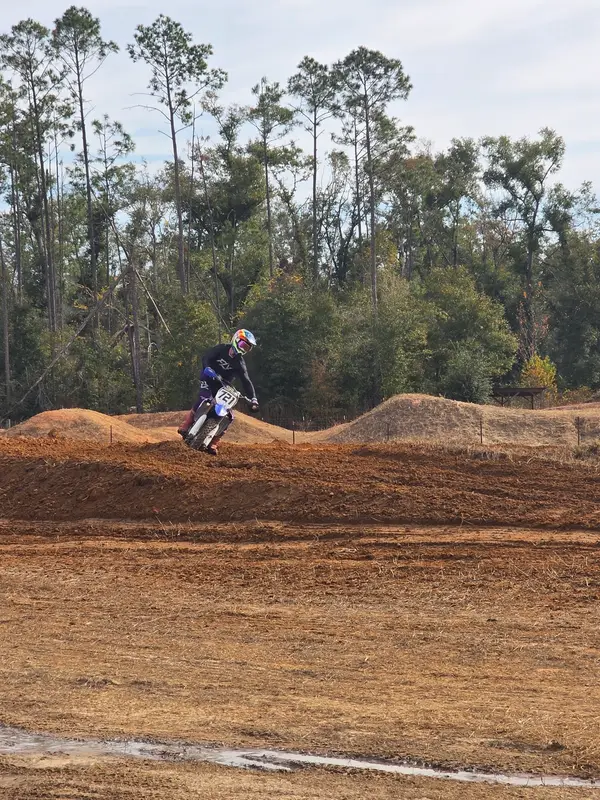
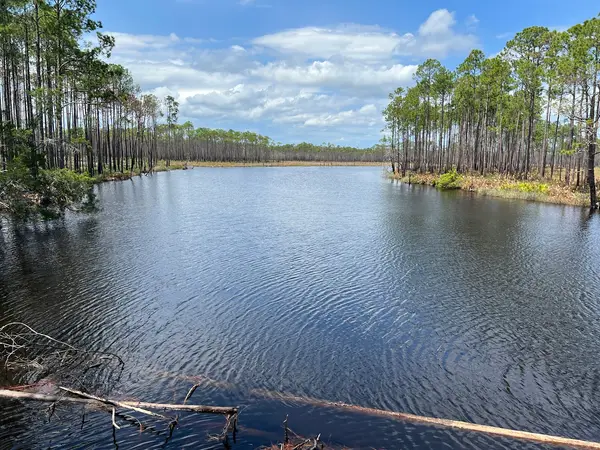
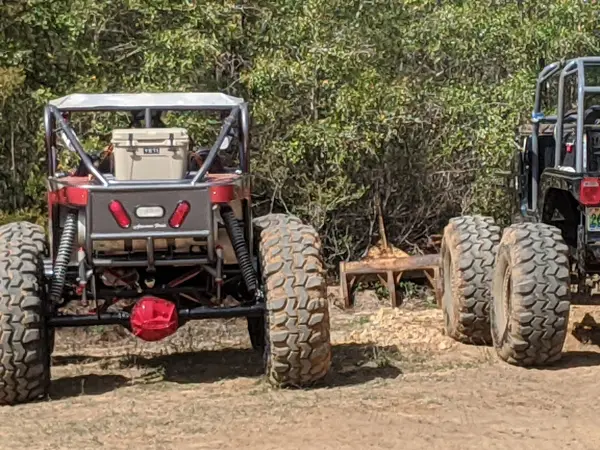
Plan your trip
Plan your trip to Florida
OHV Registration/Trail Passes
While Florida does not require state-wide OHV registration for private land use, public land areas like National Forests often require a specific trail pass or permit. Always check with the specific park or forest service.
Public vs. Private Land
Access rules vary significantly between public lands (National Forests, State Forests) and private off-road parks. Public lands typically have stricter regulations on vehicle types, designated trails, and operating hours.
Sound and Spark Arrestors
Most public and private riding areas mandate approved spark arrestors on all OHVs to prevent wildfires. Sound limits may also apply, so ensure your exhaust system complies with local rules.
Terrain Variety
Florida's primary terrains are deep sugar sand and mud. Be prepared for both, as conditions can change rapidly, especially after rain. Rock crawling is rare outside of purpose-built private park features.
Seasonal Closures
While snow is not a factor, certain trails, especially in National Forests, may experience temporary closures due to heavy rainfall, flooding, or prescribed burns. Always check current conditions before heading out.
Confirm current requirements with the state agency before your trip. Rules and fees change every season.
OHV Registration & Decals
Off-highway vehicles (OHVs) operated on public lands in Florida, such as National Forests, typically require a state-issued OHV decal. This decal signifies compliance with state OHV laws. OHVs used exclusively on private property do not require state registration.
Florida Forest ServiceAge and Supervision Requirements
Operators under 16 years of age must be supervised by an adult at least 18 years old. Riders under 16 operating an ATV on public lands must also possess a valid safety certificate issued upon completion of an approved ATV safety course.
Florida Forest ServiceHelmet Use
All OHV operators and passengers under the age of 16 are required to wear a U.S. Department of Transportation (DOT) approved safety helmet. While not legally mandated for those 16 and older, wearing a helmet is strongly recommended for all riders.
Florida Forest ServiceSpark Arrestors
All off-road vehicles operating on public lands in Florida must be equipped with a U.S. Forest Service approved spark arrestor. This is a critical wildfire prevention measure, especially during dry seasons.
- 01
Step 1: Research Your Destination
Pick the park or public trail system that fits your machine and your skill level, then read its official site for rules, fees, and current trail conditions, Florida parks vary widely in what they offer and allow.
- 02
Step 2: Understand Florida's Regulations
Learn the state's OHV requirements before you ride: registration and decals, age rules, and safety gear mandates. Public lands carry the strictest versions, so pay extra attention if a National Forest is on the itinerary.
- 03
Step 3: Prepare Your Vehicle
Get the ATV, UTV, dirt bike, or 4x4 mechanically sound, fit the spark arrestor, and set it up for what Florida actually serves: deep sand and, depending on the season, serious mud.
- 04
Step 4: Pack Essentials
Water first, Florida heat is not negotiable, then snacks, a first-aid kit, navigation tools, and safety gear, including a DOT-approved helmet where it's required and everywhere it's smart.
- 05
Step 5: Check Weather and Trail Conditions
Florida weather moves fast. Check the forecast the morning you leave, and look for trail closures or advisories tied to rain, flooding, or fire restrictions before you're standing at a locked gate.
01How many off-road parks are in Florida?
02What kind of terrain can I expect in Florida?
03Are helmets required for off-road riding in Florida?
04Do I need a special license or registration for my OHV in Florida?
05Are there age restrictions for operating OHVs in Florida?
06Can I ride off-road in Florida year-round?
07Are spark arrestors mandatory on OHVs in Florida?
Free tools
Your free outdoor toolkit

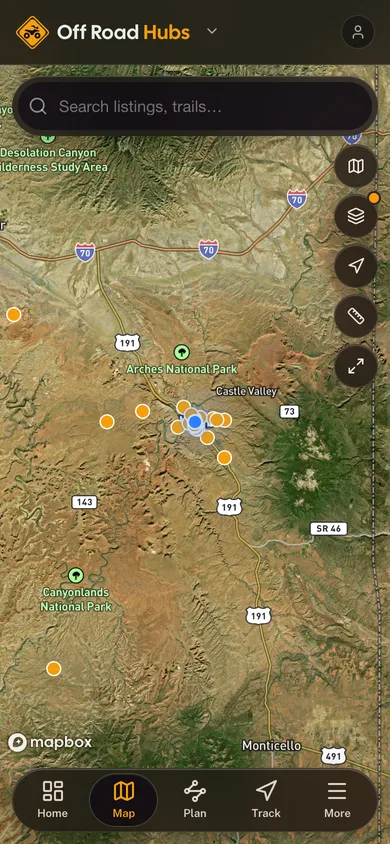
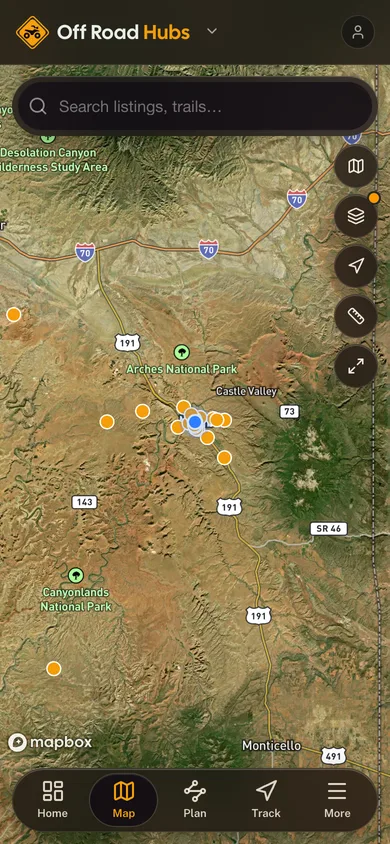
Everything Map
Listings, trails, spots, clubs and public land on a single full-screen map. Switch layers on and off, then tap any point for the details.
Open Everything MapTrail Explorer
Browse a community map of named trails with distance, difficulty, and where each one starts.
Open Trail ExplorerRoute Planner
Drop stops on a map and watch distance and drive time add up. Export a GPX or share the link.
Open Route PlannerOff-Road Clubs
Browse local clubs with meeting info and how to join, or start your own for free.
Open Off-Road ClubsGear Checklists
Printable, save-as-you-go packing lists. Tick items off and pull them up on your phone.
Open Gear ChecklistsMaintenance Schedules
Pick your equipment and get its full service schedule. Add your usage to turn intervals into dates.
Open Maintenance Schedules