Off-Road Parks · Minnesota
Off-Road Parks in Minnesota
Ride 25 parks across Minnesota. Maps, hours, contact info, photos, and verified operator profiles, all in one place.
11,842 lakes, the Boundary Waters, and the headwaters of the Mississippi.
About Minnesota
Best time to go
When to ride in Minnesota
May through October. Winter brings lake ice and deep snow to the north.
- March–May and September–November: the most comfortable riding
- Trails can be slick and rutted after heavy rain
- Summer: start early to beat heat and humidity
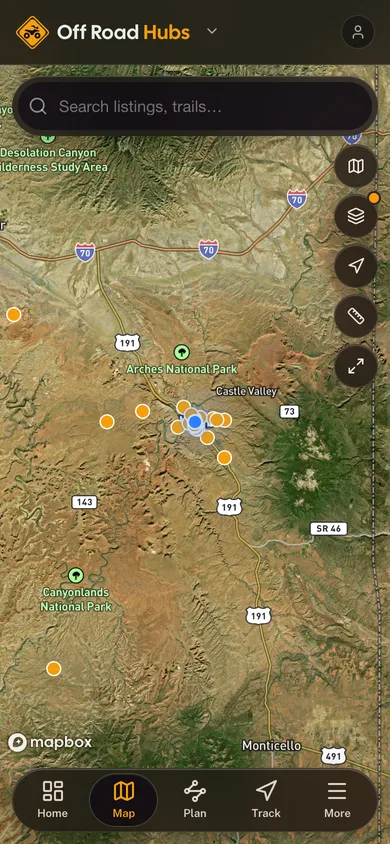
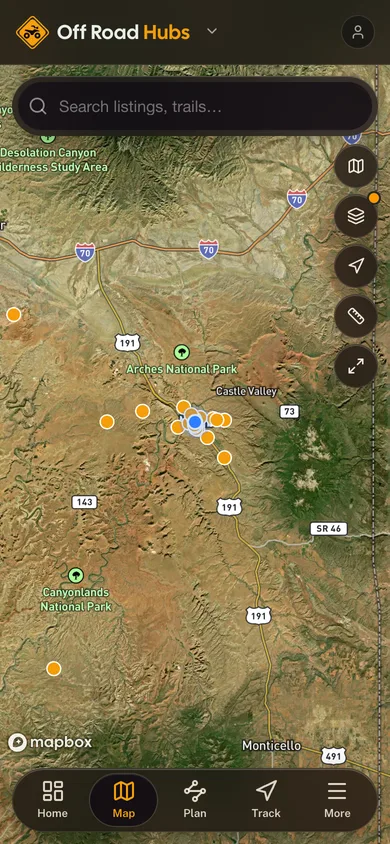
25 on the map
Tap a pin to open its profile.
Quick facts
- Trails mapped
- 188
- Parks listed
- 25
- Best season
- May through October
Plan your trip
Plan your trip to Minnesota
OHV Registration & Trail Pass
All OHVs operating on public lands or designated trails in Minnesota must be registered with the DNR, and many require an OHV trail sticker. Out-of-state registrations are often recognized if they have a valid non-resident trail pass.
Public vs. Private Land
Riding is generally restricted to designated OHV trails and parks on public lands. Private land access requires explicit permission from the landowner; trespassing is strictly prohibited.
Sound and Spark Arrestors
All OHVs must be equipped with a U.S. Forest Service-approved spark arrestor and meet state noise emission standards. Loud exhausts are not permitted and can result in fines.
Terrain Variety
Minnesota's terrain ranges from sandy paths and gravel roads to rocky climbs in the Iron Range and muddy bogs in forested areas. Be prepared for varied conditions, especially after rain.
Seasonal Closures
Trails are subject to seasonal closures due to wet conditions (mud season), snow cover, or fire danger. Always check the Minnesota DNR website for current trail status before planning a trip.
Youth Operator Requirements
Operators under 16 years of age must complete an approved OHV safety course to operate an OHV on public lands and often have additional supervision requirements.
Confirm current requirements with the state agency before your trip. Rules and fees change every season.
OHV Registration
All ATVs, UTVs, and dirt bikes operated on public lands or trails in Minnesota must be registered with the Minnesota DNR. Non-residents must purchase a Minnesota non-resident OHV trail pass to ride the state and grant-in-aid trails, whatever their home state, the only way around it is registering the machine in Minnesota.
OHV Safety Certificate
Operators born after July 1, 1987, must possess a valid OHV safety certificate to operate an OHV on public lands, roads, or trails in Minnesota. This requirement applies to both residents and non-residents.
Approved Spark Arrestor
Every OHV must be equipped with a U.S. Forest Service-approved spark arrestor in good working order. This is crucial for preventing wildfires, especially in dry conditions.
Helmet Requirement
All OHV operators and passengers under the age of 18 must wear a DOT-approved helmet when riding on public lands, roads, or trails. It is strongly recommended for all riders regardless of age.
- 01
Research Designated Trails and Parks
Start with the Minnesota DNR website and Off Road Hubs to find trails and parks that fit your machine and skill level, the gap between a gravel forest road and Iron Range rock is real. Note the rules and closures for wherever you land.
- 02
Obtain Required Registration and Passes
Register your OHV with the Minnesota DNR, or, if you're coming from out of state, buy the non-resident trail pass. Check the age and safety-course requirements while you're at it.
- 03
Inspect and Prepare Your Vehicle
Go over the machine before you go over the terrain: tires, brakes, fluids, and a working spark arrestor. Pack tools, recovery gear, and a first-aid kit, the Northwoods doesn't do roadside assistance.
- 04
Understand Local Regulations and Conditions
Know Minnesota's rules on helmets, sound limits, and passengers before the first mile. Then check the DNR site for current trail conditions, weather, and seasonal closures, spring mud and early snow both move fast here.
- 05
Plan Your Route and Share It
Map the ride, plan the fuel stops, and put a return time on it. Then tell someone, where you're going and when you'll be back. In remote country, that one text is the cheapest piece of safety gear you own.
01How many off-road parks are in Minnesota?
02Where can I ride my OHV in Minnesota?
03Do I need a permit or registration to ride in Minnesota?
04Are there age restrictions for OHV operators?
05What kind of terrain can I expect on Minnesota's OHV trails?
06Are Minnesota's OHV trails open year-round?
07What safety equipment is required for OHV riding in Minnesota?
Free tools
Your free outdoor toolkit

Everything Map
Listings, trails, spots, clubs and public land on a single full-screen map. Switch layers on and off, then tap any point for the details.
Open Everything MapTrail Explorer
Browse a community map of named trails with distance, difficulty, and where each one starts.
Open Trail ExplorerRoute Planner
Drop stops on a map and watch distance and drive time add up. Export a GPX or share the link.
Open Route PlannerOff-Road Clubs
Browse local clubs with meeting info and how to join, or start your own for free.
Open Off-Road ClubsGear Checklists
Printable, save-as-you-go packing lists. Tick items off and pull them up on your phone.
Open Gear ChecklistsMaintenance Schedules
Pick your equipment and get its full service schedule. Add your usage to turn intervals into dates.
Open Maintenance Schedules

Keep exploring