Off-Road Parks · North Dakota
Off-Road Parks in North Dakota
Ride 8 parks across North Dakota. Maps, hours, contact info, photos, and verified operator profiles, all in one place.
Theodore Roosevelt badlands, the Missouri Coteau, and the Red River Valley.
About North Dakota
Best time to go
When to ride in North Dakota
May through October.
- March–May and September–November: the most comfortable riding
- Trails can be slick and rutted after heavy rain
- Summer: start early to beat heat and humidity
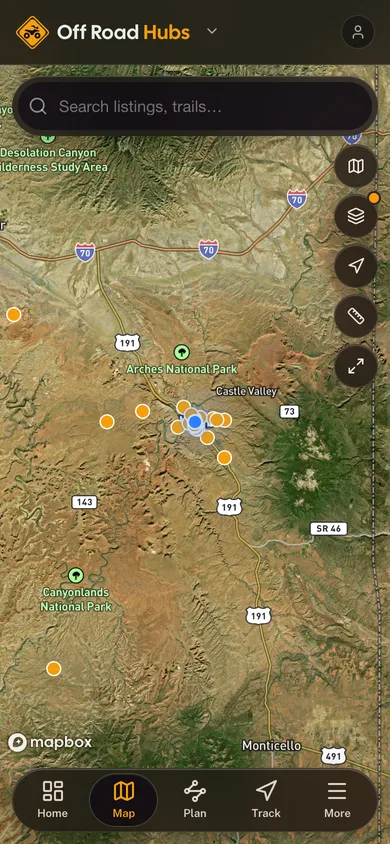
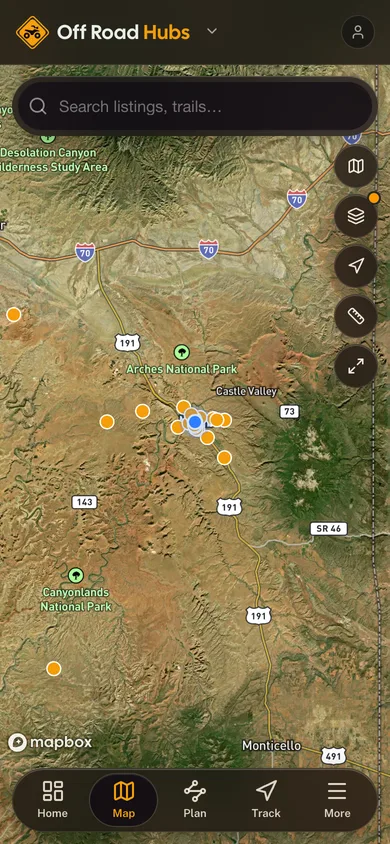
8 on the map
Tap a pin to open its profile.
Quick facts
- Trails mapped
- 285
- Parks listed
- 8
- Best season
- May through October
All listings
8 parks
across North Dakota

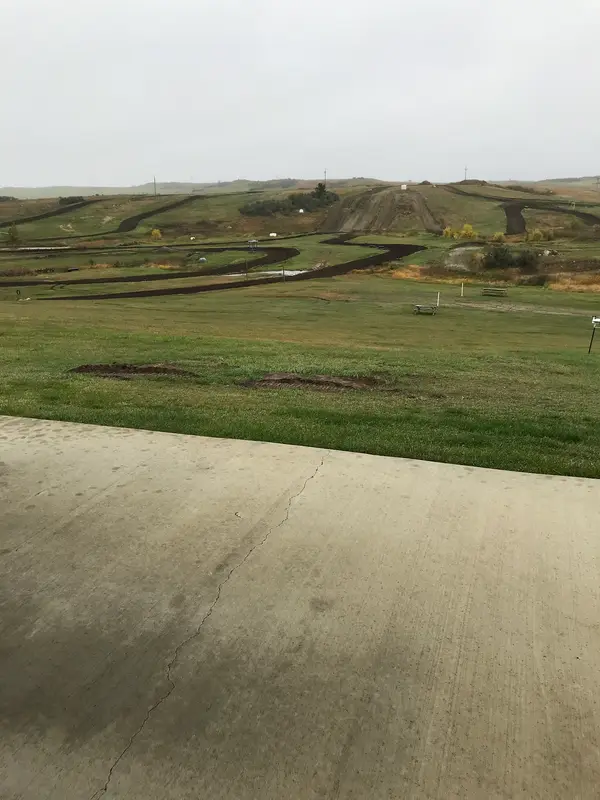
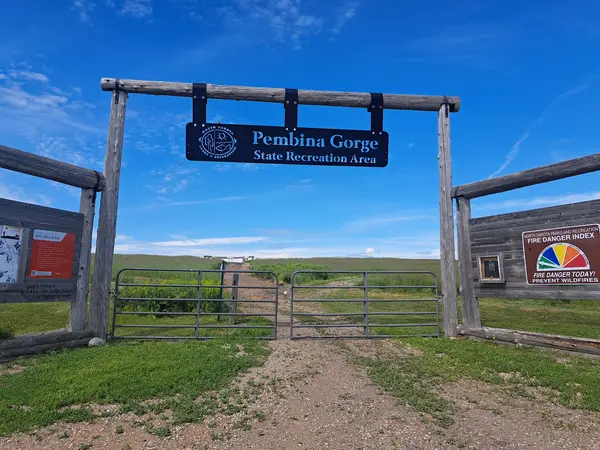
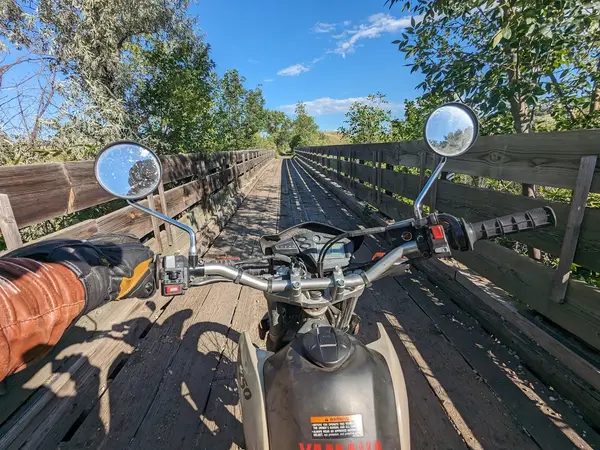
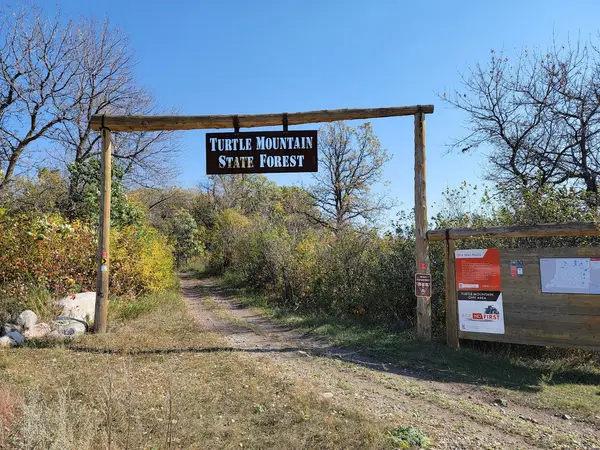
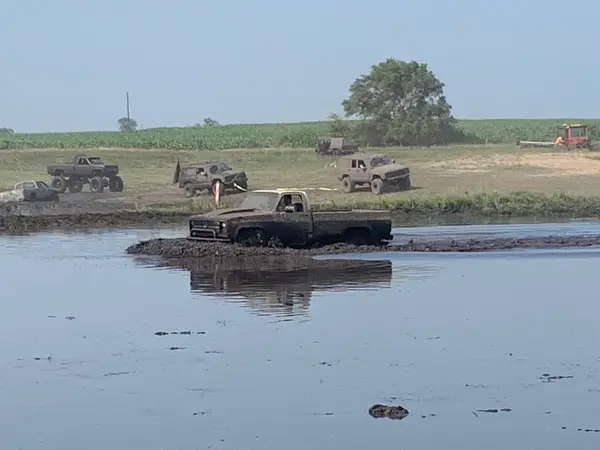
Plan your trip
Plan your trip to North Dakota
OHV Registration and Trail Passes
All OHVs operating on public lands in North Dakota must be registered with the North Dakota Department of Transportation. A valid registration decal is required. Out-of-state visitors register their OHV in their home state and instead buy a North Dakota non-resident public trails and lands access permit to ride on public lands; specific areas or parks may also charge their own entrance fees.
Public vs. Private Land Access
Riding is generally permitted on designated trails within public lands, such as National Grasslands and state recreation areas. Private land requires explicit permission from the landowner. Trespassing is strictly enforced, so always verify land ownership before riding off designated paths.
Sound and Spark Arrestor Rules
All OHVs must be equipped with a U.S. Forest Service-approved spark arrestor in good working order to prevent wildfires. Mufflers must also be in place and maintained to keep noise levels within state-regulated limits, typically 96 dB(A) or less.
Terrain Variety and Preparation
North Dakota's terrain ranges from the rugged, rocky, and often sandy Badlands in the west to the softer, sometimes muddy, prairie and forested trails in the east. Riders should equip their vehicles and themselves appropriately for the specific terrain and weather conditions expected, including tires, suspension, and recovery gear.
Seasonal Trail Closures
Trails, especially in the Badlands, are subject to seasonal closures due to extreme weather. This includes 'mud season' in spring when thawing makes trails impassable and vulnerable to damage, and occasionally during periods of high fire danger in summer. Always check with the managing agency before heading out.
Confirm current requirements with the state agency before your trip. Rules and fees change every season.
OHV Registration
All off-highway vehicles (OHVs) operated on public lands or trails in North Dakota must be registered with the North Dakota Department of Transportation (a two-year registration). This includes ATVs, UTVs, and dirt bikes. The registration fee helps fund trail maintenance and development.
Age and Safety Training Requirements
To ride on public land, operators under 16 must hold a driver's license, learner's permit, or OHV safety certificate; those aged 12 to 15 without a license or permit must complete an approved OHV safety course to earn that certificate. Children under 12 may not operate on public land at all, they are limited to land owned by a parent or guardian. North Dakota sets no engine-displacement limits based on rider age.
Helmet Use
All OHV operators and passengers under the age of 18 are required to wear a properly fitted, DOT-approved helmet when riding on public lands. While not legally mandated for adults, wearing a helmet is strongly recommended for all riders for safety.
Spark Arrestor and Muffler
Every OHV operated in North Dakota must be equipped with a U.S. Forest Service-approved spark arrestor that is in good working condition. Additionally, all OHVs must have an effective muffler system that limits engine noise to acceptable levels, typically 96 decibels or less.
- 01
Research Designated Riding Areas
Match the trail to your machine and your skill. The Little Missouri National Grassland is the pick for rugged Badlands riding; the Sheyenne National Grassland offers a gentler, sandier alternative.
- 02
Understand State Regulations
Get square with North Dakota's rules before you ride: OHV registration, age restrictions, helmet law, spark arrestor requirement. Registered and properly equipped is the only way to roll off the trailer.
- 03
Check Trail Conditions and Weather
Verify your trails are actually open: mud, snow, and fire restrictions all close routes here. Watch the forecast too; Badlands weather can flip on you in an afternoon.
- 04
Prepare Your Vehicle and Gear
Sort the machine before you leave home. Pack a first-aid kit, tools, spare parts, plenty of water, and navigation you trust, and wear proper riding gear, helmet included where required.
- 05
Inform Someone of Your Plans
Leave your route and return time with someone you trust, plus an emergency contact. Cell coverage drops out fast in the remote country, a phone alone is not a plan.
01Where are the best places to ride OHVs in North Dakota?
02Do I need a special permit or registration for my OHV in North Dakota?
03Are there any age restrictions for OHV riders in North Dakota?
04What kind of terrain can I expect when off-roading in North Dakota?
05Can I ride my OHV on public roads in North Dakota?
06Are there specific equipment requirements for OHVs in North Dakota?
Free tools
Your free outdoor toolkit

Everything Map
Listings, trails, spots, clubs and public land on a single full-screen map. Switch layers on and off, then tap any point for the details.
Open Everything MapTrail Explorer
Browse a community map of named trails with distance, difficulty, and where each one starts.
Open Trail ExplorerRoute Planner
Drop stops on a map and watch distance and drive time add up. Export a GPX or share the link.
Open Route PlannerOff-Road Clubs
Browse local clubs with meeting info and how to join, or start your own for free.
Open Off-Road ClubsGear Checklists
Printable, save-as-you-go packing lists. Tick items off and pull them up on your phone.
Open Gear ChecklistsMaintenance Schedules
Pick your machine and get its full service schedule. Add your hours to turn intervals into dates.
Open Maintenance Schedules

Keep exploring