Off-Road Parks · Hawaii
Off-Road Parks in Hawaii
Ride 12 parks across Hawaii. Maps, hours, contact info, photos, and verified operator profiles, all in one place.
Volcanic peaks rising 13,000 feet from a tropical Pacific.
Updated
Highest rated
Off-Road Parks in Hawaii by Google rating
Ranked by Google rating, then by number of reviews, across the 10 of 12 parks in Hawaii with 10 or more Google reviews.
| Park | City | Vehicles | Rating |
|---|---|---|---|
| Kipu Ranch Adventures | Lihue | ATV, UTV | 5.07,612 Google reviews |
| Coral Crater Adventure Park | Kapolei | UTV | 4.94,189 Google reviews |
| Maui Off-Road Adventures | Lahaina | UTV, side-by-side | 4.91,609 Google reviews |
| Kohala UTV Adventure | Hawi | UTV | 4.8366 Google reviews |
| All About the View ATV UTV Scenic Tour | Honokaa | ATV, UTV | 4.878 Google reviews |
| Kualoa Ranch | Kaneohe | ATV, UTV | 4.721,221 Google reviews |
| Onomea Bay Trail | Papaikou | ATV, Dirt Bike, SxS / UTV | 4.7899 Google reviews |
| Kahuku Motocross Track | Haleiwa | Dirt Bike | 4.775 Google reviews |
All listings
12 parks in Hawaii
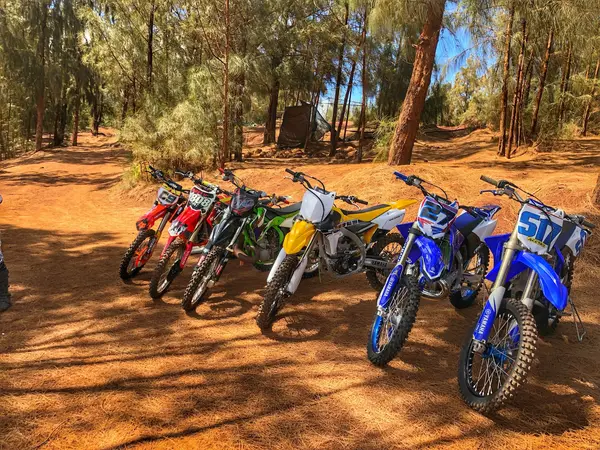
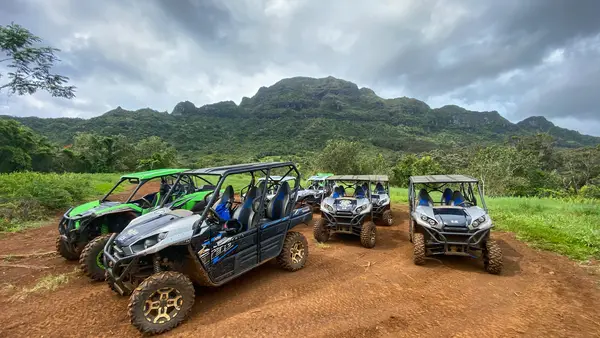
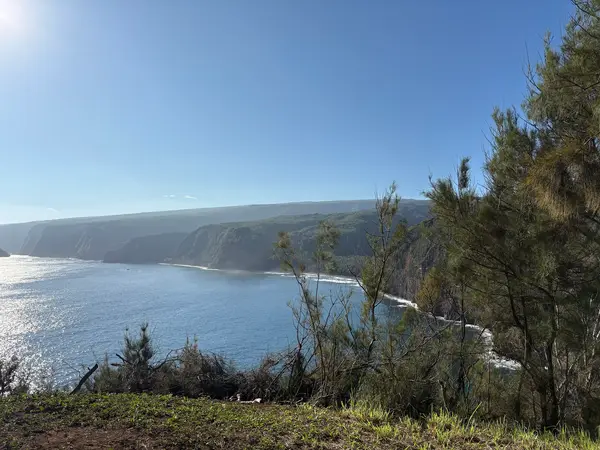

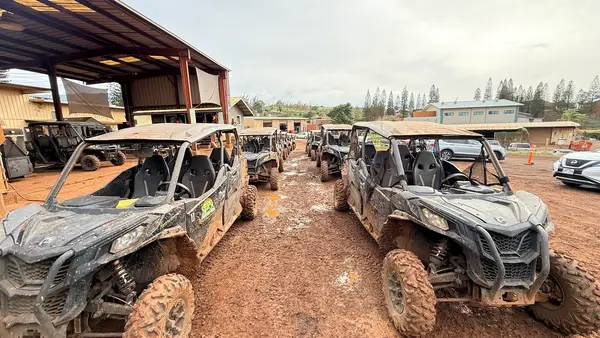
On the map
Off-road parks, trails and camping in Hawaii
Everything we have mapped in Hawaii, on one map. Tap anything for its details.
Loads the full map of Hawaii. We leave it off by default so the page opens fast on mobile data.
About Hawaii
When to ride in Hawaii
Peak Jun–Sep
Quick facts
- Trails mapped
- 333
- Parks listed
- 12
- Best season
- Year-round
Trip guide
Know before you go in Hawaii
Confirm current requirements with the agency that sets them before your trip. Rules and fees change every season.
Legal Operating Areas
Off-highway vehicles in Hawaii must only be operated on private property with owner permission, or within designated commercial tour areas. Operating OHVs on public roads, sidewalks, or undesignated public lands is generally prohibited and subject to penalties. Verify specific access rules with landowners or tour operators.
Helmet Use
Hawaii Revised Statutes (HRS 286-12) require every operator and passenger, regardless of age, to wear a safety helmet with a securely fastened chin strap, but only within the state's narrow allowance for operating an ATV on a public street. There is no statewide helmet mandate for off-road riding on private or tour land. Commercial tour operators enforce this and typically provide the helmets.
Age and Operator Requirements
While specific state-wide age limits for OHV operation vary based on vehicle type and land designation, commercial tour operators typically have their own minimum age and height requirements for drivers and passengers. Always confirm these restrictions when booking a tour or seeking private land access.
01Are there public OHV trails in Hawaii?
02Can I bring my own ATV or UTV to Hawaii for off-roading?
03What kind of terrain can I expect on Hawaiian off-road trails?
04What safety gear is required for off-road riding in Hawaii?
05What is the best island for off-roading in Hawaii?
Free tools