Off-Road Parks · Colorado
Off-Road Parks in Colorado
Ride 30 parks across Colorado. Maps, hours, contact info, photos, and verified operator profiles, all in one place.
58 fourteeners, alpine basins, and the headwaters of seven major rivers.
Updated
About Colorado
Best time to go
When to ride in Colorado
June through September for the high country; lower elevations stay accessible year-round.
- June–September: prime high-country trail riding
- Respect spring mud-season closures, they protect the trails
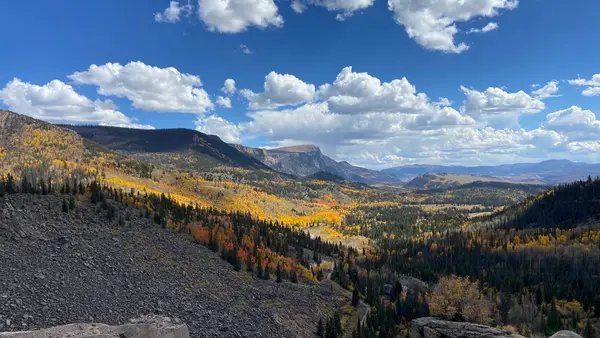
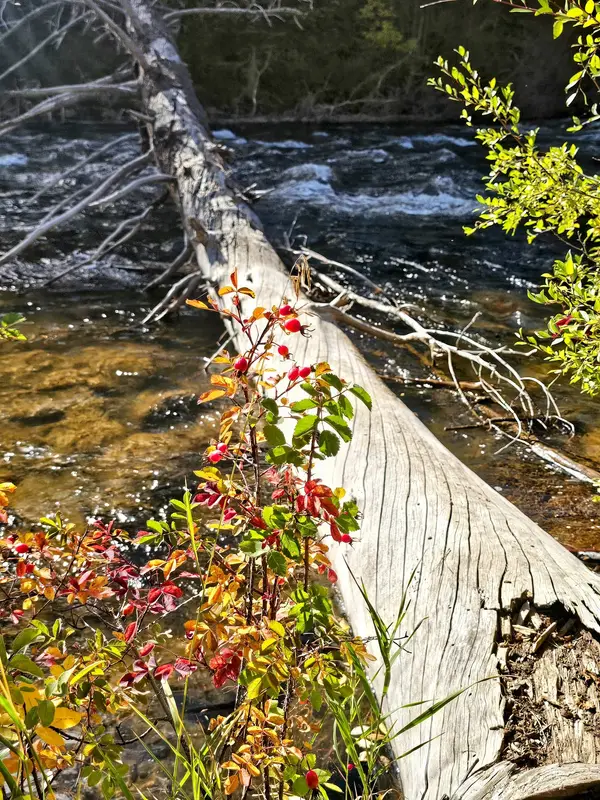
- Fall brings firm trails and aspen colors
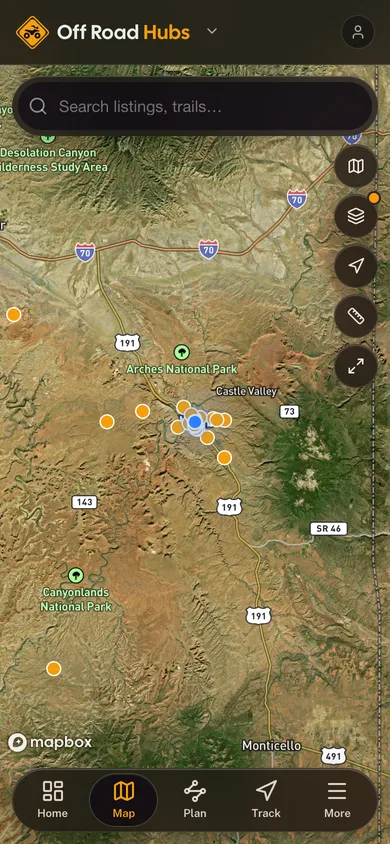
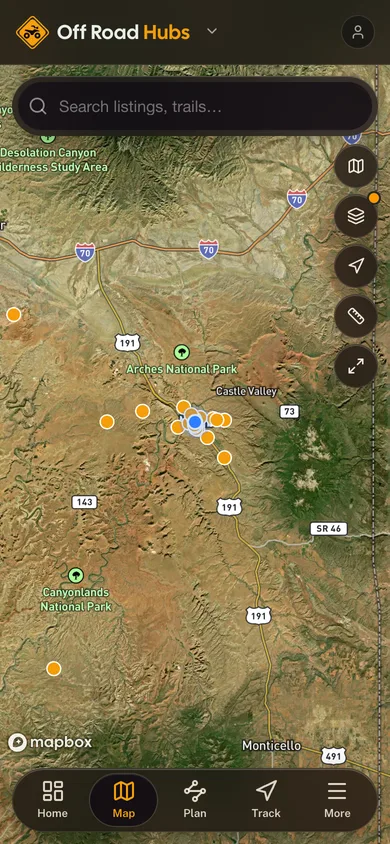
30 on the map
Tap a pin to open its profile.
Quick facts
- Trails mapped
- 831
- Parks listed
- 30
- Best season
- June through September
All listings
30 parks
across Colorado
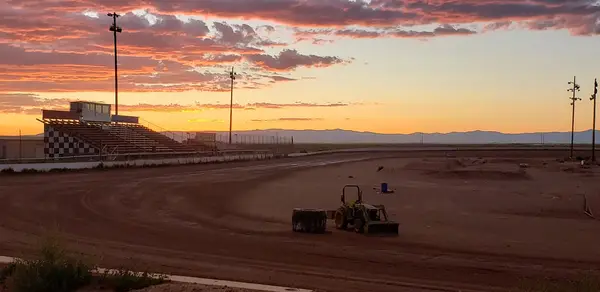
Watch it live
Live webcams in Colorado
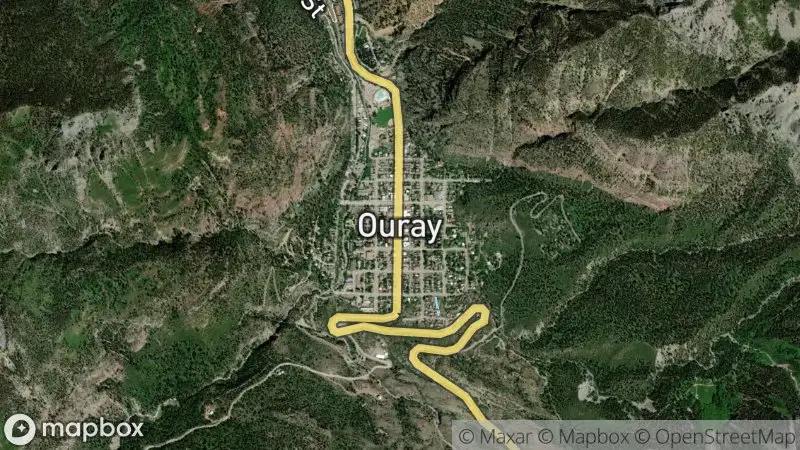 Location
Ouray Main Street Webcams
via Visit Ouray
Watch live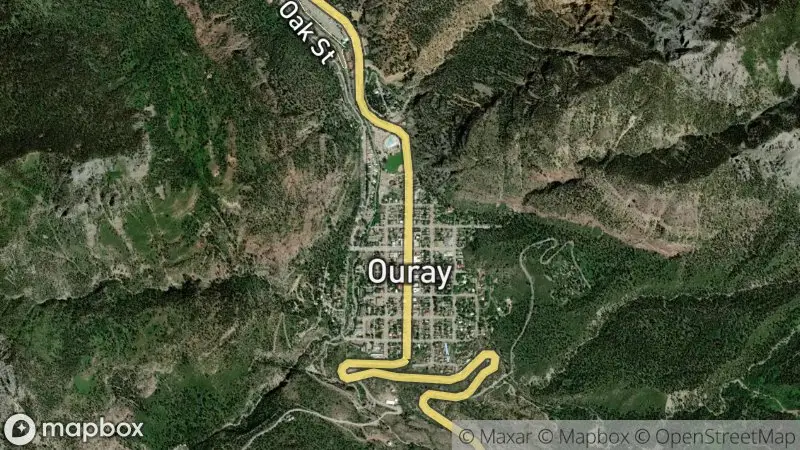 Location
Ouray Trail Conditions Cam (Colorado West Jeeps)
via Colorado West UTVs & Jeeps
Watch livePlan your trip
Plan your trip to Colorado
OHV Registration and Trail Passes
All off-highway vehicles (OHVs) operated on public lands in Colorado must be registered with Colorado Parks and Wildlife (CPW). This includes ATVs, UTVs, dirt bikes, and snowmobiles. Out-of-state residents must purchase a Colorado Non-Resident OHV permit, which is valid for one year or until the following March 31, whichever comes first.
Public vs. Private Land Access
The majority of Colorado's OHV trails are on public lands managed by the US Forest Service (USFS) or Bureau of Land Management (BLM). Always respect private property boundaries and do not trespass. Maps and GPS are essential for identifying legal access points and routes.
Sound and Spark Arrestor Rules
OHVs operating in Colorado must be equipped with a U.S. Forest Service approved spark arrestor that is properly maintained. Additionally, vehicles must not exceed a sound limit of 96 decibels (dBA) measured at 20 inches from the exhaust outlet.
Terrain Variety and Preparation
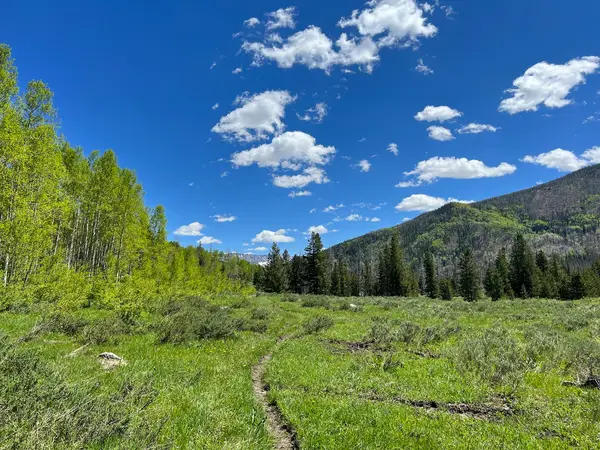
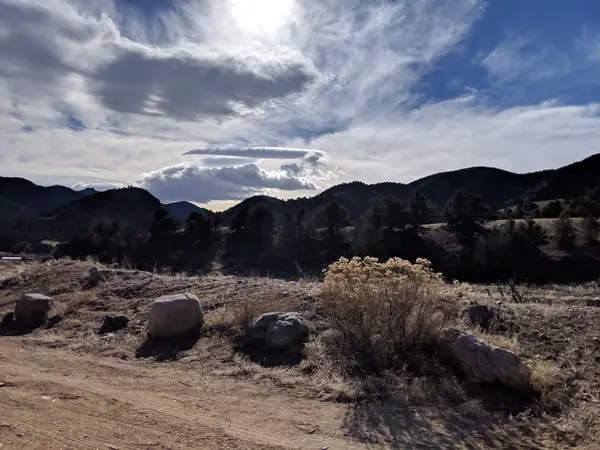
Colorado offers a mix of terrains, from the rocky mountain passes of the San Juans to the sandy washes of the Western Slope. Prepare your vehicle and yourself for varied conditions, including high altitudes, potential snow, mud, and loose rock. Appropriate tires and suspension are crucial.
Seasonal Trail Closures
Many high-elevation trails are subject to seasonal closures due to snow, typically from late fall through late spring. Mud season closures are also common to prevent trail damage. Always check current trail status with the managing agency (USFS, BLM, or CPW) before heading out. Fire restrictions may also be implemented during dry periods.
Confirm current requirements with the state agency before your trip. Rules and fees change every season.
OHV Registration / Non-Resident Permit
All OHVs operated on public lands or designated trails in Colorado must display a valid Colorado OHV registration sticker. Non-residents must purchase a Colorado Non-Resident OHV permit annually. Funds from these permits support trail maintenance and safety programs.
Age and Supervision Requirements
Youths under 10 years of age are prohibited from operating an OHV on public land. Children aged 10-15 may operate an OHV on public land only while under the direct supervision of a licensed adult; Colorado has no OHV operator safety-certificate requirement (that requirement applies to snowmobiles). An adult must be within sight and sound of the minor.
Safety Equipment and Operation
Operators and passengers of OHVs under 18 years of age are required to wear a DOT-approved helmet. All OHV operators must travel at a reasonable and prudent speed, ride on designated trails, and obey all posted signs and regulations. Operating an OHV while under the influence of alcohol or drugs is strictly prohibited.
Spark Arrestor and Sound Limits
Every OHV must be equipped with a U.S. Forest Service approved spark arrestor in good working order. Additionally, OHVs must not exceed a noise level of 96 decibels (dBA) when measured using a specific sound test procedure. These regulations help protect the environment and maintain quiet recreation for all users.
- 01
Research Trails and Regulations
Pick trails or OHV areas that fit your machine and your experience, Colorado's difficulty range is wide enough to surprise people. The US Forest Service, BLM, and Colorado Parks and Wildlife publish current maps, opening dates, and area-specific rules; start there, not with a forum post.
- 02
Obtain Required Permits and Registration
Register your OHV with Colorado Parks and Wildlife, or pick up the non-resident permit if you're coming from out of state. Carry proof of registration and any required safety certificates on the trail, rangers do ask.
- 03
Prepare Your Vehicle and Gear
Go over the machine before you load it: tires, fluids, brakes, spark arrestor. Then pack for the mountains: first-aid kit, tools, spare parts, GPS and paper maps, more water than seems necessary, and layers for weather that changes with the altitude.
- 04
Plan Your Route and Inform Others
Study the route ahead of time: hazards, bail-out points, where the next fuel is. Leave the itinerary and your expected return time with someone staying home. Cell service dies fast in the Colorado backcountry, and the plan you left behind is what gets help to you.
- 05
Practice Leave No Trace Principles
Stay on designated trails, pack out what you brought in, give wildlife room. The trail network stays open because riders treat it that way, every cut switchback and trashed campsite argues for closing it.
01How many off-road parks are in Colorado?
02Do I need a special license to ride an OHV in Colorado?
03What kind of terrain can I expect on Colorado's OHV trails?
04Are there any seasonal restrictions for OHV riding in Colorado?
05Can I ride my OHV on public roads in Colorado?
06What safety equipment is required for OHV riding in Colorado?
07Are there designated camping areas for OHV riders?
Free tools
Your free outdoor toolkit

Everything Map
Listings, trails, spots, clubs and public land on a single full-screen map. Switch layers on and off, then tap any point for the details.
Open Everything MapTrail Explorer
Browse a community map of named trails with distance, difficulty, and where each one starts.
Open Trail ExplorerDaily Ride
Every day picks a real place from the map and turns it into a quick 3D time trial. Real geometry, real conditions, same course for everyone.
Open Daily RideRoute Planner
Drop stops on a map and watch distance and drive time add up. Export a GPX or share the link.
Open Route PlannerOff-Road Clubs
Browse local clubs with meeting info and how to join, or start your own for free.
Open Off-Road ClubsGear Checklists
Printable, save-as-you-go packing lists. Tick items off and pull them up on your phone.
Open Gear Checklists

Keep exploring