Off-Road Parks · Kansas
Off-Road Parks in Kansas
Ride 21 parks across Kansas. Maps, hours, contact info, photos, and verified operator profiles, all in one place.
Tallgrass prairie remnants and the Smoky Hills.
About Kansas
Best time to go
When to ride in Kansas
April through October.
- March–May and September–November: the most comfortable riding
- Trails can be slick and rutted after heavy rain
- Summer: start early to beat heat and humidity
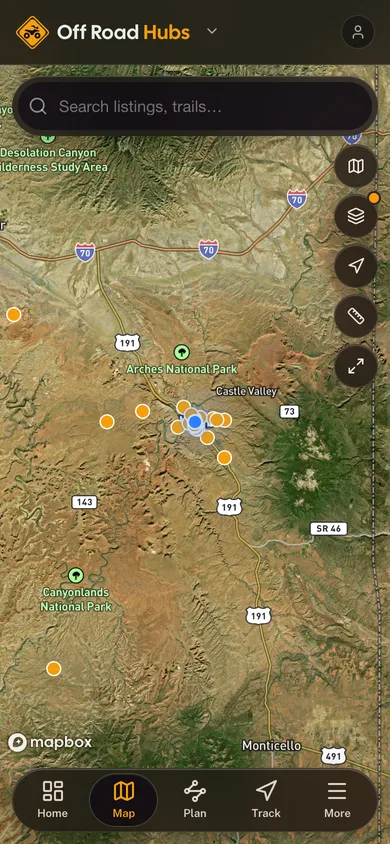
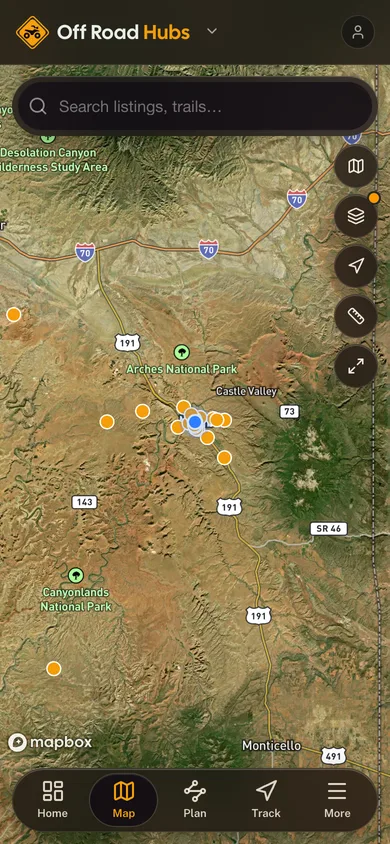
21 on the map
Tap a pin to open its profile.
Quick facts
- Trails mapped
- 46
- Parks listed
- 21
- Best season
- April through October
All listings
21 parks
across Kansas

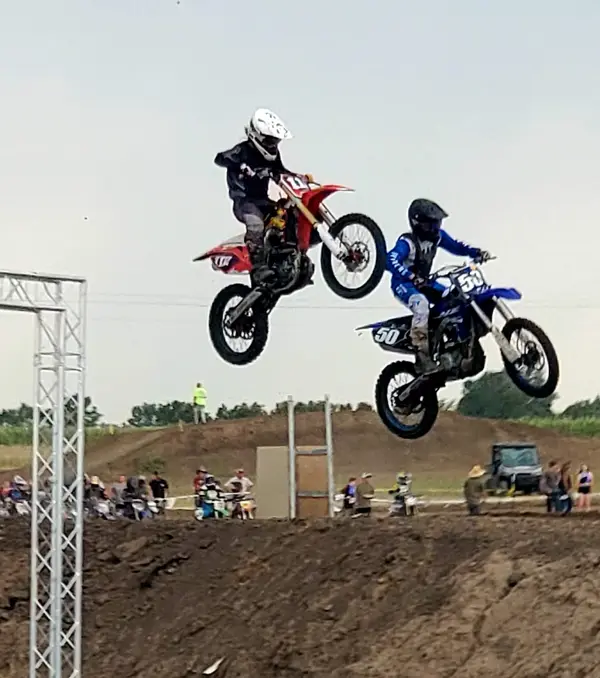
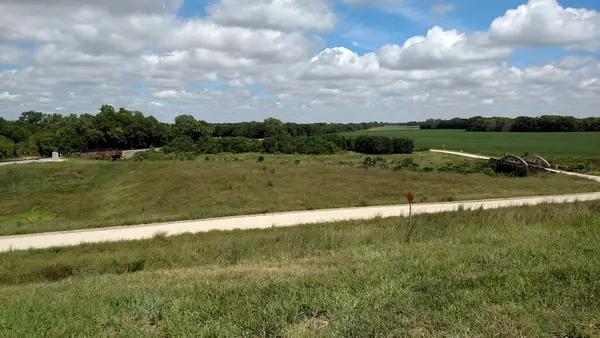
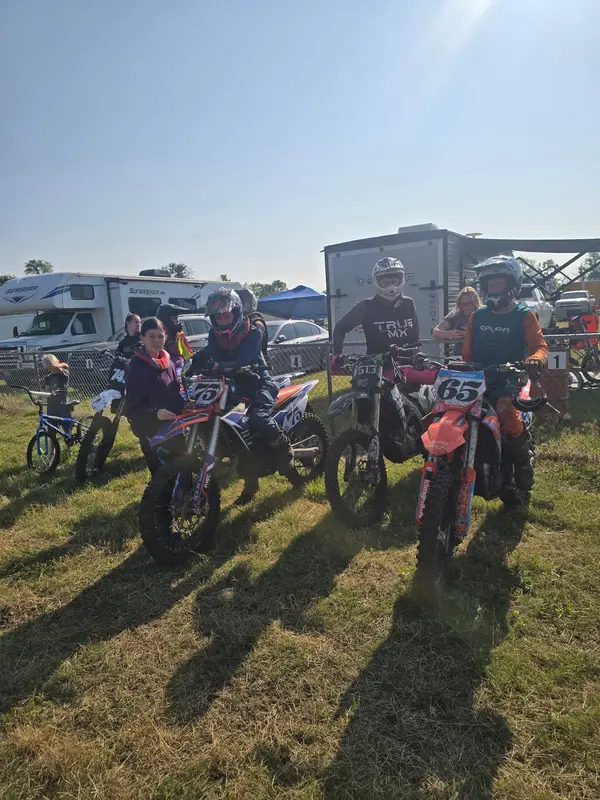
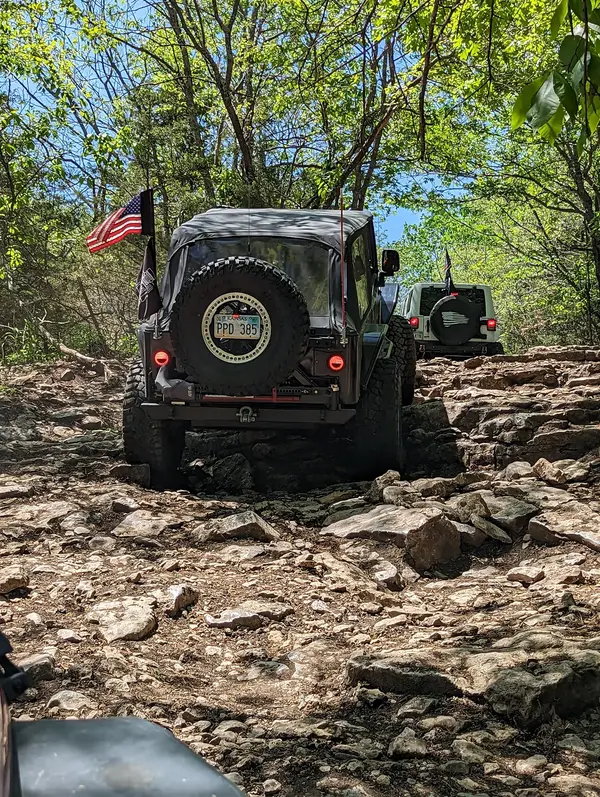
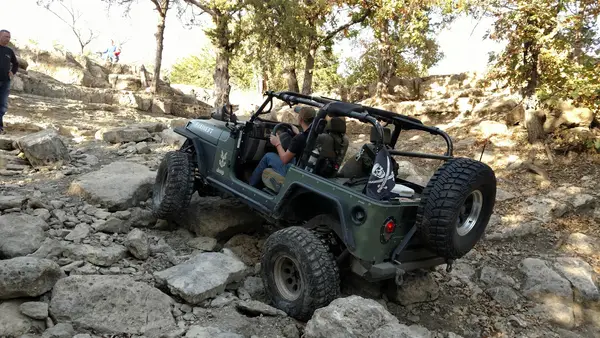
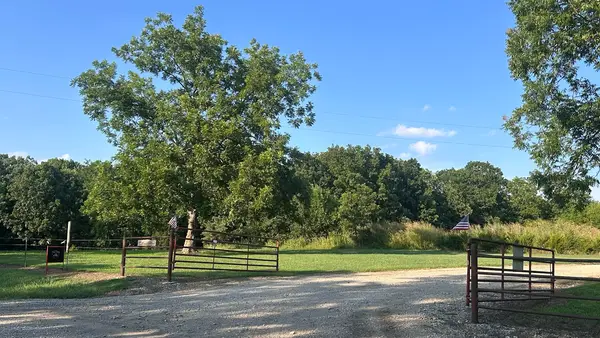
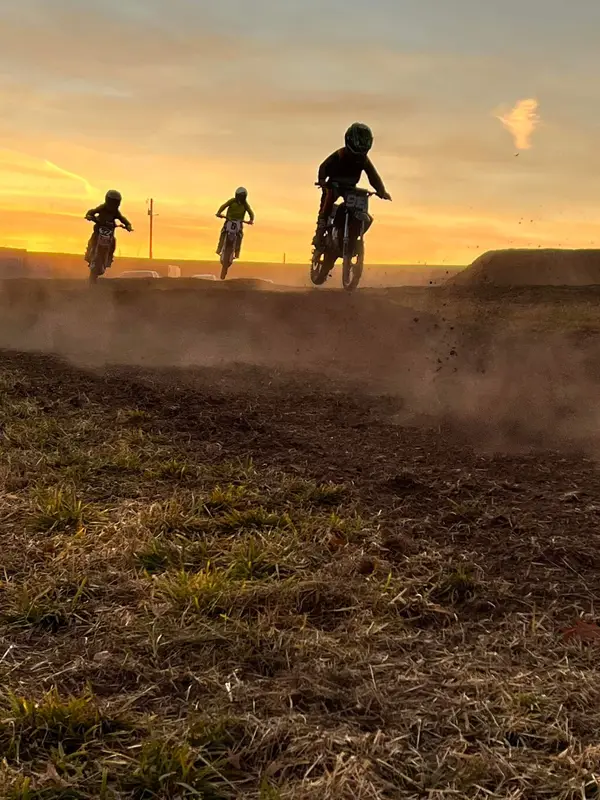

Plan your trip
Plan your trip to Kansas
OHV Registration and Permits
Kansas doesn't register OHVs, residents title them as nonhighway vehicles through the Department of Revenue instead (ATVs are exempt from registration). Non-residents should check specific park requirements; some may require a temporary permit or recognize out-of-state registrations.
Public vs. Private Land Access
Most designated OHV riding areas in Kansas are privately owned parks or managed facilities. Always confirm access rules and fees before riding and respect private property boundaries.
Sound and Spark Arrestor Requirements
Kansas has no statewide spark-arrestor law, but individual parks, and federal land like the Cimarron National Grassland, can require a U.S. Forest Service-approved spark arrestor, so it's smart to run one on dry prairie regardless. Some OHV parks may also enforce specific sound limits; verify with the park operator.
Terrain Diversity
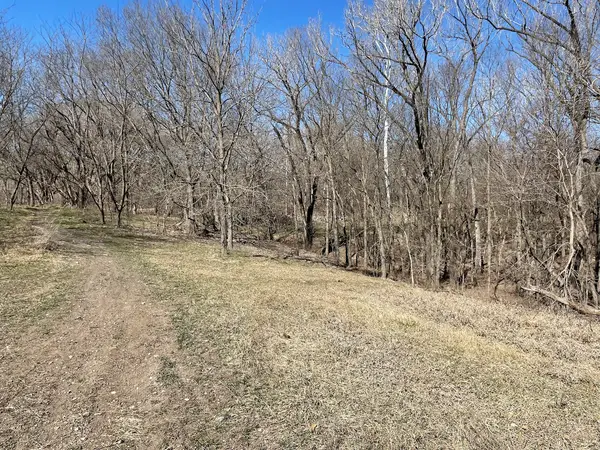
Kansas offers varied terrain, including hard-packed dirt trails, grassy prairie tracks, rocky sections in the Flint Hills, and sandy washes near riverbeds. Be prepared for different conditions depending on the region.
Seasonal Trail Closures
Trails can be subject to seasonal closures due to heavy rains leading to excessive mud, or during periods of high fire danger. Always check the status of your chosen riding area before heading out.
Confirm current requirements with the state agency before your trip. Rules and fees change every season.
OHV Registration
Kansas doesn't register OHVs, ATVs and UTVs are exempt from registration but must be titled as nonhighway vehicles through the Department of Revenue. There's no statewide OHV trail-use permit; the access rules that matter come from the individual parks and areas you ride.
Age and Supervision Requirements
Kansas sets no statewide minimum age or supervision requirement for operating an OHV off public roads, it's one of the few states without one. In practice the rules that matter come from the individual parks, which often set their own age floors and may require proof of a safety-course completion for minors.
Safety Equipment
While not universally mandated for all ages by state law, helmets are strongly recommended for all OHV riders in Kansas and may be required for minors or at specific riding facilities. Eye protection is also highly advised for safety.
Spark Arrestor Compliance
Kansas imposes no statewide spark-arrestor requirement on OHVs, though individual parks, and federal land such as the Cimarron National Grassland, can require a U.S. Forest Service-approved spark arrestor as a condition of access. This critical safety device helps prevent accidental wildfires, particularly in dry conditions.
- 01
1. Research OHV Parks and Trails
Start with the parks and designated riding areas that fit your machine (ATV, UTV, dirt bike, or full-size 4x4), and your skill level. Park websites list amenities, terrain, and house rules; read them before you load the trailer.
- 02
2. Understand State and Park Regulations
Get square with Kansas's registration requirements, age rules, and safety-gear mandates, then layer on whatever the individual park requires. Every facility runs its own rulebook on top of state law.
- 03
3. Prepare Your Vehicle
A USFS-approved spark arrestor, a full tank, and a machine that won't quit on you, that's the baseline. Walk around it before you ride: tires, fluids, brakes, throttle. Trailside breakdowns on the prairie are a long walk from anything.
- 04
4. Pack Essential Gear
Helmet and eye protection on your body; first-aid kit, water, snacks, basic tools, and a map or GPS in the bag. Kansas heat and Kansas distances both punish riders who pack light.
- 05
5. Inform Others of Your Plan
Tell someone who isn't riding with you where you're going, which routes you're running, and when you expect to be back. If something goes wrong out there, that one conversation is what gets help moving.
01Do I need to register my OHV in Kansas?
02Are there age restrictions for OHV riders in Kansas?
03What kind of terrain can I expect on Kansas OHV trails?
04Are helmets required for OHV riding in Kansas?
05Can I ride my OHV on public roads in Kansas?
06What about spark arrestors and sound limits for OHVs?
Free tools
Your free outdoor toolkit

Everything Map
Listings, trails, spots, clubs and public land on a single full-screen map. Switch layers on and off, then tap any point for the details.
Open Everything MapTrail Explorer
Browse a community map of named trails with distance, difficulty, and where each one starts.
Open Trail ExplorerRoute Planner
Drop stops on a map and watch distance and drive time add up. Export a GPX or share the link.
Open Route PlannerOff-Road Clubs
Browse local clubs with meeting info and how to join, or start your own for free.
Open Off-Road ClubsGear Checklists
Printable, save-as-you-go packing lists. Tick items off and pull them up on your phone.
Open Gear ChecklistsMaintenance Schedules
Pick your machine and get its full service schedule. Add your hours to turn intervals into dates.
Open Maintenance Schedules

Keep exploring