Off-Road Parks · Connecticut
Off-Road Parks in Connecticut
Ride 6 parks across Connecticut. Maps, hours, contact info, photos, and verified operator profiles, all in one place.
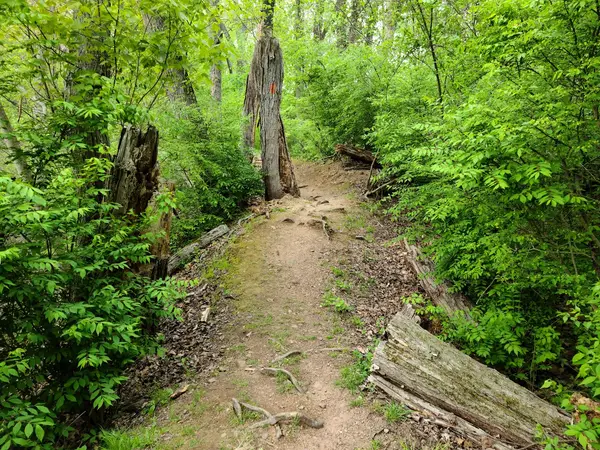
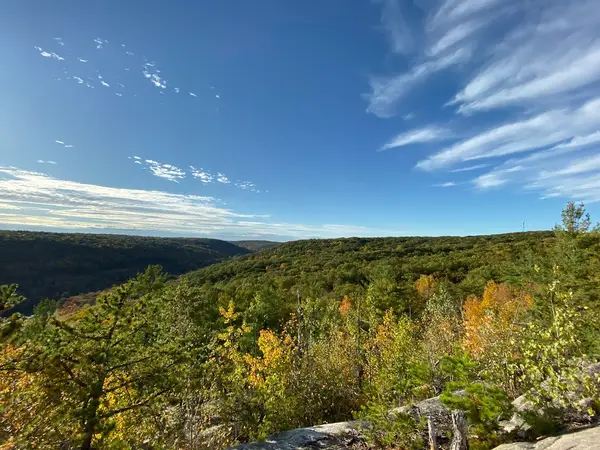
Long Island Sound coastline plus Litchfield Hills hardwoods.
About Connecticut
Best time to go
When to ride in Connecticut
May through October. Peak fall color late October.
- March–May and September–November: the most comfortable riding
- Trails can be slick and rutted after heavy rain
- Summer: start early to beat heat and humidity
6 on the map
Tap a pin to open its profile.
Quick facts
- Trails mapped
- 154
- Parks listed
- 6
- Best season
- May through October
All listings
6 parks
across Connecticut


Plan your trip
Plan your trip to Connecticut
OHV Registration & Trail Passes
Off-highway vehicles (OHVs) ridden in Connecticut must be registered with the CT DMV, with one exemption: a machine operated exclusively on land its owner owns or leases. Riding at a private park (land you don't own) still requires registration. While there are no extensive public trail systems requiring a state trail pass, private parks often charge entry fees or require their own membership/pass for access.
Public vs. Private Land Access
Off-road riding on state-owned land in Connecticut is highly restricted, with very few designated trails. The vast majority of OHV riding occurs on private, purpose-built off-road parks. Do not trespass on private property or attempt to create new trails on public lands.
Sound & Spark Arrestor Rules
Connecticut law requires all OHVs to be equipped with a muffler and a spark arrestor in good working order. Excessive noise is prohibited, and riders should ensure their vehicles meet state and any park-specific sound regulations to avoid fines or expulsion.
Terrain Types & Seasonal Closures
Expect a mix of forested dirt trails, rocky sections, and muddy areas. While some parks are open year-round, certain trails or entire facilities may implement seasonal closures due to heavy rains, snow, or mud season to prevent environmental damage and ensure rider safety. Always verify park operating status.
Confirm current requirements with the state agency before your trip. Rules and fees change every season.
OHV Registration
All off-highway vehicles (OHVs), including ATVs, UTVs, and dirt bikes, must be registered with the Connecticut Department of Motor Vehicles (DMV). The one exemption is a machine ridden only on land its owner owns or leases; anywhere else, including a private park, it must be registered. Non-residents must register too, unless their home state's OHV registration is honored under Connecticut's reciprocity rule, which recognizes states that grant Connecticut residents substantially similar privileges; check with the CT DMV for the states that currently qualify.
CT DEEPYouth Operation & Safety
Connecticut's statutory youth rules govern operation on state land: no one under 12 may operate an ATV there, every operator needs a state ATV-operation certificate (earned through a safety course for anyone under 18), and riders 12 to 16 must also be supervised by a certified adult 18 or older. State law doesn't reach minors on private land, where nearly all Connecticut riding happens, so those age and training rules are set by the individual park. Verify current age and training requirements with the state agency.
CT DEEPMuffler & Spark Arrestor
Every OHV operated in Connecticut must be equipped with an adequate muffler and a spark arrestor that is in good working order and constant operation. Modifying exhaust systems to increase noise beyond manufacturer specifications is generally prohibited.
CT DEEP
- 01
1. Research Off-Road Parks
Start with the private parks, because in Connecticut that's where the riding is. Find the ones that take your machine (ATV, UTV, dirt bike, or 4x4), and read their sites for trail descriptions, amenities, and house rules.
- 02
2. Understand State OHV Regulations
Get the state paperwork squared away before anything else: Connecticut's registration requirement, its safety rules, and equipment mandates like spark arrestors. An unregistered machine doesn't ride, even on private ground.
- 03
3. Prepare Your Vehicle & Gear
Go over the OHV (mechanical condition, tires, safety equipment), before it goes on the trailer. Pack a first-aid kit, recovery tools, proper riding gear, and enough water for a full day.
- 04
4. Check Park-Specific Rules & Conditions
Every park runs its own show. Check the website or call ahead for hours, entry fees, house rules, and current trail conditions, New England weather closes trails on short notice.
- 05
5. Plan Your Route & Ride Safely
At the park, study the trail map and pick routes that match your actual skill, not your ambition. Obey the signage, stay inside your limits, and bring a riding partner when you can.
01Where can I legally ride my OHV in Connecticut?
02Do I need to register my ATV or dirt bike in Connecticut?
03Are there age restrictions for operating OHVs in Connecticut?
04What kind of terrain can I expect in Connecticut off-road parks?
05Are spark arrestors and mufflers required on OHVs?
06Can out-of-state riders use their OHVs in Connecticut?
Free tools
Your free outdoor toolkit

Everything Map
Listings, trails, spots, clubs and public land on a single full-screen map. Switch layers on and off, then tap any point for the details.
Open Everything MapTrail Explorer
Browse a community map of named trails with distance, difficulty, and where each one starts.
Open Trail ExplorerRoute Planner
Drop stops on a map and watch distance and drive time add up. Export a GPX or share the link.
Open Route PlannerOff-Road Clubs
Browse local clubs with meeting info and how to join, or start your own for free.
Open Off-Road ClubsGear Checklists
Printable, save-as-you-go packing lists. Tick items off and pull them up on your phone.
Open Gear ChecklistsMaintenance Schedules
Pick your machine and get its full service schedule. Add your hours to turn intervals into dates.
Open Maintenance Schedules

Keep exploring