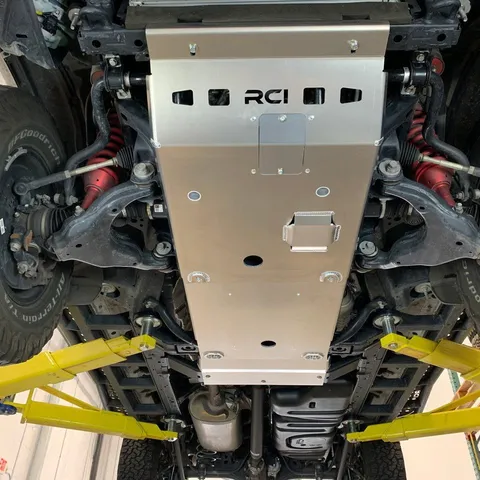
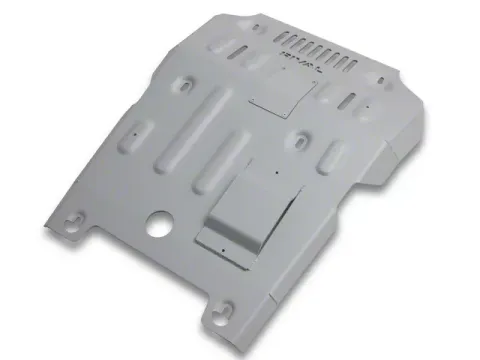
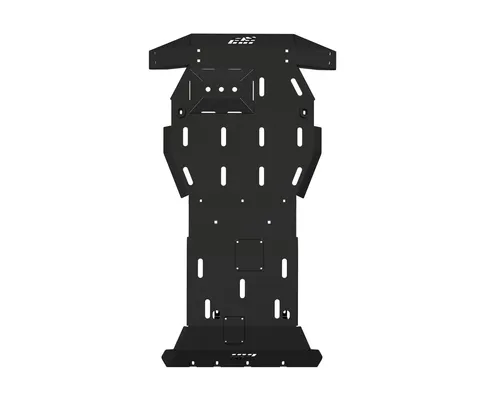
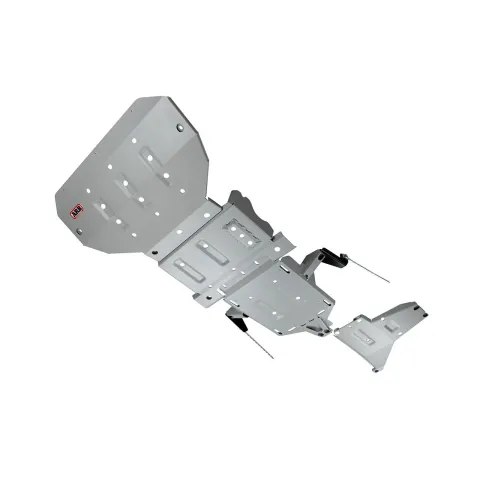
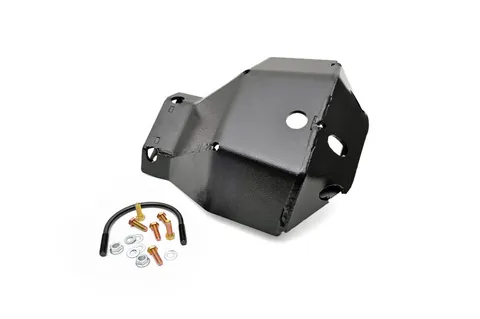
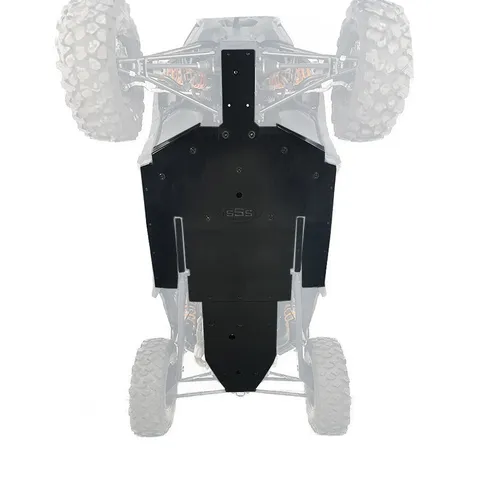
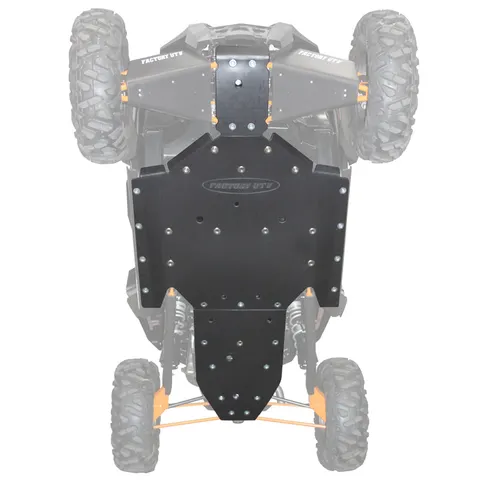
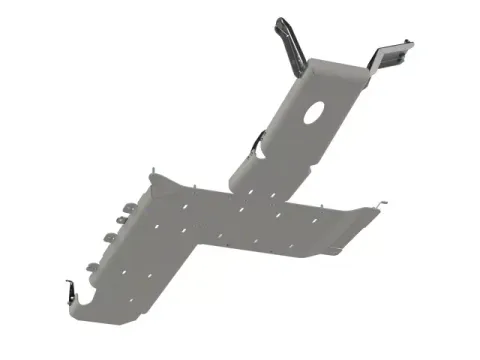
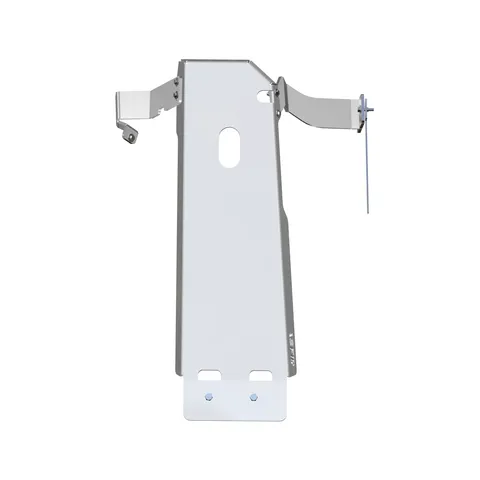
Underbody armor is the cheapest insurance you can bolt to a 4x4, UTV, or overland rig, right up until the moment a hidden rock punches a hole in your oil pan ten miles from pavement and turns a fun weekend into a recovery operation. Factory skid plates, when they exist at all, are usually thin stamped steel or plastic splash shields meant to deflect highway debris, not survive a high-centering on granite. A purpose-built aftermarket skid plate or full belly system protects the components that actually end a trip: the engine sump, transmission, transfer case, fuel tank, and front differential.
The market splits along two axes that matter more than brand loyalty. The first is material: steel (typically 3/16") is heavier but cheap, easy to weld up after a hard hit, and slides predictably over rock; aluminum (usually 1/4" 5052 or 6061) saves 40-65 lbs over an equivalent steel system and never rusts, which is why desert and overland builds lean on it; and UHMW poly, the standard in the UTV world, is slick, quiet, and shrugs off repeated impacts without denting. The second axis is coverage: a single bolt-on differential or engine plate runs well under $200, while a full belly system that closes off the entire underside from radiator to transfer case crossmember can climb past $1,500.
This guide spans that whole range deliberately. Amazon will happily sell you a $90 universal plate or a $1,400 full kit with equal enthusiasm and zero context: our job is to tell you which end of that spectrum you actually belong at, based on whether you're crawling Rubicon ledges, blasting whoops in a RZR, or just want your overlander's oil pan to survive a forest-service road.