Best OverallMid-range
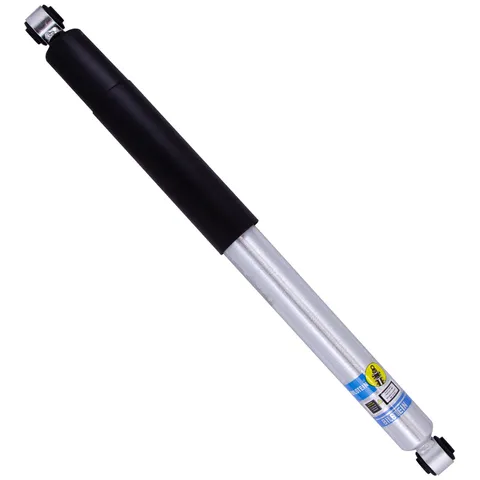
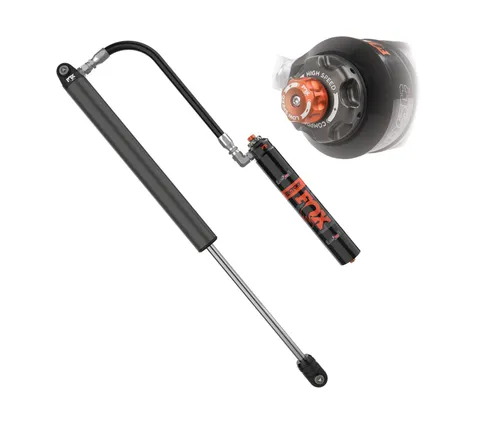
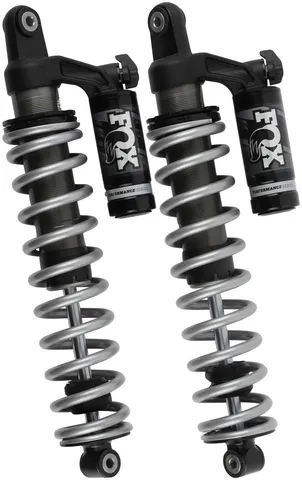
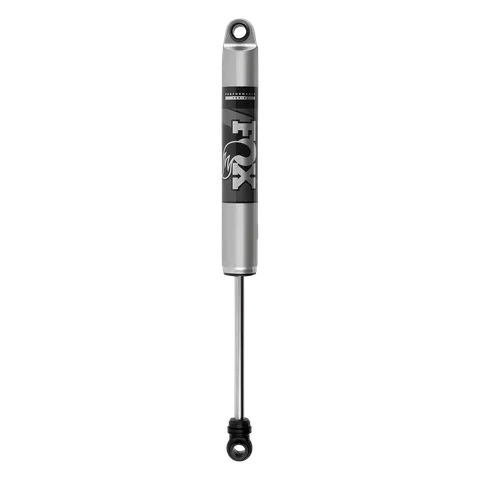
1. Fox 2.0 Performance Series IFP Smooth Body Shock
Fox
$130–$220
An aluminum-bodied monotube with genuine Fox valving at a bolt-on price, which is why it is the default upgrade for 4x4 and overland rigs that see real trail time. It rides well on pavement and stays composed off-road far longer than any OE shock.
Best for: The all-round trail and overland driver who wants Fox performance without race-shock prices
Aluminum body and IFP monotube design dissipate heat and resist fade · Broad direct-fit coverage for popular trucks and SUVs · Big ride-quality jump over factory shocks for the money
Fixed valving with no external adjustment · No reservoir, so extreme desert speed can still heat it
Sources: ridefox.com, tirerack.com, accutuneoffroad.com, amazon.com