Off-Road Parks · Vermont
Off-Road Parks in Vermont
Ride 6 parks across Vermont. Maps, hours, contact info, photos, and verified operator profiles, all in one place.
Green Mountains, the Northeast Kingdom, and Lake Champlain.
Updated
About Vermont
Best time to go
When to ride in Vermont
May through October. Peak fall color late September.
- March–May and September–November: the most comfortable riding
- Trails can be slick and rutted after heavy rain
- Summer: start early to beat heat and humidity
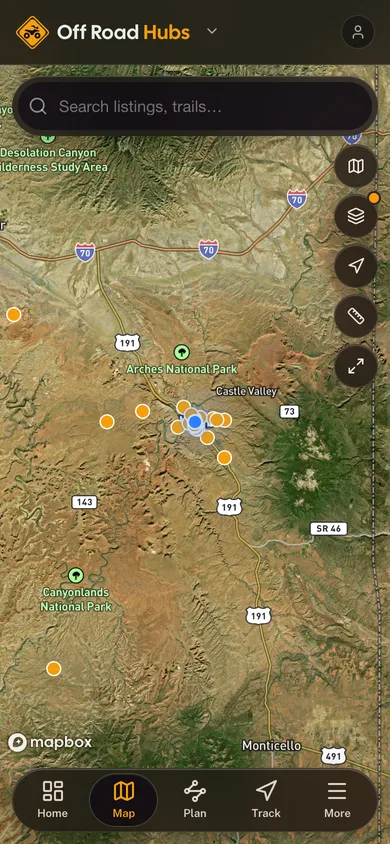
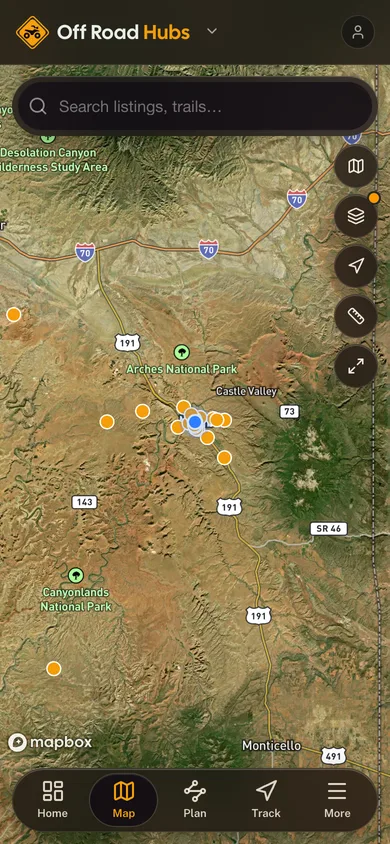
6 on the map
Tap a pin to open its profile.
Quick facts
- Trails mapped
- 124
- Parks listed
- 6
- Best season
- May through October
At a glance
Off-Road Parks in Vermont at a glance
All 6 parks listed in Vermont. Ratings and review counts are from Google.
| Park | City | Vehicles | Rating |
|---|---|---|---|
| ATV Vermont | Bridgewater | SxS / UTV | 4.4165 Google reviews |
| Green Mountain National Forest OHV Trails | Pittsfield | ATV, Dirt Bike, SxS / UTV | 4.743 Google reviews |
| Groton State Forest OHV Trails | Plainfield | ATV, Dirt Bike | 4.8275 Google reviews |
| Land Rover Experience Equinox | Manchester | 4x4 / Jeep | 4.919 Google reviews |
| Rider Hill Motocross | Derby | Dirt Bike | 4.916 Google reviews |
| Vermont ATV Sportsman's Association (VASA) | Barre | ATV, SxS / UTV | 4.013 Google reviews |
All listings
6 parks
across Vermont
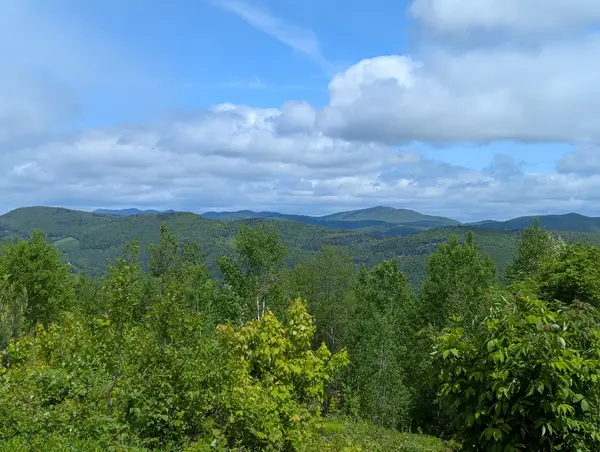
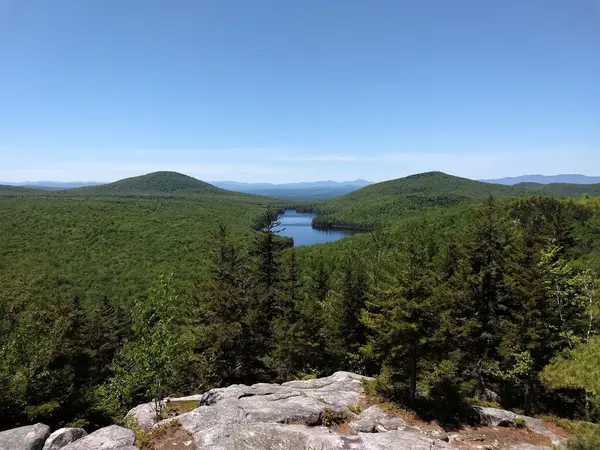
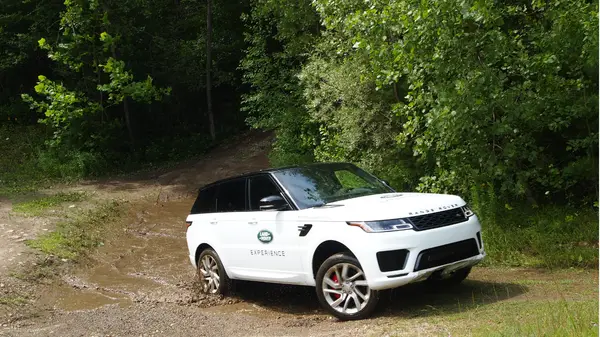
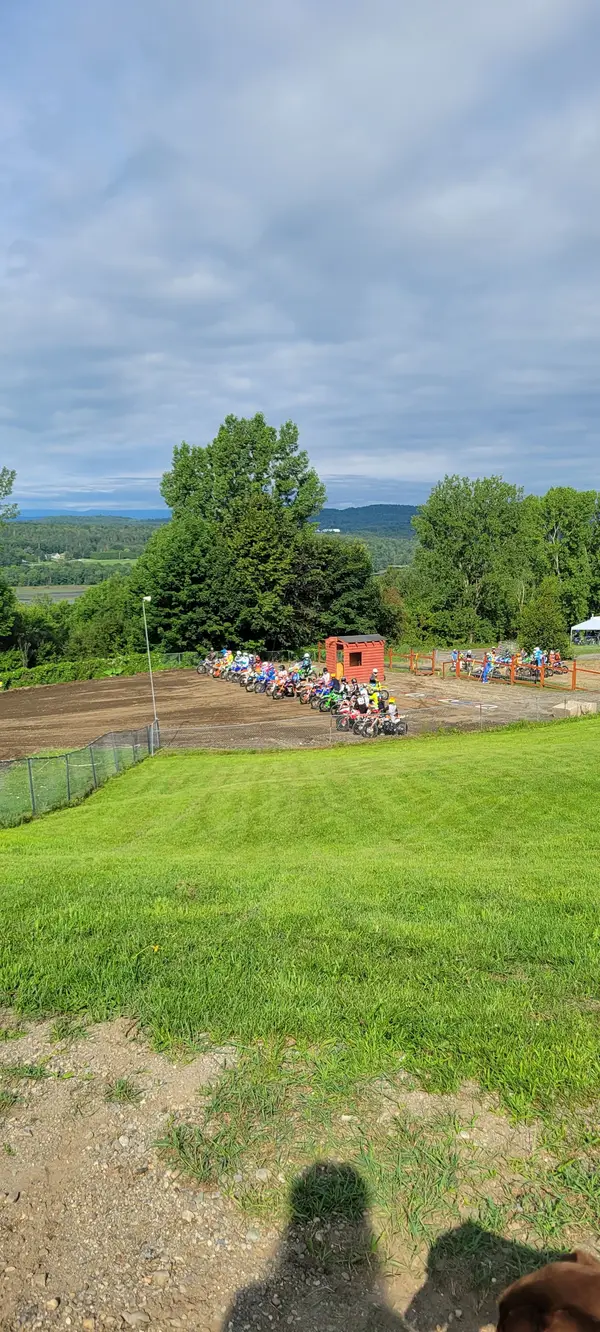
Plan your trip
Plan your trip to Vermont
OHV Registration and Trail Passes
OHVs must be registered to use Vermont's trails and public ways, but non-residents can ride on their valid out-of-state registration under the state's reciprocity policy, rather than registering again in-state. Additionally, many trail networks, especially those managed by clubs, require a specific trail pass or club membership for access.
Land Access and Trail Networks
Most off-road trails in Vermont are on private land, accessed through agreements with landowners by local OHV clubs. Respecting private property and staying on marked trails is paramount. Public land access for OHVs is very limited.
Sound and Spark Arrestor Rules
Vermont law mandates that all OHVs must be equipped with a U.S. Forest Service-approved spark arrestor. Strict noise limits are also enforced to minimize disturbance to residents and wildlife; ensure your vehicle complies.
Terrain and Seasonal Closures
Vermont's terrain often features forested paths, rocky sections, and significant mud, especially during wet periods. Trails are subject to seasonal closures, most notably during spring mud season and sometimes in winter, to prevent environmental damage.
Safety Gear Requirements
Helmets are mandatory for all OHV operators and passengers in Vermont. Other protective gear, such as eye protection, gloves, and sturdy footwear, is strongly recommended for safety on varied terrain.
Confirm current requirements with the state agency before your trip. Rules and fees change every season.
OHV Registration
All ATVs and UTVs operated on Vermont's trails or public ways must be registered with the Vermont Department of Motor Vehicles. Non-residents, though, may operate on a valid registration from their home state under Vermont's reciprocity policy, instead of registering with the Vermont DMV.
Youth Rider Education
Operators under 18 years of age must hold a valid ATV safety education certificate, issued by Vermont or another state or Canadian province with an equivalent program, unless riding on land owned or leased by their family. Minimum age requirements also apply to certain OHV types.
Spark Arrestor and Noise Limits
Every OHV operated in Vermont must be equipped with a U.S. Forest Service-approved spark arrestor that is in good working order. Additionally, vehicles must comply with state noise emission standards to reduce environmental impact and neighbor disturbance.
Helmet Use
All operators and passengers on an ATV or UTV in Vermont must wear a protective helmet, regardless of age. This is a crucial safety requirement enforced across all trail systems.
- 01
1. Research Trail Networks and Clubs
Vermont riding starts with the clubs. Find the trail systems that fit your machine and skill level, then read their access rules, most require a membership or trail pass before you turn a wheel.
- 02
2. Register Your OHV in Vermont
Register your ATV or UTV with the Vermont Department of Motor Vehicles. No exception for visitors, non-residents must register too before riding Vermont trails legally.
- 03
3. Verify Rider Qualifications and Gear
Check that everyone in your group meets the age requirements and that any riders under 16 hold the required safety certificate. Every rider needs a DOT-approved helmet, plus eye protection and solid gear.
- 04
4. Check Trail Status and Conditions
Vermont trails open and close with the weather. Confirm current conditions and seasonal dates before you drive, mud-season closures in spring are the norm, and storms can shut sections without much notice.
- 05
5. Plan Your Route and Inform Others
Study the maps, match the route to your ability, and tell someone where you're going and when you'll be back. In the more remote corners of the state, that itinerary is your backup plan.
01How many off-road parks are in Vermont?
02Are there many public OHV trails in Vermont?
03Do I need a special license to operate an OHV in Vermont?
04What kind of terrain can I expect on Vermont's OHV trails?
05Are helmets required for OHV riding in Vermont?
06When is the best time of year to go off-roading in Vermont?
07Are there noise restrictions for OHVs in Vermont?
Free tools
Your free outdoor toolkit

Everything Map
Listings, trails, spots, clubs and public land on a single full-screen map. Switch layers on and off, then tap any point for the details.
Open Everything MapTrail Explorer
Browse a community map of named trails with distance, difficulty, and where each one starts.
Open Trail ExplorerDaily Ride
Every day picks a real place from the map and turns it into a quick 3D time trial. Real geometry, real conditions, same course for everyone.
Open Daily RideRoute Planner
Drop stops on a map and watch distance and drive time add up. Export a GPX or share the link.
Open Route PlannerOff-Road Clubs
Browse local clubs with meeting info and how to join, or start your own for free.
Open Off-Road ClubsGear Checklists
Printable, save-as-you-go packing lists. Tick items off and pull them up on your phone.
Open Gear Checklists

Keep exploring