Off-Road Parks · Arkansas
Off-Road Parks in Arkansas
Ride 21 parks across Arkansas. Maps, hours, contact info, photos, and verified operator profiles, all in one place.
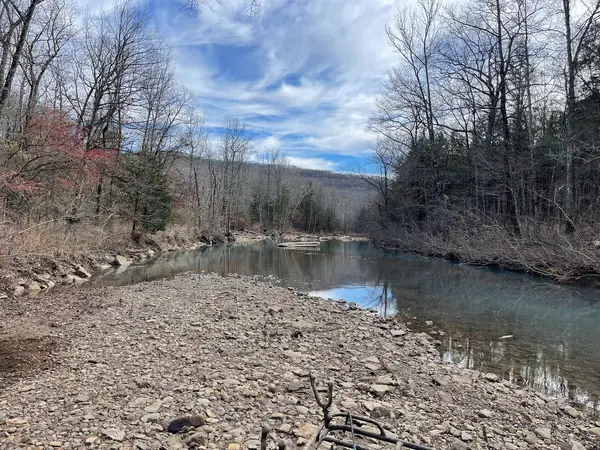
Ozark hardwoods, Ouachita mountains, and the Buffalo National River.
About Arkansas
Best time to go
When to ride in Arkansas
March through November. Fall color peaks late October.
- March–May and September–November: the most comfortable riding
- Trails can be slick and rutted after heavy rain
- Summer: start early to beat heat and humidity
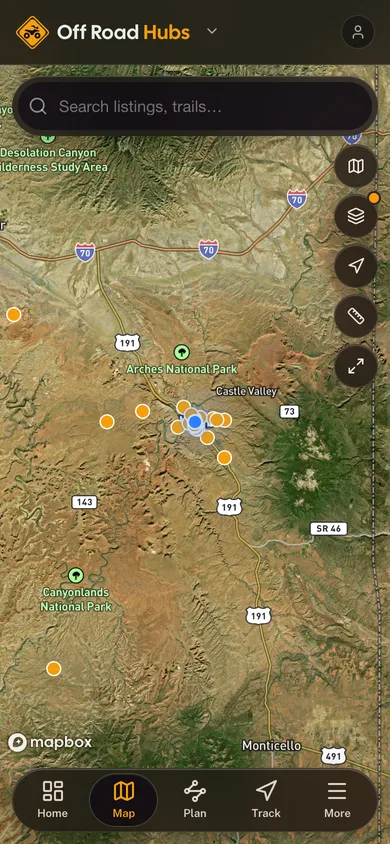
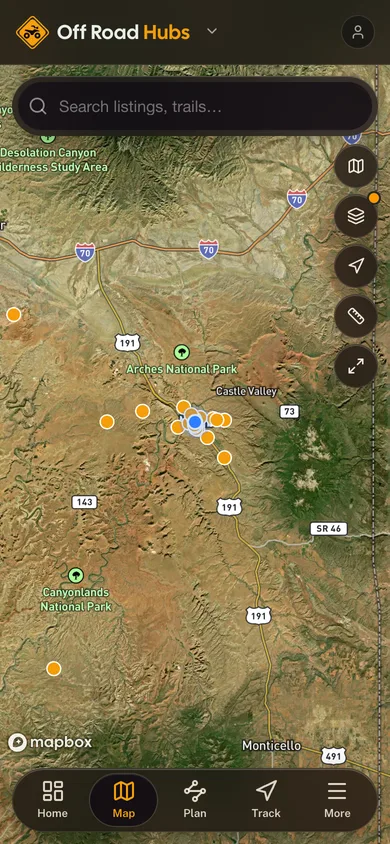
21 on the map
Tap a pin to open its profile.
Quick facts
- Trails mapped
- 113
- Parks listed
- 21
- Best season
- March through November
All listings
21 parks
across Arkansas
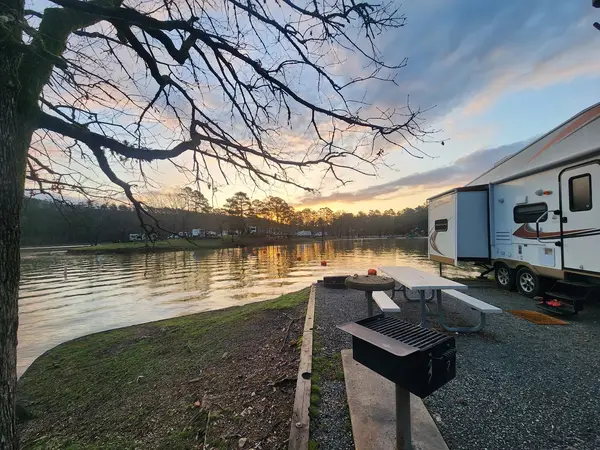

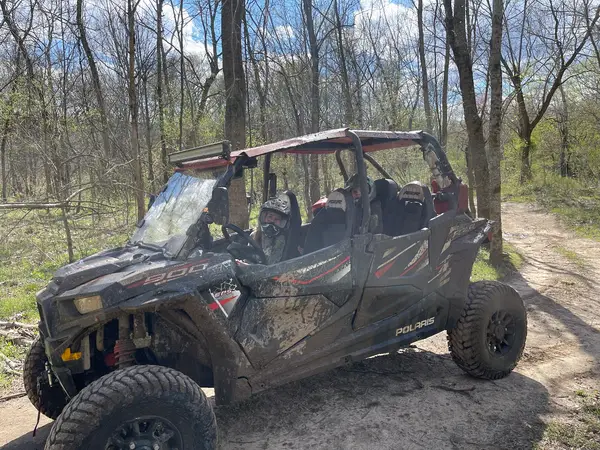
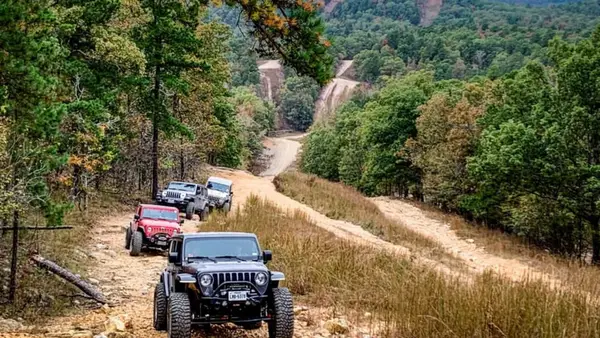
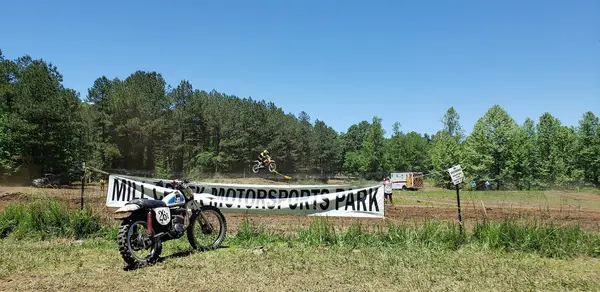



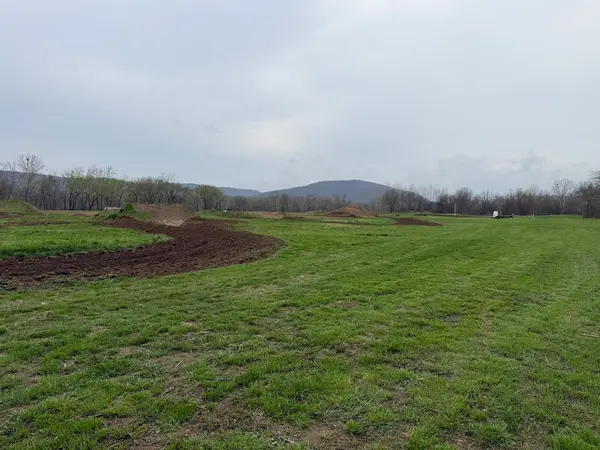
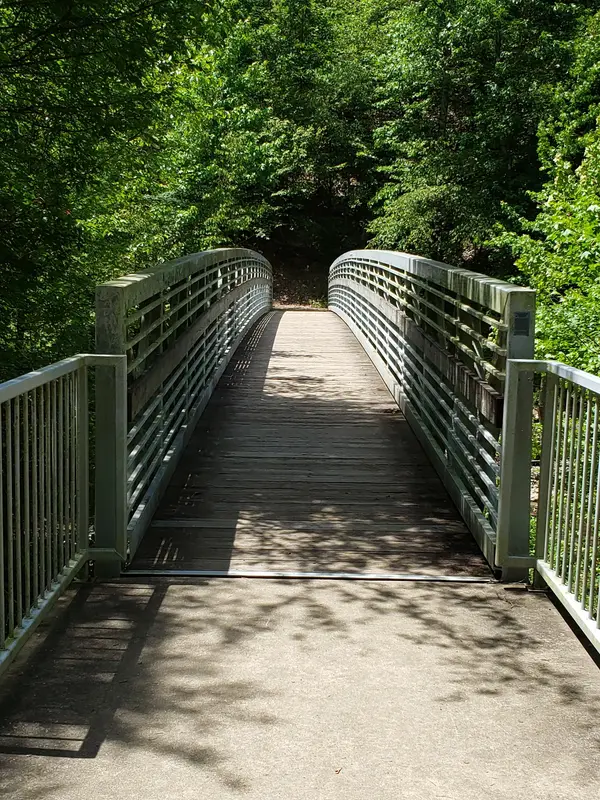
Plan your trip
Plan your trip to Arkansas
OHV Registration and Trail Passes
Most designated OHV trails in Arkansas, particularly those on public lands like National Forests, require an OHV registration or a specific trail pass. Verify requirements with the land manager or park operator before your visit.
Public vs. Private Land Access
Off-road riding is permitted on designated trails within National Forests and state parks, as well as numerous private OHV parks. Riding on undesignated routes or private property without permission is illegal and strictly enforced.
Sound and Spark Arrestor Rules
All off-highway vehicles operating on public lands or in permitted parks must be equipped with a U.S. Forest Service-approved spark arrestor. Sound limits may also apply, so ensure your exhaust system meets local requirements.
Diverse Terrain Considerations
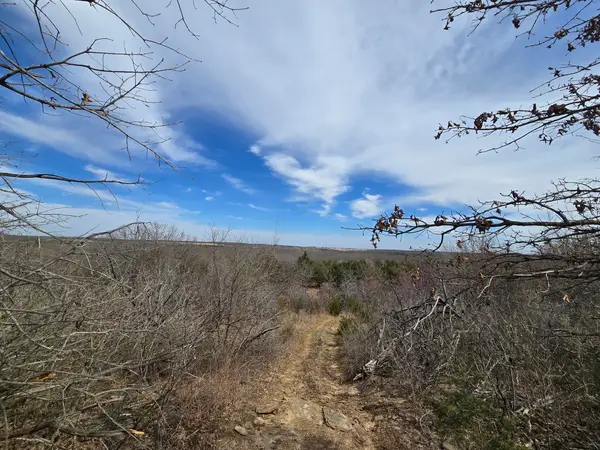
Arkansas offers a mix of terrain, from rocky climbs in the Ozarks and Ouachitas to dirt and mud trails, especially after rain. Be prepared for varied conditions and choose trails appropriate for your vehicle and skill level.
Seasonal Trail Closures
Trails may experience seasonal closures due to extreme weather, such as heavy snow, prolonged rain causing excessive mud, or fire restrictions during dry periods. Always check the status of trails before heading out.
Confirm current requirements with the state agency before your trip. Rules and fees change every season.
OHV Registration
Arkansas requires every ATV to be registered with the Department of Finance and Administration (DFA) within 30 days of purchase, and to display the decal. It is a one-time registration with no annual renewal; complete it at your local revenue office. Individual parks may add their own trail passes or fees.
Arkansas Department of Finance and AdministrationHelmet Requirements
Arkansas has no statewide helmet law for ATV or dirt-bike riders; none is required at any age under state statute. Helmets are strongly recommended regardless, and many managed trail systems and WMAs require one as a condition of entry.
Arkansas Department of Finance and AdministrationSpark Arrestor and Sound Limits
All OHVs must be equipped with an approved spark arrestor to prevent wildfires. Additionally, many public areas enforce sound level limits to minimize disturbance to wildlife and other recreationists. Verify specific limits with the managing agency.
Age and Supervision Restrictions
In Arkansas, a person under 12 may not operate an ATV unless directly supervised by an adult 18 or older, on land owned or controlled by a parent or legal guardian, or on private land with the owner's permission. Some areas may also require completion of an OHV safety course for younger riders. Verify specific age requirements with the state agency.
- 01
1. Research Designated OHV Parks and Trails
Pick your ground first: Ozark rock, Ouachita clay, or a private park built for your machine. Official websites and trail guides carry the maps and honest descriptions; use them to match the trail to your skill level.
- 02
2. Verify OHV Registration and Permit Requirements
Sort out which registration, trail pass, or permit your route requires, pay the fees, and get the decals on the machine before you arrive. Rangers check, and the trailhead is a bad place to find out you're not legal.
- 03
3. Inspect and Prepare Your Vehicle
Tires, brakes, fluids, and a U.S. Forest Service-approved spark arrestor, go through the whole machine before the trip, and pack the tools and spares to handle what the rocks do to it.
- 04
4. Pack Safety Gear and Essentials
Helmet, goggles, gloves, real boots. Then the kit: first-aid, plenty of water, navigation, and recovery gear matched to the terrain, a winch means nothing if the strap stayed in the garage.
- 05
5. Understand and Follow Trail Rules
Every area has its own rulebook, read it. Stay on marked trails, respect property lines, keep your speed reasonable, and leave the place the way you found it. That's what keeps Arkansas trails open.
01Are helmets required for off-road riding in Arkansas?
02Can I ride my OHV on public roads in Arkansas?
03What types of terrain can I expect on Arkansas off-road trails?
04Are there beginner-friendly off-road trails in Arkansas?
05What is the best time of year to go off-roading in Arkansas?
06Do I need a special permit or license to ride an OHV in Arkansas?
Free tools
Your free outdoor toolkit

Everything Map
Listings, trails, spots, clubs and public land on a single full-screen map. Switch layers on and off, then tap any point for the details.
Open Everything MapTrail Explorer
Browse a community map of named trails with distance, difficulty, and where each one starts.
Open Trail ExplorerRoute Planner
Drop stops on a map and watch distance and drive time add up. Export a GPX or share the link.
Open Route PlannerOff-Road Clubs
Browse local clubs with meeting info and how to join, or start your own for free.
Open Off-Road ClubsGear Checklists
Printable, save-as-you-go packing lists. Tick items off and pull them up on your phone.
Open Gear ChecklistsMaintenance Schedules
Pick your machine and get its full service schedule. Add your hours to turn intervals into dates.
Open Maintenance Schedules


Keep exploring